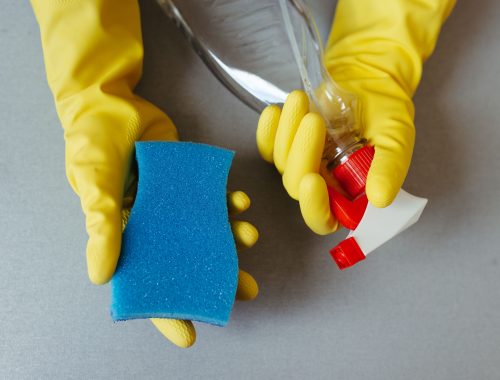
Clean car trim by washing it first with a wash mitt and car soap, agitating faded areas with a medium bristle brush and cleaning spray in small sections, wiping away loosened grime with a separate damp towel, and drying completely before applying a trim restorer. Unprotected exterior plastic trim can lose up to 70-80% of its original pigmentation within just 2-3 years of sun exposure — a genuinely fast fade that makes proactive cleaning and restoration worth doing before trim looks visibly gray and chalky.
Here’s the full cleaning and restoration process, why trim fades so quickly in the first place, and how to make restoration actually last.
Key Takeaways
- Fading happens through photo-oxidation, primarily affecting polyethylene and polypropylene plastics under UV exposure.
- Unprotected trim can lose 70-80% of its pigmentation in just 2-3 years — faster than most owners expect.
- Trim restorers penetrate the plastic rather than just coating the surface, restoring black finish from within.
- A quality restorer application lasts 3-6 months depending on sun exposure and wash frequency.
Why Trim Fades So Fast
Fading occurs through photo-oxidation, a process that primarily affects polymers susceptible to UV degradation like polyethylene and polypropylene — the common plastics used in most automotive trim (Dr. Beasley’s). Unprotected exterior trim can lose up to 70-80% of its original pigmentation within just 2-3 years of sun exposure, which explains why trim that looked deep black when a car was new often turns visibly gray and chalky well before the rest of the vehicle shows comparable wear.
The Fading Timeline
The Cleaning and Restoration Process

Start with a full exterior wash using a wash mitt and car soap, then rinse and dry thoroughly with a microfiber towel before addressing the trim specifically. For severely neglected and faded trim, agitate the surface with a medium bristle brush and a quality cleaning spray, working in small sections and agitating textured trim gently to avoid scratching (Chemical Guys). Use a separate damp towel to lift away cleaner and loosened grime before it dries back onto the surface, then let the trim dry completely before applying any restorer — restorer applied over residual moisture won’t bond or perform correctly.
Applying a Trim Restorer
Trim restorers are specifically formulated to penetrate the plastic itself and restore its black finish from within, rather than just sitting as a surface coating that wipes or wears off quickly (Stoner Car Care). Apply the restorer using a microfiber applicator, let it sit for the product’s recommended dwell time, then buff off any excess with a clean microfiber cloth. Many quality restorers also include UV-blocking properties, providing genuine protection against future fading rather than just cosmetically hiding existing damage.
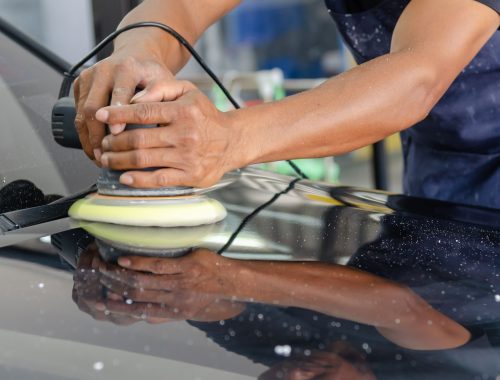
If you’re addressing trim as part of a broader detailing session, our guide on polishing a car covers the paint correction steps that pair well with a full trim restoration, and our guide on how often to wax your car covers the paint protection schedule worth coordinating alongside trim maintenance.
The Heat Gun Method: A Temporary Fix
A heat gun can temporarily restore faded plastic by bringing natural oils back to the surface, but this method requires real caution — excessive heat can warp or otherwise damage the trim, and the result is genuinely temporary compared to a proper penetrating restorer treatment. It’s a reasonable emergency fix if you need trim to look presentable immediately, but not a substitute for a real restoration product if you want lasting results.
Maintaining the Results
A quality penetrating restorer typically lasts three to six months per application, depending on sun exposure and washing frequency, so regular reapplication is genuinely part of the maintenance routine rather than a one-time fix (Motorist Care). Vehicles parked outdoors in intense sun will need more frequent reapplication than garage-kept cars, and washing with harsh degreasers can strip restorer product faster than gentle car-specific soap.
Frequently Asked Questions
Can severely faded trim be fully restored to its original color?
In most cases, yes — a quality penetrating restorer can bring even significantly faded trim back to a deep black finish, though extremely degraded or physically damaged plastic may show some limitations even with the best products.
Is interior trim restoration different from exterior?
The core process is similar, but interior trim faces less UV exposure and more concerns about product residue transferring to clothing or leaving a greasy feel, so interior-specific restorer formulas are generally preferred over exterior-focused products.
Do all trim restorer products work the same way?
No — some are simple surface dressings that wear off within days, while genuine penetrating restorers bond more durably and often include UV protection; reading product descriptions carefully helps avoid buying a short-lived cosmetic fix.
Can I use regular car wax on plastic trim?
Generally not recommended — standard car wax is formulated for painted surfaces and can leave a white, chalky residue on textured black plastic trim rather than the deep, restored look a dedicated trim product provides.
The Bottom Line
Cleaning and restoring car trim comes down to a thorough wash, targeted agitation with a brush and cleaner for faded areas, complete drying, and a penetrating restorer applied with a microfiber applicator. Given that unprotected trim can lose 70-80% of its color within 2-3 years, proactive restoration every few months keeps trim looking genuinely new rather than letting it fade to gray before you address it.
Dealing with trim damage beyond fading, like cracks or physical wear? Contact San Diego Bumper and Collision for an assessment.