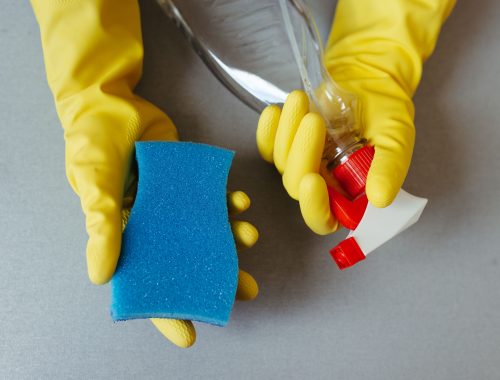
Clean mud, chocolate, and candy from your seats by first brushing off or vacuuming loose debris, then matching the method to the specific mess. For melted chocolate, chill it first with an ice pack in a bag to harden the fats before scraping with a plastic scraper or spoon; for dried chocolate, scrape gently from the outer edges inward with a butter knife. For mud, spray an all-purpose cleaner after removing loose debris. For candy, mix a mild dish soap solution, sponge the stain, then sponge again with clear water and blot dry.
Here’s the method for each specific mess, why cold matters more than heat for chocolate, and the general habits that make all three easier to deal with.
Key Takeaways
- Remove loose debris before applying any product — brushing or vacuuming first prevents grinding dirt deeper into the fabric.
- Chill melted chocolate before scraping — cold hardens fats and oils, making removal cleaner than working with a still-warm, smeared mess.
- Avoid hot water on chocolate stains — heat sets cocoa butter oils deeper into fabric rather than lifting them out.
- Always test cleaning products on a hidden area first — this catches any discoloration risk before it happens somewhere visible.
Matching Method to Mess Type
Getting the First Step Right
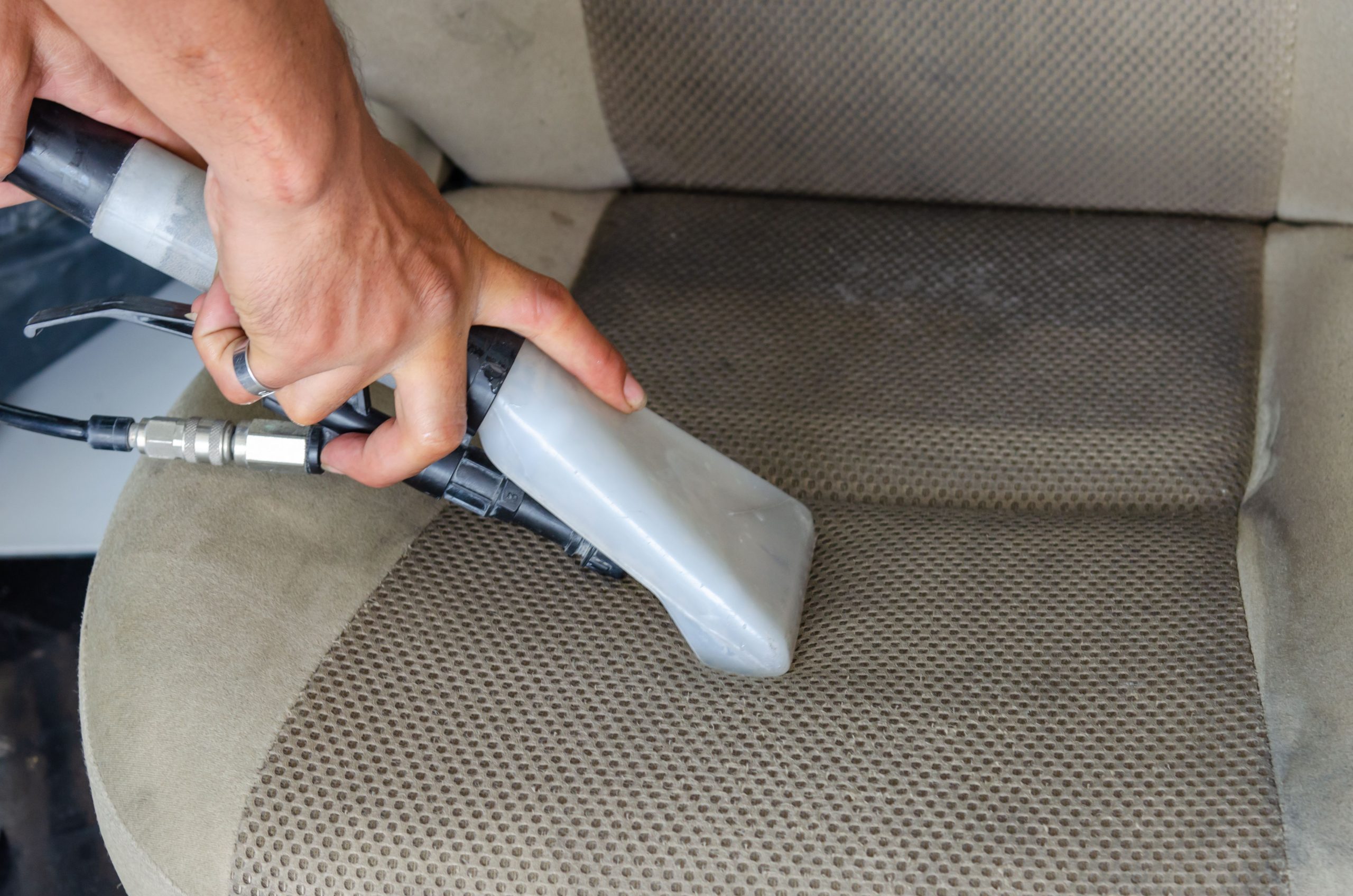
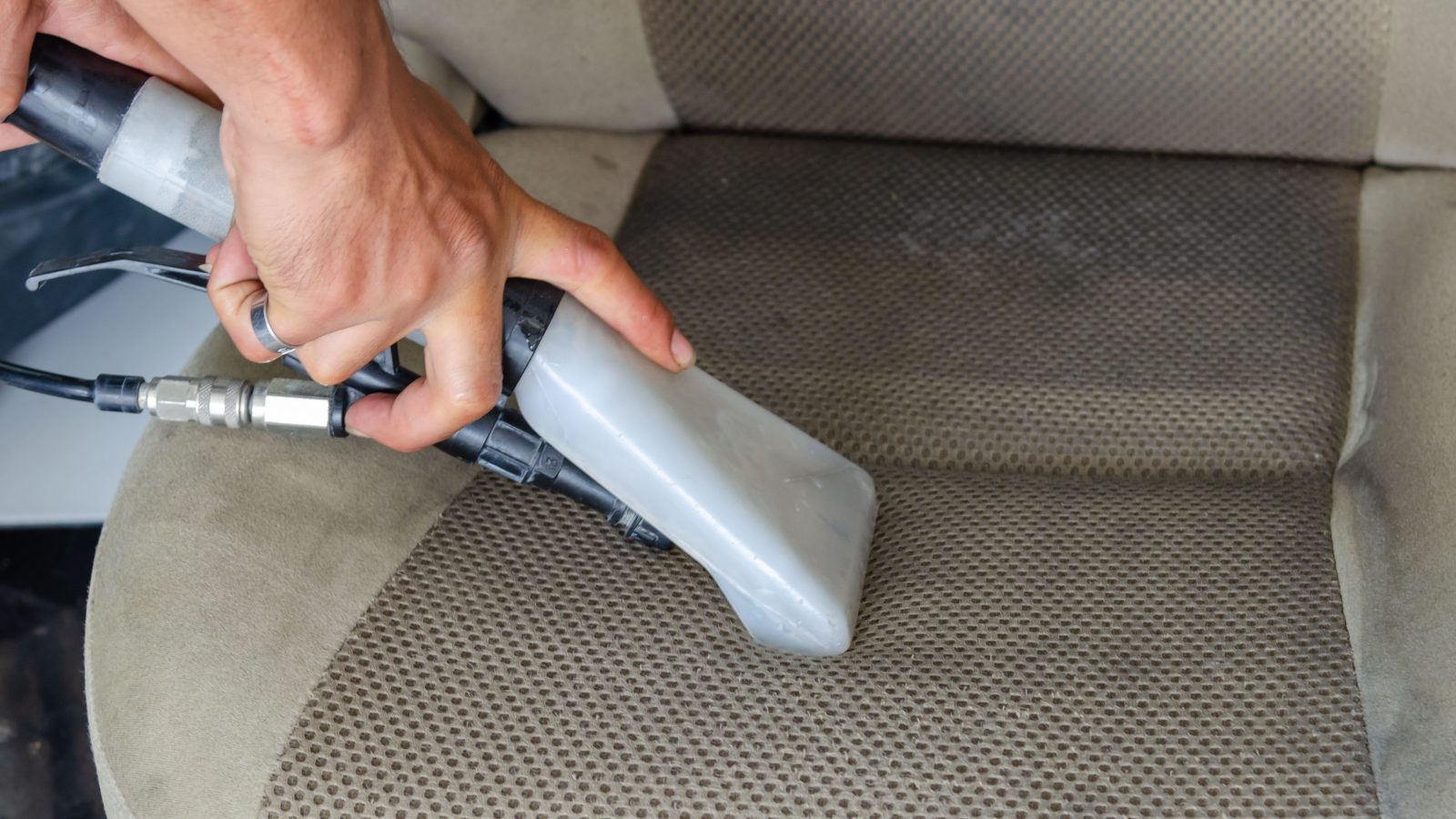
Start by brushing off loose debris with a dry microfiber towel, and use a vacuum to suck up dirt and food bits, or pick up and brush off the mess by hand if a vacuum isn’t available (Chemical Guys). This step matters regardless of which specific stain you’re dealing with, since applying any wet cleaner over loose debris just grinds it deeper into the fabric weave rather than lifting it away.
Chocolate: Melted vs. Dried
If chocolate hasn’t solidified naturally, place ice cubes in a resealable bag over the stain for several minutes to help the fats and oils harden and reduce spreading, then use a plastic scraper, credit card, or spoon to carefully lift as much as possible once it’s firm (Stain Removal Guides). For chocolate that’s already dried, use a butter knife to gently scrape it away, working from the outer edges toward the center to prevent spreading — pressing down forces cocoa butter deeper into the seat’s weave, which is exactly what you want to avoid. Once the solid chocolate is removed, mix mild dish soap with cold water, since heat can set remaining chocolate oils deeper into fabric rather than lifting them. Dab the stain with a soft cloth, working roughly one teaspoon of dish soap mixed with two cups of cool water into the residue.
Mud and Candy
For mud, once loose debris is removed, grab an all-purpose cleaner and give the affected area a generous spray, letting it work before wiping clean — mud generally responds well to straightforward cleaner application once the bulk of the dried dirt is already gone. For candy, mix half a teaspoon of white dishwashing detergent into a cup of water, sponge the stain until the soil lifts, then sponge again with clear water and blot thoroughly to remove any leftover soap residue that could otherwise attract more dirt over time. If a candy or chocolate stain has left lasting discoloration on fabric seats, our guide on cleaning car carpets and upholstery covers deeper extraction methods for stains that resist a normal spot-clean.
Prevention Habits Worth Building
Clean up spills as soon as you notice them, and vacuum and wipe down interiors regularly to stay ahead of buildup rather than facing a bigger job later. Always test any cleaning product on a hidden area of the seat first to check for adverse reactions before treating a visible section — this single habit prevents a cleaning attempt from turning into a bigger, more visible problem.
Frequently Asked Questions
Does leather need a different approach than fabric for these same stains?
Yes — leather generally tolerates less moisture and no dish soap, needing a dedicated leather cleaner instead; our guide on cleaning and protecting leather car seats covers the material-appropriate approach.
Can these stains be prevented with a seat protectant?
Yes — a fabric protectant makes future spills and messes bead up rather than soak in immediately, giving you a wider window to clean before a stain sets, similar to how carpet protectant works.
Is a magic eraser safe for these types of stains?
Generally not recommended on car seat fabric — magic erasers are mildly abrasive and can wear down or discolor certain upholstery textures over repeated use, making a gentler dish soap solution the safer default.
How long can a chocolate or candy stain sit before it becomes permanent?
It varies by fabric type and sun exposure, but stains that sit for days rather than hours become noticeably harder to fully remove, which is why prompt cleanup consistently outperforms delayed treatment.
The Bottom Line
Cleaning mud, chocolate, and candy from car seats comes down to removing loose debris first, then matching the treatment to the specific mess — chilling and scraping for chocolate, straightforward cleaner spray for mud, and a gentle dish soap solution for candy. Prompt action and a hidden-area product test are what separate a clean result from a lasting stain.
Dealing with a stubborn stain that won’t come out? Contact San Diego Bumper and Collision for professional interior cleaning.