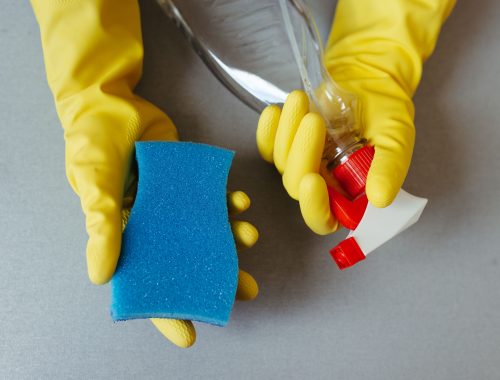
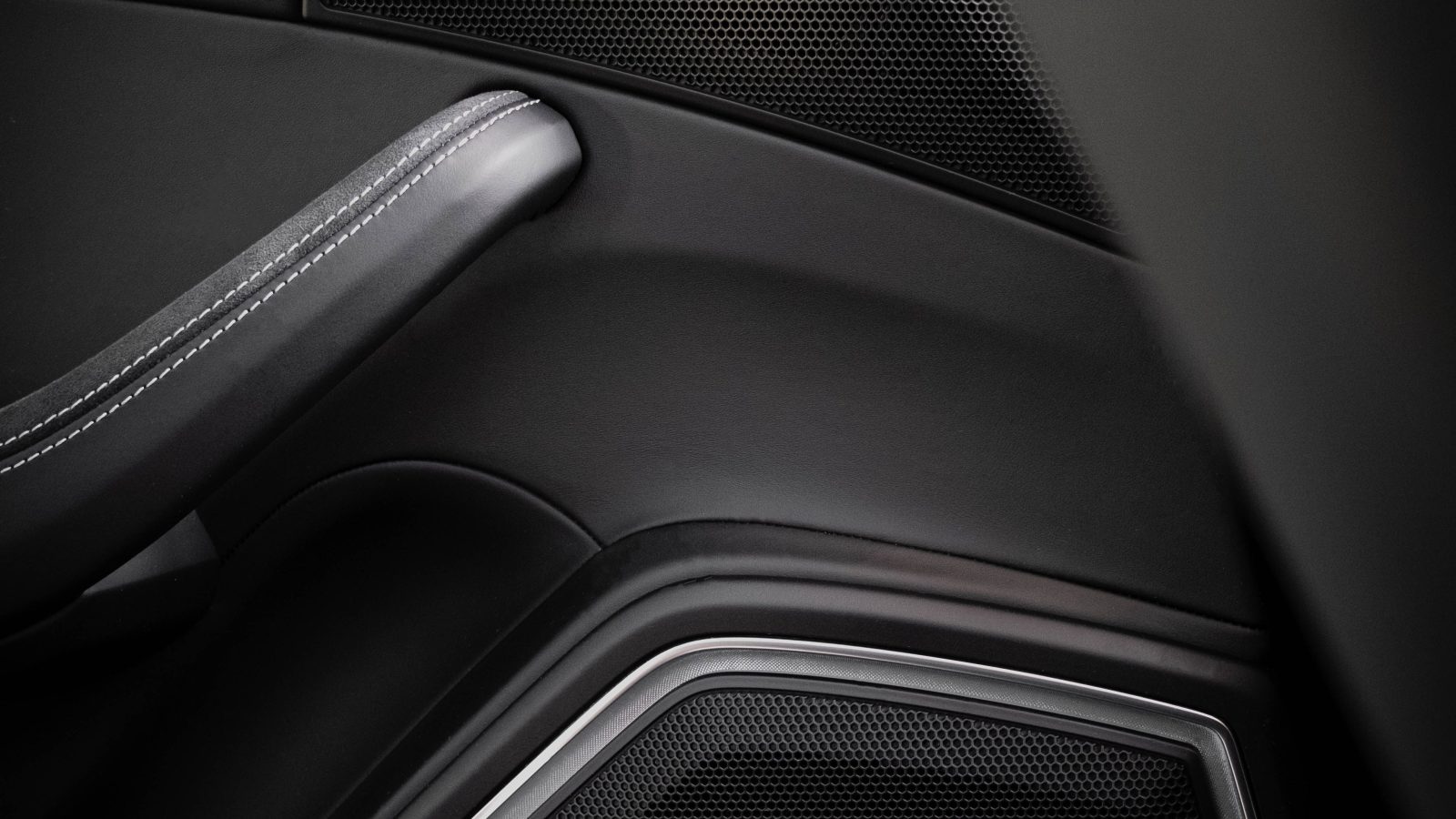
Clean plastic car door panels by removing loose debris with a soft brush or microfiber cloth first, then applying a mild all-purpose or plastic-specific cleaner to a damp cloth — never directly onto the panel — and gently scrubbing the surface. Avoid harsh solvents and household cleaners, which can strip the panel’s natural finish and cause discoloration. Clean switches and buttons with a cleaner-dipped swab or Q-tip worked gently around the crevices, and clear speaker grilles with compressed air and a soft brush rather than liquid, which risks damaging the speaker underneath.
Here’s the panel-wide cleaning process, the component-specific techniques switches and speakers actually need, and why spraying onto the cloth instead of the panel matters more here than almost anywhere else in the car.
Key Takeaways
- Spray cleaner onto the cloth, never the panel directly — this prevents liquid from seeping into window switches or door locks.
- Switches and buttons need a Q-tip, not a cloth — cotton swabs reach crevices a cloth simply can’t clean effectively.
- Speaker grilles need compressed air, not liquid — moisture near speaker components risks damaging the electronics underneath.
- Avoid excess water pooling in seams around handles, armrests, and grilles, where trapped moisture causes lasting problems.
Matching Tool to Component
Cleaning the Panel Surface
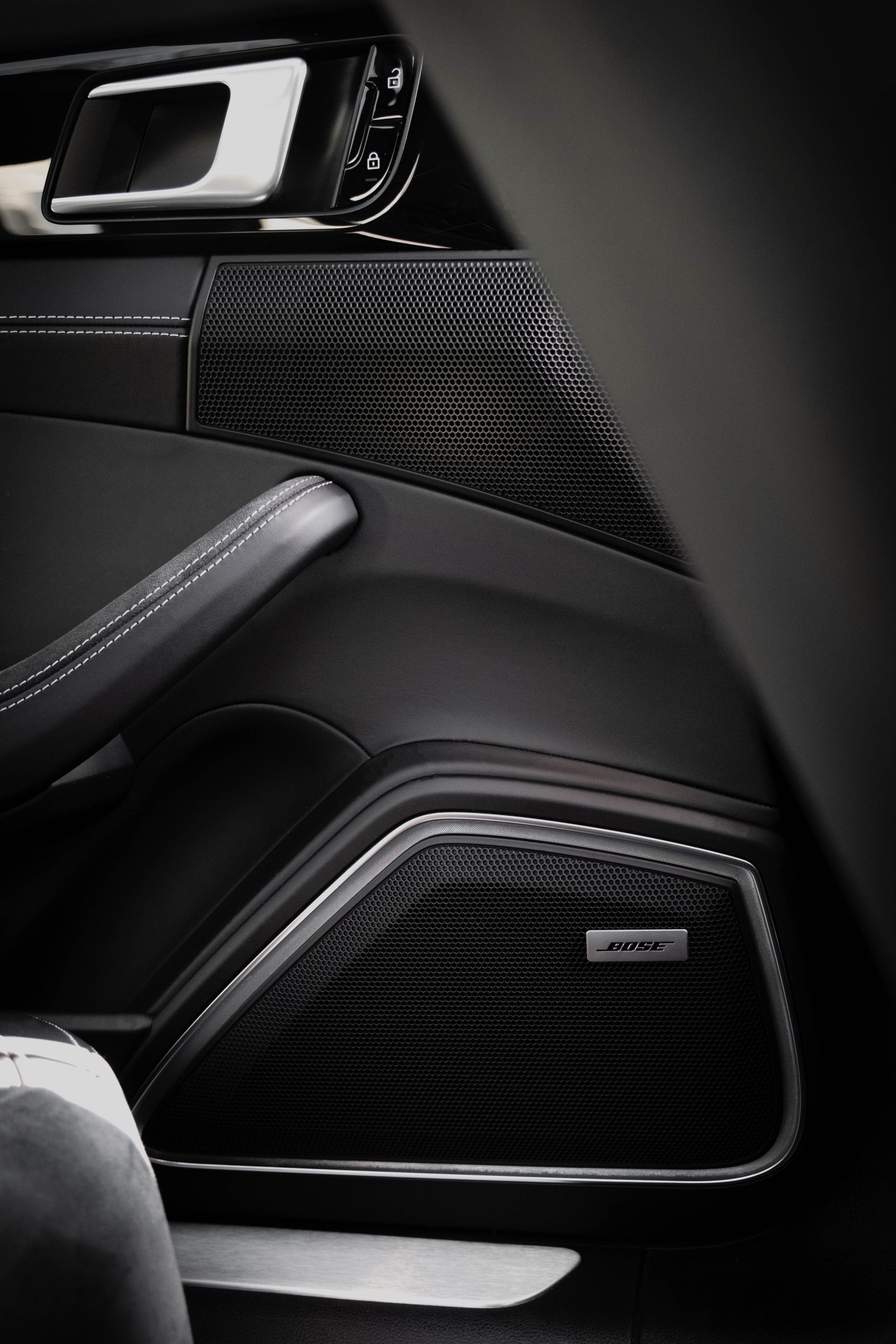
Start by removing loose debris with a soft brush or microfiber cloth, then use a mild all-purpose cleaner or specialized plastic cleaner, applying it to a damp cloth and gently scrubbing the surface (Chemical Guys). Always spray the cleaner onto the microfiber cloth rather than directly onto the panel, which prevents liquid from seeping into electronic window switches or door locks — this single habit is arguably more important on door panels than anywhere else in the interior, given how many electronic components sit just behind the plastic surface. Start at the top of the panel and work down using overlapping strokes, paying special attention to areas where water tends to accumulate, like around handles, armrests, and speaker grilles, gently pressing the cloth into grooves to wick away hidden moisture.
Cleaning Switches, Buttons, and Speaker Grilles
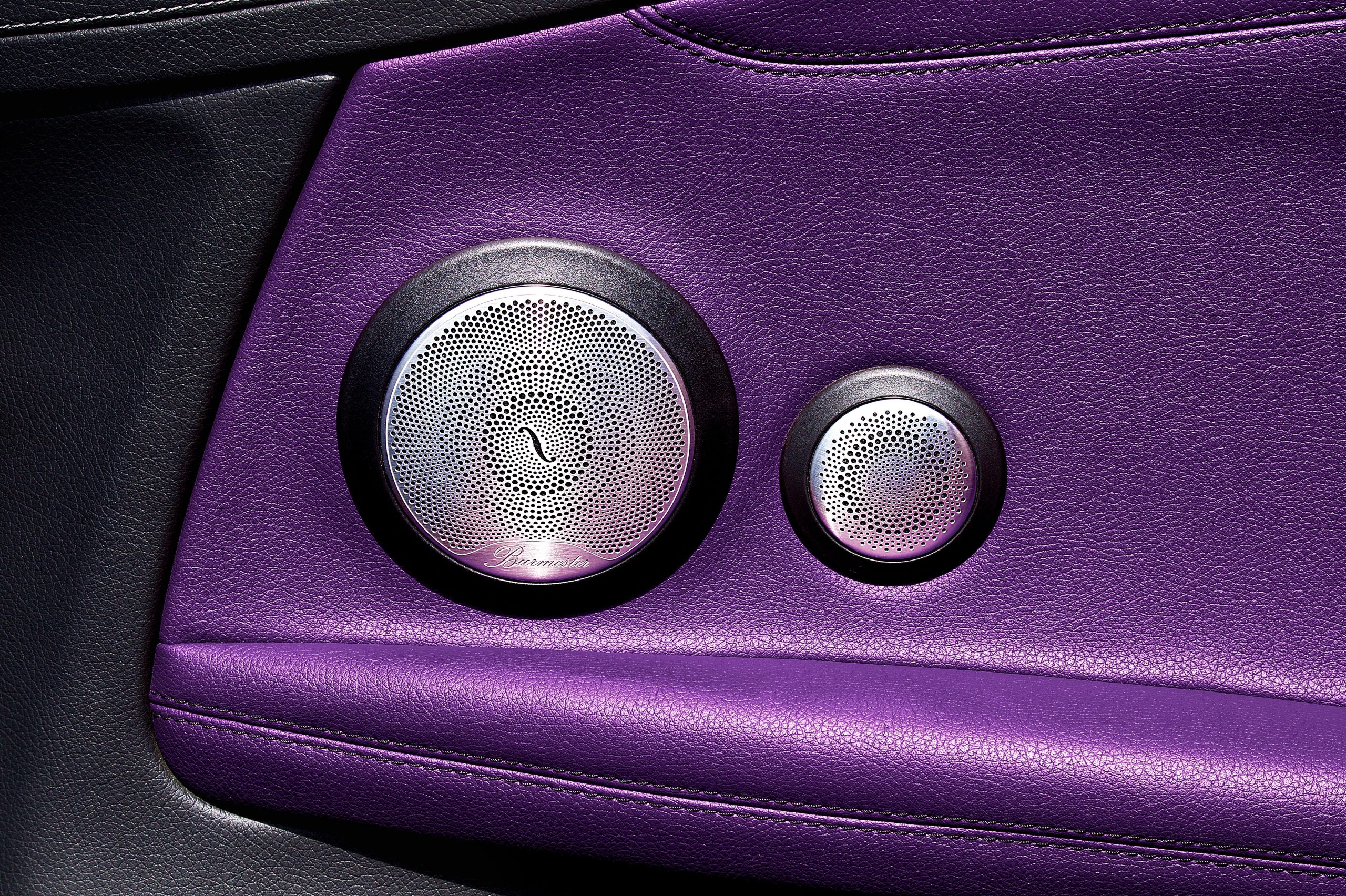
Use a cleaner-dipped swab or Q-tip to clean around buttons and crevices gently — the small tip reaches into tight spaces that a cloth simply can’t access effectively, without introducing excess liquid near the electrical contacts underneath. For speaker grilles specifically, use a can of compressed air along with a soft brush to remove dust and debris, avoiding liquid entirely near this component, since moisture reaching the actual speaker cone or electronics risks lasting damage rather than just a cosmetic issue. If your door panels have textured or matte plastic trim that’s faded alongside the general grime, our guide on making car trim shine covers restoration options for that specific problem.
Finishing and Protecting
Wipe the panels dry with a clean cloth once cleaning is complete, and consider applying a plastic protectant to restore shine and guard against future dirt buildup. Avoiding excess water throughout the entire process — sticking with spray-on cleaners and microfiber towels rather than a soaked rag — is what keeps moisture from pooling in seams and causing the kind of lasting problems that are much harder to fix than routine surface dirt.
Frequently Asked Questions
Can the same cleaner used on door panels be used on the dashboard?
Often yes, if it’s a general interior plastic cleaner, though checking product labeling for surface compatibility is worth doing since some formulas are optimized specifically for one texture or finish over another.
How often should door panels realistically be cleaned?
Every few weeks alongside general interior cleaning is reasonable for most vehicles, with more frequent attention for cars with young passengers or frequent food and drink contact near the panels.
Is it safe to remove a door panel entirely for a deeper clean?
It’s possible but generally not necessary for routine cleaning, and removing panels risks damaging clips or disconnecting wiring if you’re not experienced with your specific vehicle’s door panel assembly.
Do leather-wrapped door panel inserts need different care than plastic?
Yes — leather inserts need a dedicated leather cleaner rather than the plastic-safe product used on the surrounding panel, since the two materials have genuinely different care requirements.
The Bottom Line
Cleaning plastic car door panels comes down to spraying cleaner onto the cloth rather than the panel, using a Q-tip for switches and compressed air for speaker grilles, and avoiding excess water that can pool in seams. Matching the tool to each component protects the electronics hidden just behind the plastic surface while still getting a genuinely clean result.
Want your entire interior professionally detailed, door panels included? Contact San Diego Bumper and Collision for a quote.