Clean your classic car by using a standard garden hose with a low-pressure nozzle rather than a pressure washer — high pressure can damage delicate vintage paint, strip wax, or force water into seals and electrical components that weren’t built to modern sealing standards. Wash chrome trim with soap and water using a gentle sponge or microfiber cloth, apply a dedicated chrome cleaner with a soft-bristle brush to break down oxidation and tarnish, then finish with a traditional carnauba wax for the deeper, warmer glow that suits older single-stage paint.
Here’s why classic cars need a genuinely different washing approach than modern vehicles, the chrome restoration process, and how often waxing needs to happen to protect against pitting.
Key Takeaways
- Never use a pressure washer on a classic car — high pressure can strip wax, damage delicate paint, and force water into aging seals.
- Chrome trim needs a dedicated cleaner and soft-bristle brush — harsh abrasives or acidic cleaners can scratch decades-old chrome.
- Traditional carnauba wax suits vintage single-stage paint better than modern synthetic sealants, giving a deeper, warmer glow.
- Wax every three months, more often in harsh weather, to block moisture and prevent chrome pitting.
Why Classic Cars Need Different Care
Washing Without Damaging Vintage Paint
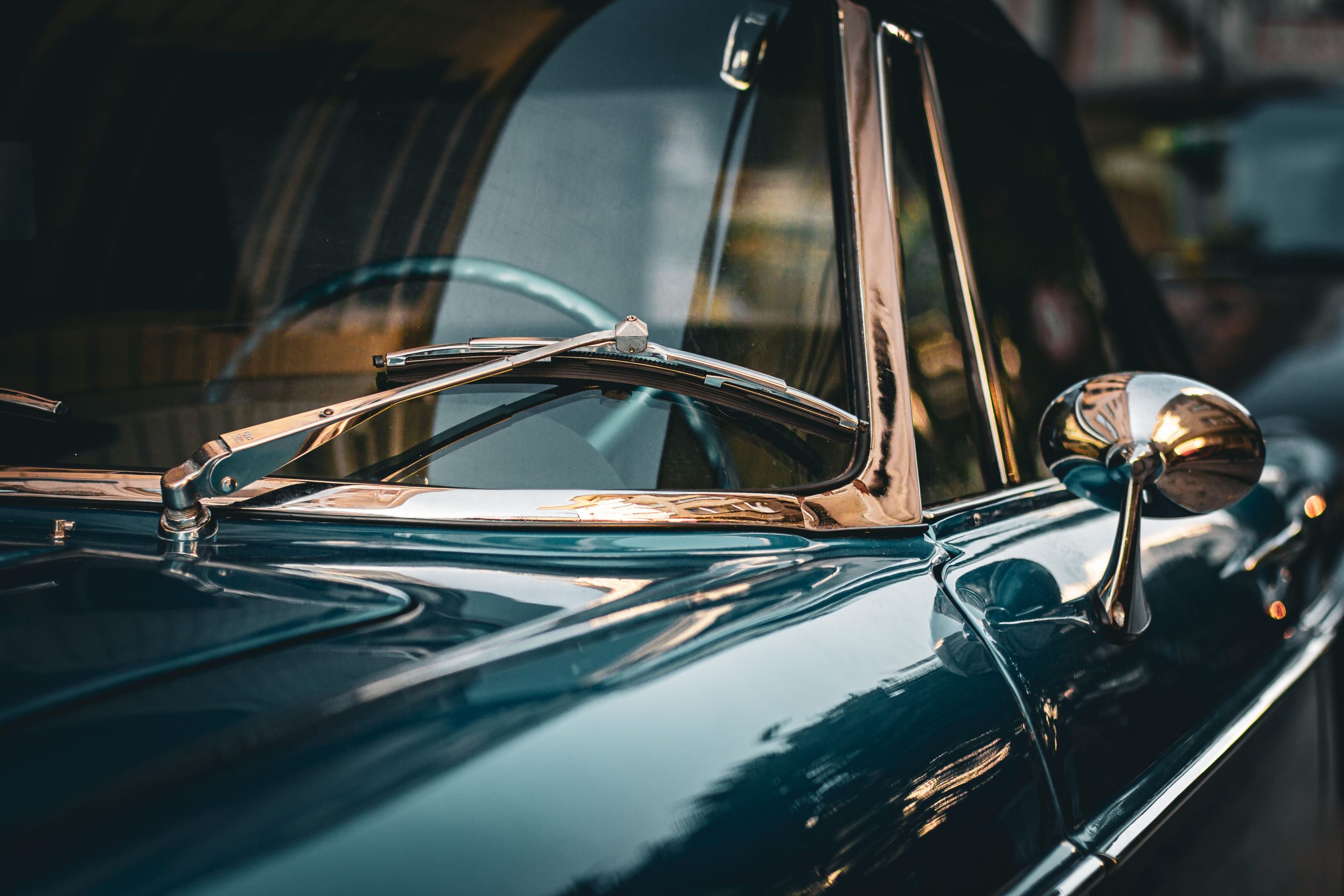
Using a pressure washer on a classic car is generally discouraged, since the high pressure can damage delicate paint, strip wax, or force water into seals and electrical components that older vehicles simply weren’t engineered to withstand the way modern cars are (Engine Needs). A standard garden hose with a low-pressure nozzle is the safer choice for rinsing, giving you enough flow to remove loose dirt without the force that risks lifting single-stage paint or working moisture into places it shouldn’t reach. Our guide on how to wash your car covers the general wash sequence, though the pressure-washer caution here is specifically a classic-car consideration modern vehicles don’t carry to the same degree.
Restoring Chrome Trim
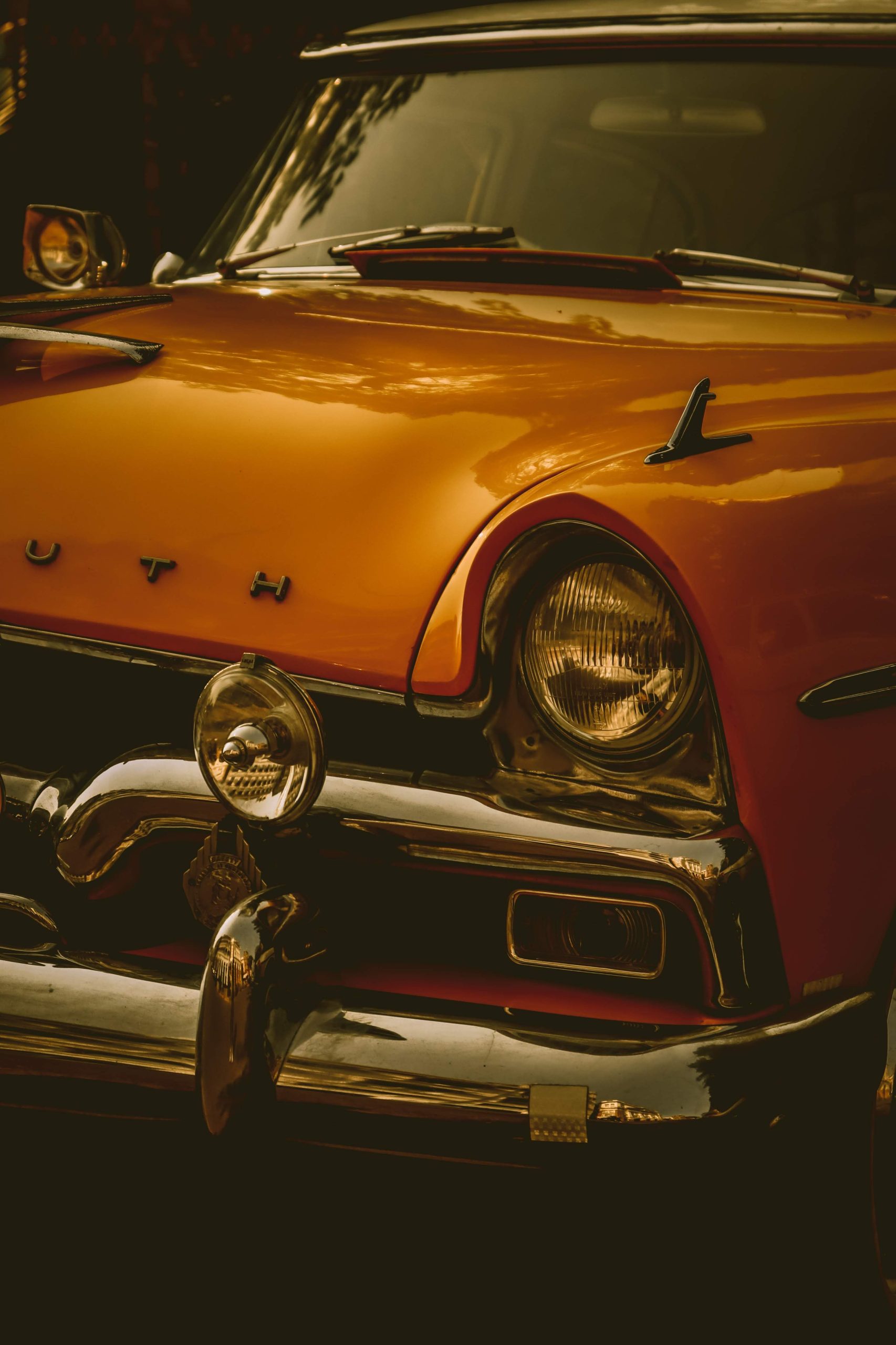
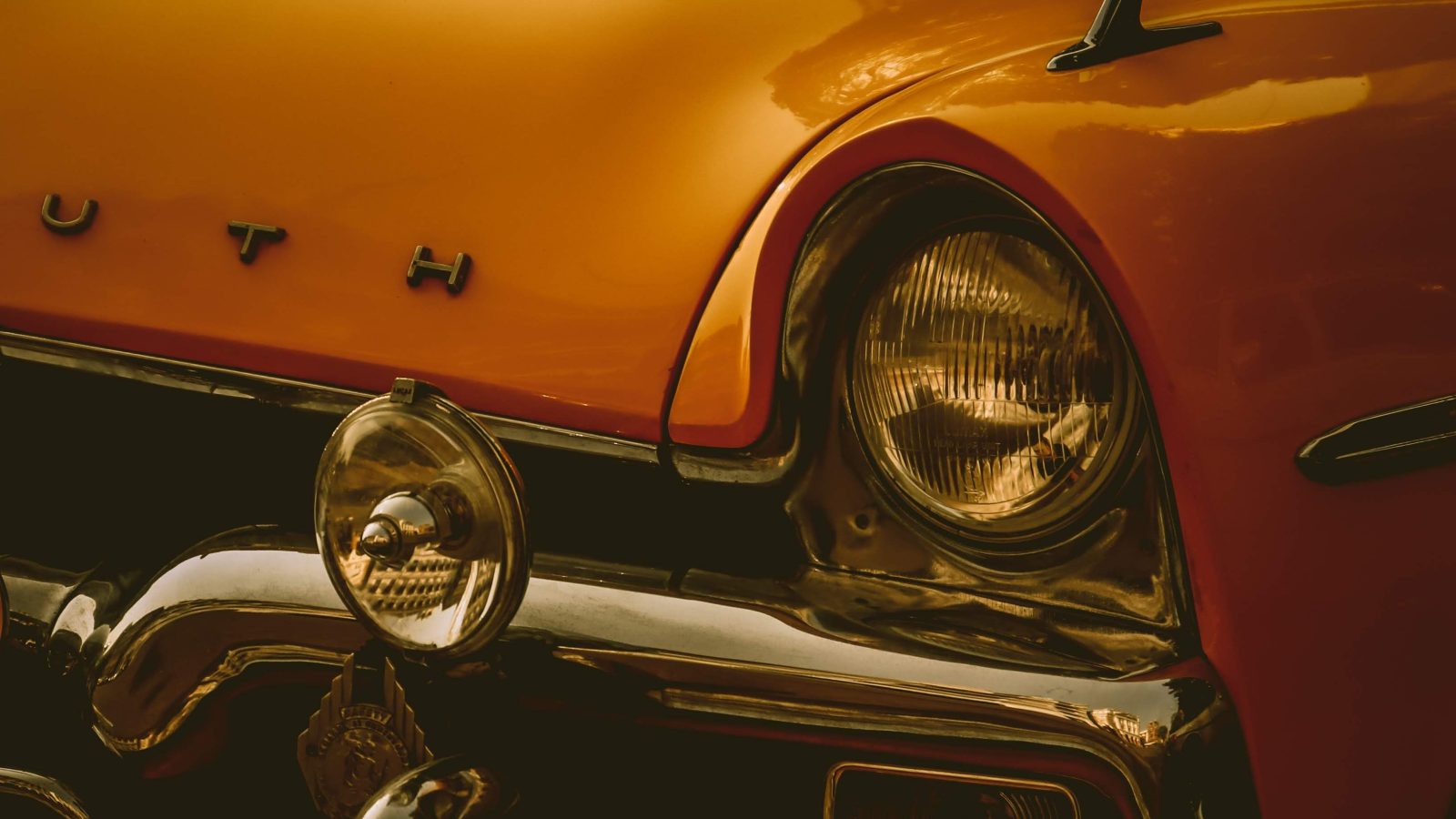
Begin by thoroughly washing chrome trim with soap and water, using a gentle sponge or microfiber cloth to prevent scratches, then rinse thoroughly and dry with a soft towel to avoid water spots (North Idaho Classics). Apply a dedicated chrome cleaner in a small amount, working it into the surface with a soft-bristle brush to help break down oxidation, tarnish, and stubborn stains — avoid harsh abrasives or acidic cleaners entirely, since these can scratch a finish that’s had decades to develop its patina. Once clean, use a dedicated chrome polish applied in small sections, buffing in circular motions, then finish with wax or a chrome sealant to block moisture and prevent the pitting that untreated chrome develops over time.
Waxing for Long-Term Protection
For vintage paint specifically, a traditional carnauba wax often provides a deeper, warmer glow than modern synthetic sealants, better matching the character of older single-stage finishes. Apply a thin, even coat using a foam applicator, allow it to haze, then buff off with a clean microfiber towel. Waxing should happen roughly every three months, more frequently if the car is regularly exposed to harsh weather conditions, since consistent wax coverage is one of the most effective ways to protect both paint and chrome from ongoing environmental exposure. Our guide on how to wax your car covers the general application technique this vintage-specific approach builds on.
Frequently Asked Questions
Is it safe to use modern ceramic coatings on classic car paint?
It depends on the paint’s condition and type — ceramic coatings can work on well-prepped single-stage paint, but consulting a specialist familiar with vintage finishes is worth doing before committing, since results and application needs differ from modern clear coat.
How often should a classic car actually be washed?
Less frequently than a daily driver in most cases — many collectors wash every few weeks or after significant dust or pollen exposure, since minimizing water and product contact overall reduces wear on aging seals and trim.
What’s the biggest mistake owners make cleaning classic car interiors?
Using modern all-purpose cleaners on vintage vinyl, leather, or fabric that may react differently than contemporary materials — testing any product on a hidden area first matters even more with older, harder-to-replace interior components.
Can rust be prevented on a classic car’s undercarriage the same way as a modern vehicle?
Largely yes — the same rust prevention principles apply, though classic car undercarriages often already carry decades of prior exposure, making a careful inspection before any treatment especially important.
The Bottom Line
Cleaning a classic car comes down to respecting what makes it different from a modern vehicle — low-pressure washing only, gentle chrome-specific restoration, and traditional carnauba wax applied consistently. These extra precautions are what preserve both the finish and the value of a vehicle that can’t simply be replaced with off-the-shelf parts.
Want your classic car professionally detailed with the care it deserves? Contact San Diego Bumper and Collision for a quote.