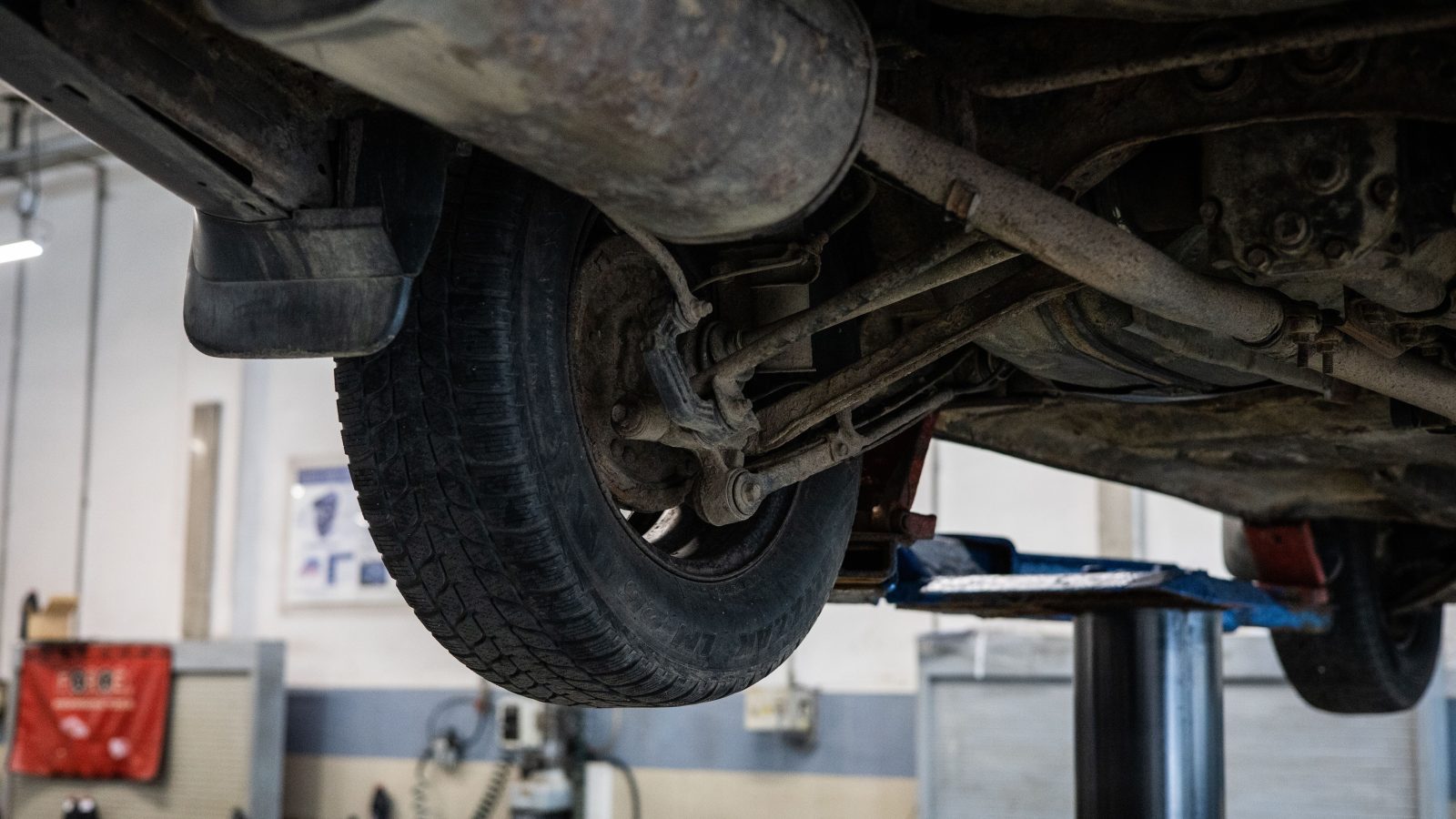
Detail a dirty undercarriage by first cleaning it thoroughly with a pressure washer and degreaser to remove dirt, salt, and grime — focusing on wheel wells and crossmembers where buildup concentrates. Inspect for orange or brown patches, bubbling paint, and rust flakes, sanding rusted areas smooth before treating them with a rust converter that turns iron oxide into a stable compound. Once dry, apply an oil-based, wax, or rubberized undercoating for ongoing protection, using ramps or jack stands on level ground and safety goggles throughout.
Here’s the full process from initial cleaning through long-term rust prevention, and how often it needs repeating depending on where and how you drive.
Key Takeaways
- Clean before inspecting — dirt and grime can hide early rust that’s still easy to treat before it spreads.
- Sand rust smooth before treating it — a converter works best on a properly prepped surface, not over flaking rust.
- Oil-based sprays suit older cars with existing rust, while wax or rubberized coatings work well as preventive maintenance.
- Wash more often in winter or wet climates — salted roads and frequent moisture accelerate corrosion significantly.
The Full Undercarriage Detail Process
Cleaning and Inspecting
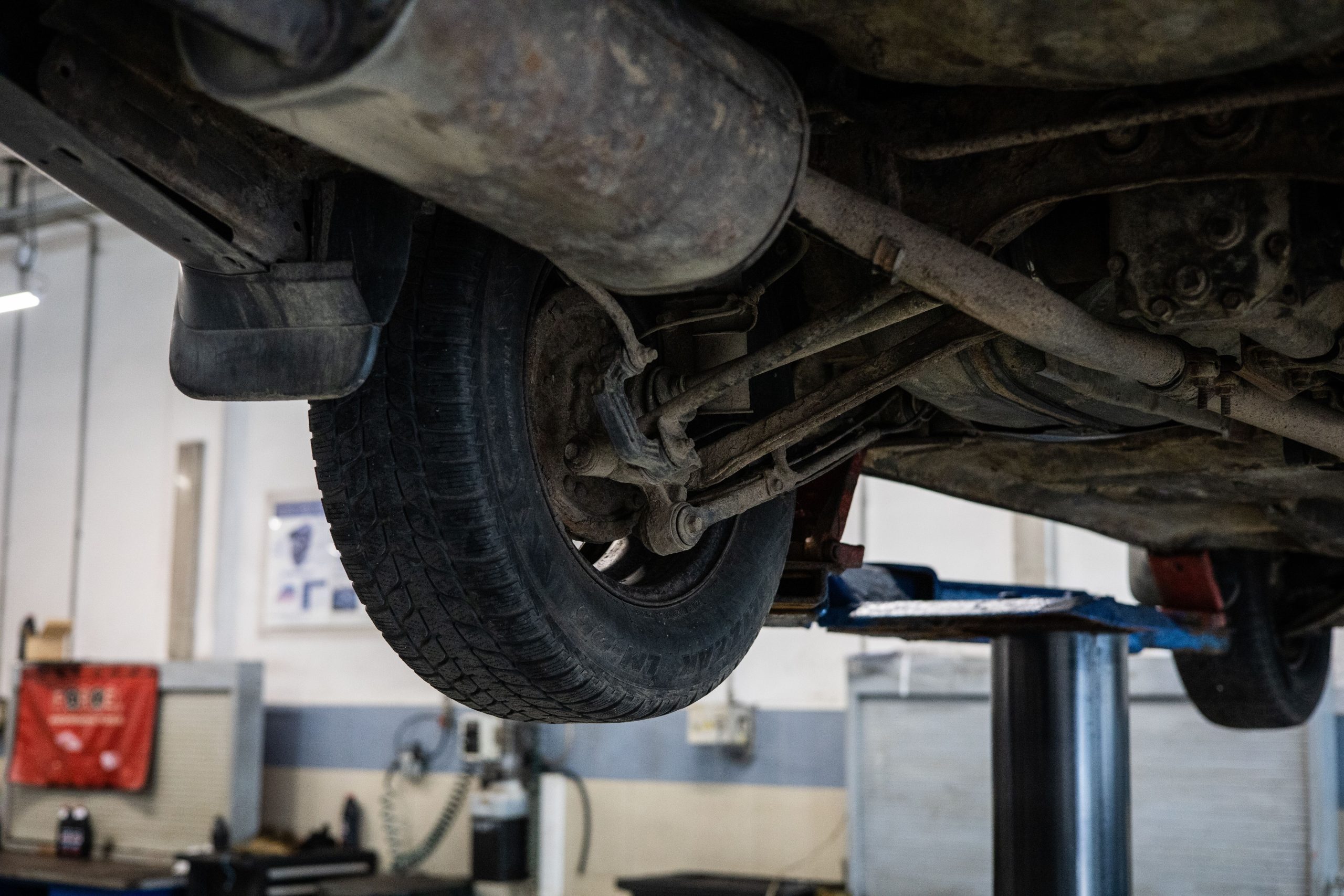
Start by cleaning the undercarriage thoroughly using a pressure washer and degreaser to remove dirt and old rust, using an undercarriage sprayer attachment to remove salt and grime focused specifically on wheel wells and crossmembers where buildup concentrates most heavily (CarXplorer). Once clean, inspect for orange or brown patches, bubbling paint, and rust flakes — a genuinely clean surface makes early rust far easier to spot than one still coated in road grime. Sanding down rusted areas creates a smooth surface for any protective coating that follows, since a converter or undercoating applied over flaking rust won’t bond as effectively.
Treating Rust and Applying Protection
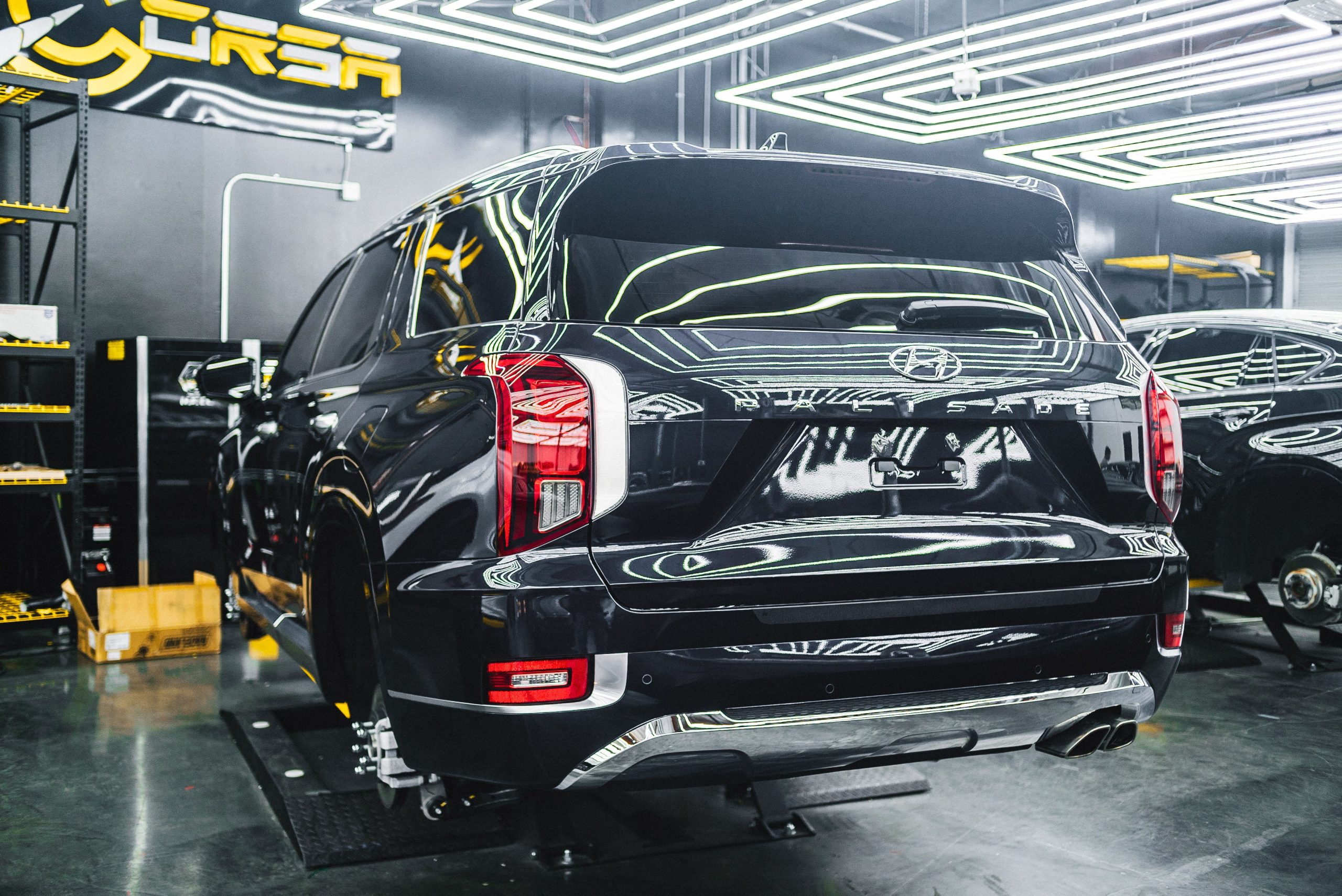
Coat remaining rusty surfaces with a rust converter that turns iron oxide into a stable compound, preventing that rust from continuing to spread underneath any coating applied afterward (Carvira). Once fully dry, apply an oil-based, wax, or rubberized undercoating for ongoing protection. Oil-based sprays, such as Fluid Film or NH0U, are generally best for older cars with existing rust, since they penetrate seams and crevices more effectively than a rigid rubberized coating would on a surface that already has active corrosion working through it.
How Often to Repeat the Process
In winter or in areas with frequent rain, wash the undercarriage at least every one to two weeks — salt and moisture are the two biggest accelerants of corrosion, and letting them sit against bare or lightly protected metal for extended periods meaningfully speeds up rust development. After driving on salted roads, through mud, or along coastal routes, clean the undercarriage as soon as reasonably possible rather than waiting for a scheduled wash. If you’re also dealing with visible engine bay grime alongside undercarriage buildup, our guide on cleaning your engine bay covers the safety precautions that similar under-hood cleaning requires.
Frequently Asked Questions
Can undercarriage detailing be done without a lift or ramps?
It’s possible with jack stands on level ground, though a proper lift or ramps give significantly better access to the full underside, making the inspection and cleaning meaningfully more thorough.
Is professional undercoating worth it over a DIY approach?
For genuinely rust-prone climates or older vehicles with existing corrosion, professional undercoating often applies more evenly and reaches tighter seams than a DIY spray, though routine maintenance washing remains something owners can handle themselves regardless.
How long does rust converter need to cure before undercoating?
This varies by product, but most rust converters need several hours to a full day to cure fully — checking the specific product’s instructions before applying undercoating on top avoids trapping uncured converter underneath.
Does undercarriage rust affect a vehicle’s resale value?
Yes, meaningfully — visible undercarriage rust is a common red flag for buyers and inspectors alike, making consistent prevention a genuinely worthwhile long-term investment beyond just avoiding structural issues.
The Bottom Line
Detailing a dirty undercarriage comes down to a thorough clean, an honest rust inspection, proper sanding and conversion of any corrosion found, and a protective undercoating suited to your vehicle’s age and condition. Consistent washing after salt, mud, or coastal driving is what keeps this from becoming a recurring, worsening problem.
Dealing with visible undercarriage rust or corrosion? Contact San Diego Bumper and Collision for a professional assessment.