Keep cats off your car using scent deterrents like citrus peels, vinegar, or cayenne pepper, a car cover or cat-spike mat as a physical barrier, or a motion-activated sprinkler or light that startles cats without harming them. Parking in a closed garage when possible and washing your car regularly to remove attractive scents both help reduce the problem at its source, since a clean, less inviting surface draws less cat attention in the first place.
Here’s how each method actually works, which combination tends to be most effective, and why cats are drawn to cars in the first place.
Key Takeaways
- Citrus, vinegar, and spicy scents like cayenne pepper are natural, humane deterrents cats tend to avoid.
- A car cover or cat-spike mat creates a physical barrier that makes the surface uncomfortable or inaccessible.
- Motion-activated water sprinklers or lights startle cats without causing harm, teaching them to avoid the area.
- A clean, regularly washed car is less inviting — accumulated scents and warmth both attract cats to begin with.
Why Cats Are Drawn to Cars
A parked car offers cats an elevated, often warm surface — the hood retains engine heat after a drive, and the overall height and visibility appeal to a cat’s instinct to perch somewhere it can watch its surroundings. Combined with the fact that a clean car actually attracts less attention than one that’s accumulated scents from other animals or the environment, understanding this appeal is the first step to choosing an effective deterrent (Catster).
Comparing Deterrent Methods
| Method | How It Works | Best For |
|---|---|---|
| Citrus/vinegar/pepper scent | Cats naturally avoid these odors | Low-cost, easy to reapply regularly |
| Car cover | Removes the appealing surface entirely | Overnight or long-term parking |
| Cat-spike mat | Makes climbing on uncomfortable | Targeted protection on hood/roof |
| Motion-activated sprinkler | Startles cats without harm | Driveways, outdoor parking spots |
| Motion-activated light | Scares off cats approaching at night | Low-touch nighttime deterrence |
Scent-Based Deterrents
Natural scents pleasant to humans but repellent to cats — citrus, vinegar, and essential oils like lavender and peppermint — make effective homemade deterrents (Nature’s MACE). Citrus scents from orange or lemon peels, and spicy scents like cayenne pepper, both act as natural repellents cats instinctively want to avoid (The Vet Desk). Rubbing citrus peels along areas cats frequent, or placing small dishes of diluted vinegar nearby, requires reapplication as scents fade but costs nothing beyond items already in most kitchens.
Physical Barriers
Cat-spike mats effectively deter a cat from climbing onto the areas they cover, without causing any actual harm — the spikes are uncomfortable underfoot but not sharp enough to injure. Simply placing these mats on the hood or roof removes the comfortable surface that made the car appealing in the first place. A sturdy car cover offers a more complete solution, creating a barrier cats can’t easily climb onto at all, which also has the side benefit of protecting your paint from sun exposure and debris.
Parking somewhere less appealing to cats — in a closed garage if you have one, or away from areas cats frequent — can be highly effective without requiring any product purchase at all. If you’re weighing garage parking as a broader solution, our guide on how big a 2-car garage is covers space planning if you’re considering adding covered parking.
Motion-Activated Devices
Motion-activated deterrents spray water or emit sounds when a cat approaches, providing a humane, non-toxic way to protect your car without physical contact (PawMaw). Motion-activated lights turn on when cats or other animals approach, scaring them off in a low-touch, hands-off way that requires no ongoing maintenance beyond battery or power checks.
Keeping the Car Itself Less Attractive
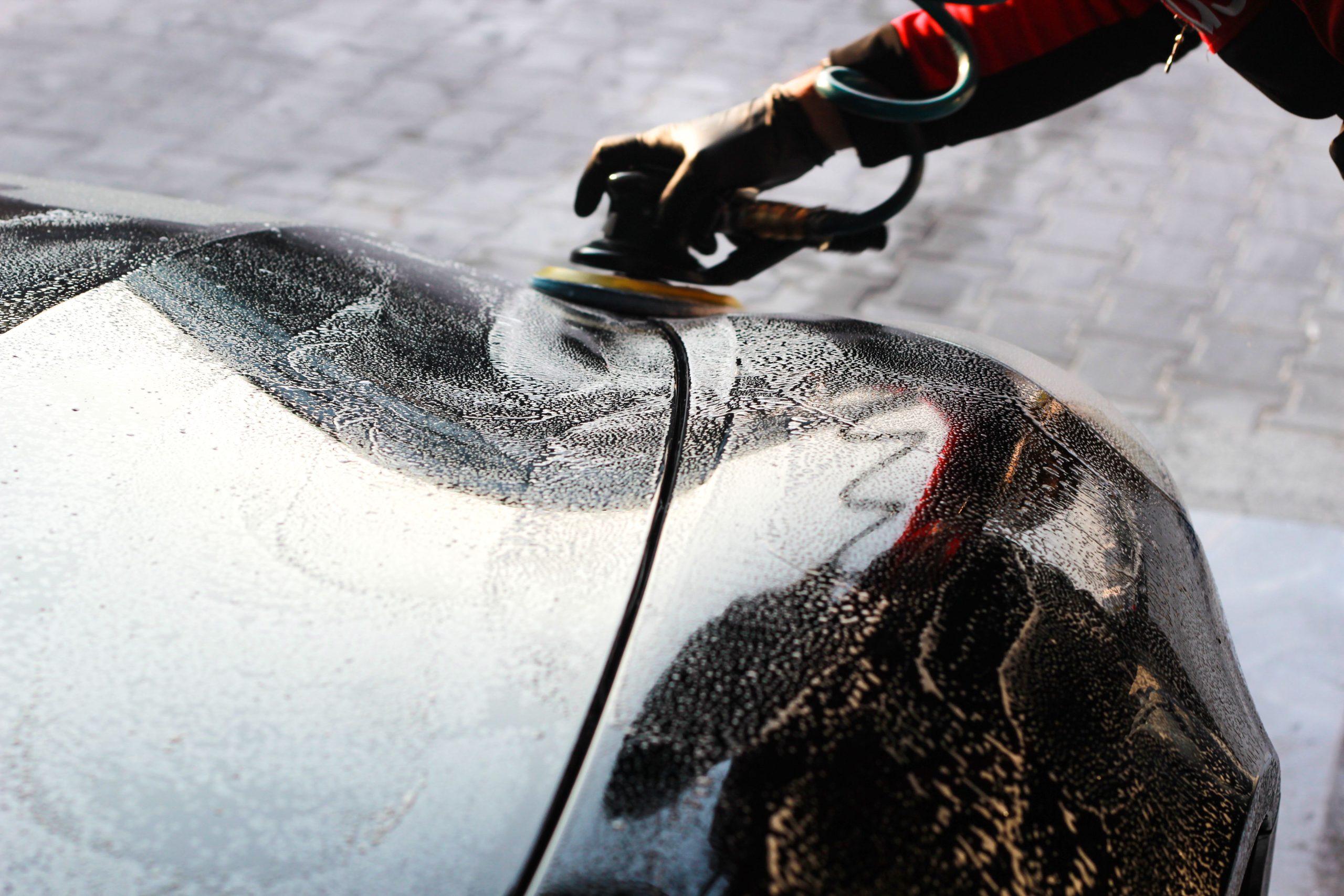
Regularly washing your vehicle removes scents that may attract cats in the first place, including territorial markings from other cats that draw repeat visits. A consistently clean car, combined with any of the deterrent methods above, tends to produce the best long-term results — the deterrent discourages new visits while cleanliness removes the underlying draw that brought cats around initially.
Frequently Asked Questions
Do cat scratches on a car actually cause lasting paint damage?
They can, particularly if scratches are deep enough to penetrate the clear coat — light surface marks often buff out, but if you’re noticing repeated scratching in the same spot, addressing the cat access issue promptly helps avoid cumulative damage over time.
Are ultrasonic cat deterrent devices effective?
Results vary by individual cat — some ultrasonic devices work well, while others show limited effectiveness, making them a reasonable option to try but not a guaranteed universal solution compared to more consistently reliable methods like physical barriers.
Is it safe to use these deterrents around a cat I actually own?
Most of the scent and physical deterrents mentioned are safe, but check specific product labels if you’re using a commercial repellent, since some formulations aren’t recommended around pets that may have direct skin or paw contact.
Does the time of year affect how often cats bother a parked car?
Yes — cats often seek out warm surfaces more in cooler weather when a recently driven car’s hood retains heat, meaning deterrent efforts may need to be more consistent during colder months.
The Bottom Line
Keeping cats off your car works best with a layered approach: scent deterrents like citrus or vinegar, a physical barrier like a cover or spike mat, and motion-activated sprinklers or lights for hands-off protection. Combined with regular washing to remove attractive scents, these methods address both the immediate deterrence and the underlying reasons cats were drawn to the car in the first place.
Dealing with paint scratches or damage from repeated animal access? Contact San Diego Bumper and Collision for an assessment.