New car smell fades because the chemicals that create it evaporate — it’s not something a scent trick preserves. The single biggest lever is heat: park in the shade, use a windshield sunshade, and avoid letting the cabin bake, since heat is exactly what accelerates the off-gassing that produces (and eventually depletes) that smell.
Everything else — cleaning routine, humidity, what you do and don’t spray inside — either slows that clock down or speeds it up.
Key Takeaways
- New car smell comes from VOCs (volatile organic compounds) off-gassing from adhesives, foam, vinyl, and fabric — it’s a chemical process, not a fragrance that “runs out.”
- Heat accelerates off-gassing. Parking in the sun burns through the smell faster than parking in shade or a garage.
- The smell itself typically fades over weeks to a few months, though the underlying chemical off-gassing continues at low levels for considerably longer.
- Genuine “new car scent” sprays exist and work reasonably well — they’re formulated to mimic the sensory profile of factory off-gassing, not just mask odor with an unrelated fragrance like vanilla or pine.
What New Car Smell Actually Is
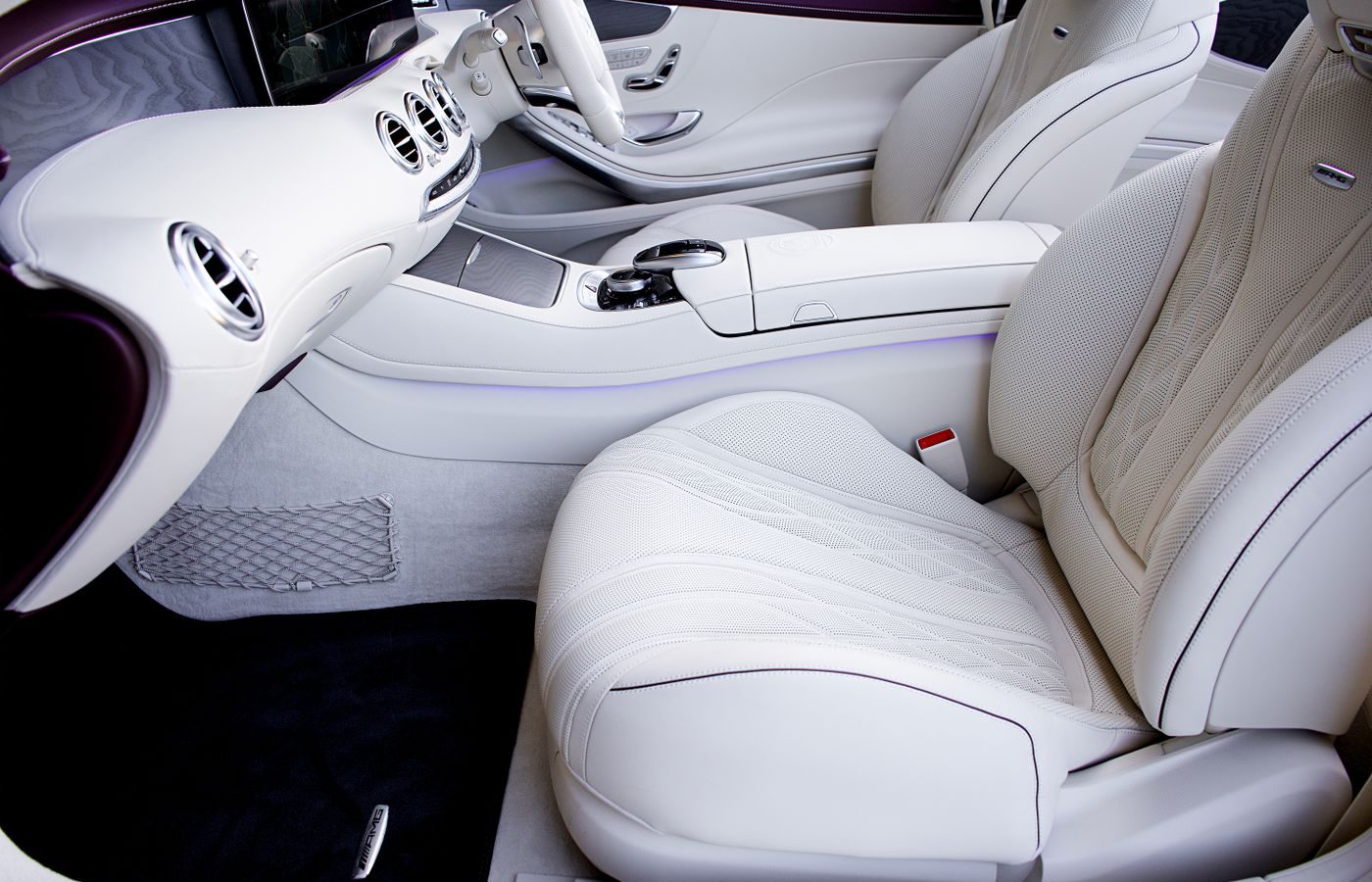
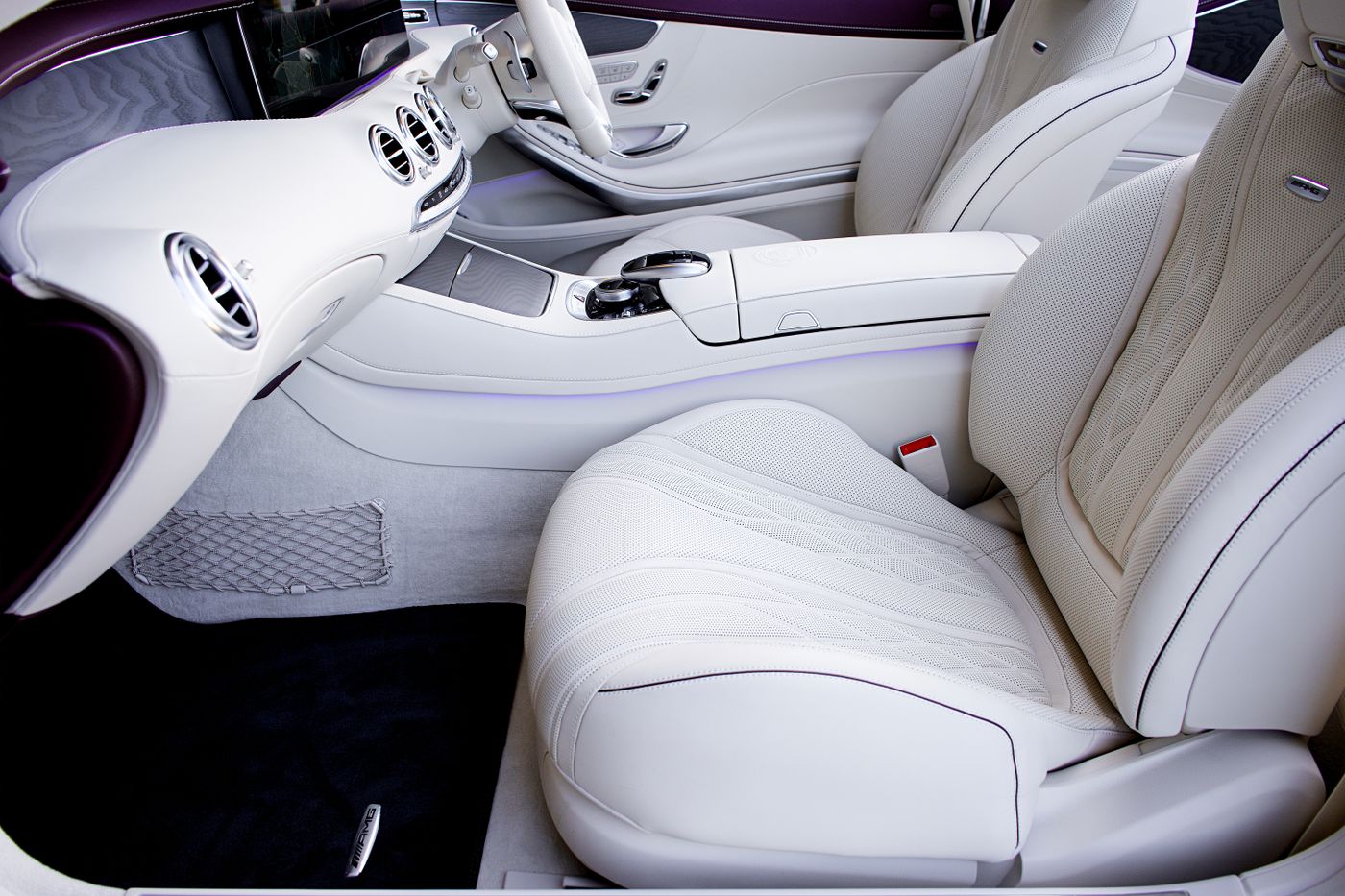
It’s not one thing. New car smell is the combined scent of volatile organic compounds (VOCs) releasing from dozens of interior materials at once: foam cushioning, adhesives bonding trim panels, vinyl and plastic dashboard components, synthetic leather, and carpet backing. All of it was manufactured, assembled, and sealed inside the vehicle recently, and all of it is still releasing compounds as it settles.
This matters for the “how to keep it” question because it means the smell isn’t a finite scent that depletes at a fixed rate — it’s a chemical reaction that responds directly to heat, airflow, and time. Control those three variables and you control how long the smell lasts.
The Ecology Center, a nonprofit that has tested VOC levels across hundreds of vehicle models, found that concentrations vary significantly by make and interior material, with compounds like PVC-free interiors and non-brominated flame retardants correlating with lower overall VOC levels (Ecology Center Healthy Stuff research). In practical terms: some cars simply start with more “smell potential” than others based on what’s inside them.
How Long Does New Car Smell Actually Last?
Estimates vary widely depending on climate and usage, and there’s no single authoritative timeline — but the general pattern reported across automotive sources is a rapid initial drop followed by a long, slow tail. A large share of total VOC release happens in the first few months, then tapers off gradually, with faint traces detectable considerably longer in some vehicles.
Climate changes this dramatically. A car garaged in a cool, humid climate holds onto the smell measurably longer than one parked outdoors in direct desert sun, since heat is the primary driver of how fast those compounds evaporate out of the materials.
How to Make New Car Smell Last Longer
If preserving the scent is your goal, these are the levers that actually matter.
1. Park in the shade or a garage whenever possible. This is the highest-impact habit by far. Direct sun heats the dashboard and interior surfaces well above ambient temperature, and that heat is what drives VOCs out of the materials faster. A shaded or covered parking spot slows the whole process down.
2. Use a windshield sunshade even for short stops. It’s a cheap, immediate way to cut interior heat buildup, especially in the first few months when off-gassing is at its peak.
3. Limit unnecessary window-down driving and full-recirculation cabin settings early on if you specifically want to preserve the smell rather than ventilate it away — these two goals are in direct tension, and it’s worth being honest with yourself about which one you actually want (more on that below).
4. Keep the interior clean, but skip harsh chemical cleaners on trim and upholstery early on. Consistent light cleaning — vacuuming, wiping down hard surfaces — prevents food smells, spills, and general grime from overpowering the factory scent. Aggressive solvent-based cleaners can strip or alter the smell of vinyl and leather surfaces faster than normal wear would.
5. Avoid smoking in the car and minimize strong outside odors riding along — fast food, wet gym clothes, pet smells. These compete directly with and eventually dominate the original scent.
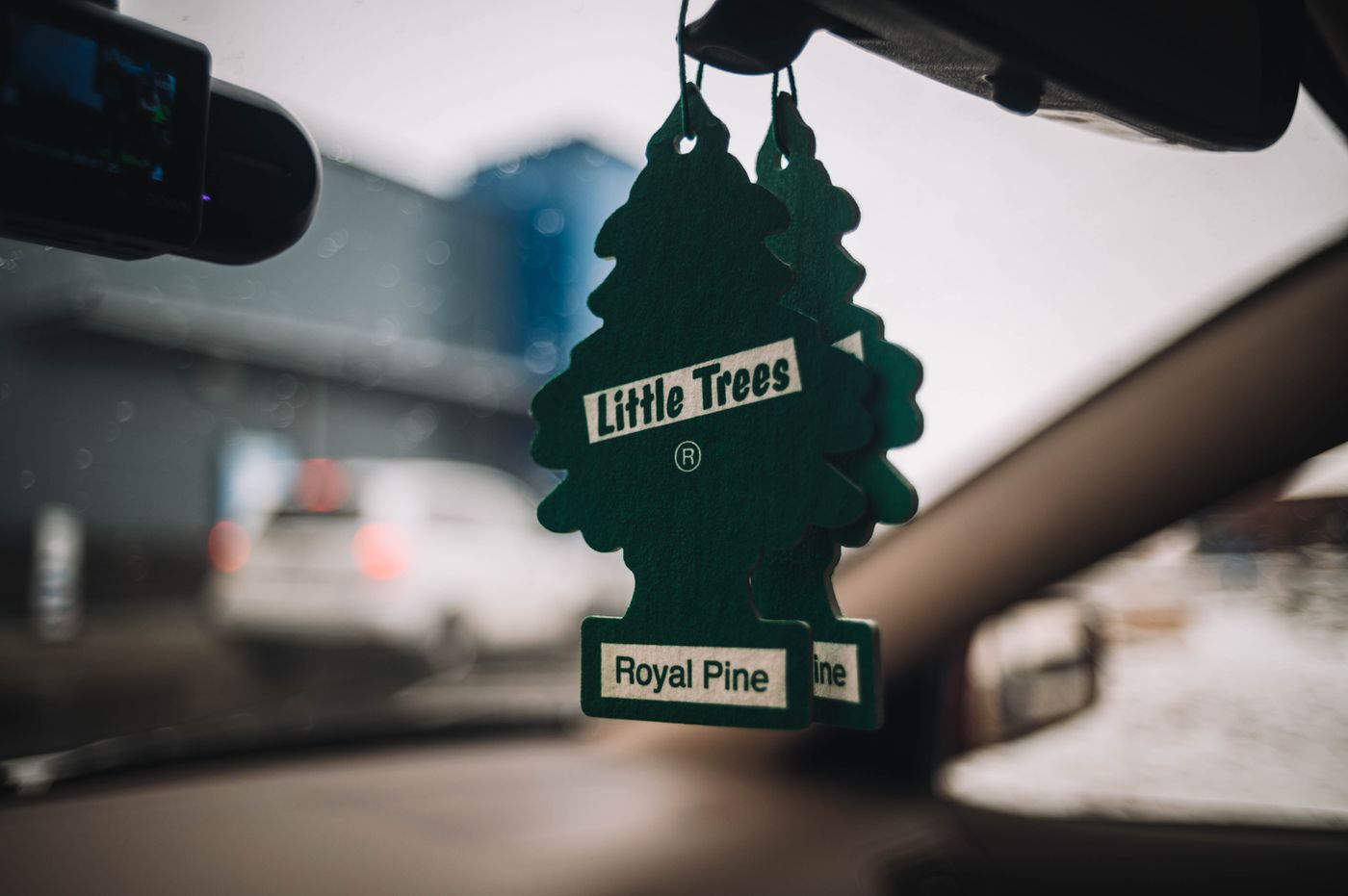
6. Use a “new car scent” air freshener once the factory smell fades. Products specifically labeled “new car scent” — vent clips, hanging fresheners, or sprays — are formulated to mimic the sensory character of factory off-gassing (that leathery, plasticky, synthetic top note) rather than mask it with an unrelated fragrance like vanilla or pine. It’s not the same as the real thing, but it’s the closest synthetic approximation once the factory smell is genuinely gone.
The Case for Doing the Opposite: Why You Might Want to Ventilate It Out Faster
Here’s the honest complication: everything that preserves new car smell also concentrates the VOCs you’re breathing, and there’s a real health argument for ventilating a new car aggressively rather than sealing it up.
Reporting on VOC exposure in vehicles notes that concentrations are highest in the first months of ownership, and that sensitive individuals can experience headaches, dizziness, or eye and throat irritation from sustained exposure in a closed, hot cabin. Consistent ventilation — windows cracked, HVAC set to outside air rather than recirculate, especially on hot days — measurably reduces VOC concentration in the cabin air.
That doesn’t mean the smell is dangerous in normal daily use for most people. It means there’s a genuine trade-off between “preserve the scent as long as possible” and “minimize what you’re breathing in a closed cabin,” and it’s worth picking a side deliberately rather than defaulting into a hot, sealed car because that happens to also smell the strongest.
A reasonable middle ground: ventilate normally during everyday driving (crack a window, use outside-air mode), but park in shade and skip harsh interior cleaners. You get most of the smell-preservation benefit without maximizing your VOC exposure in the process.
Cleaning Habits That Help (Without Ruining the Smell)
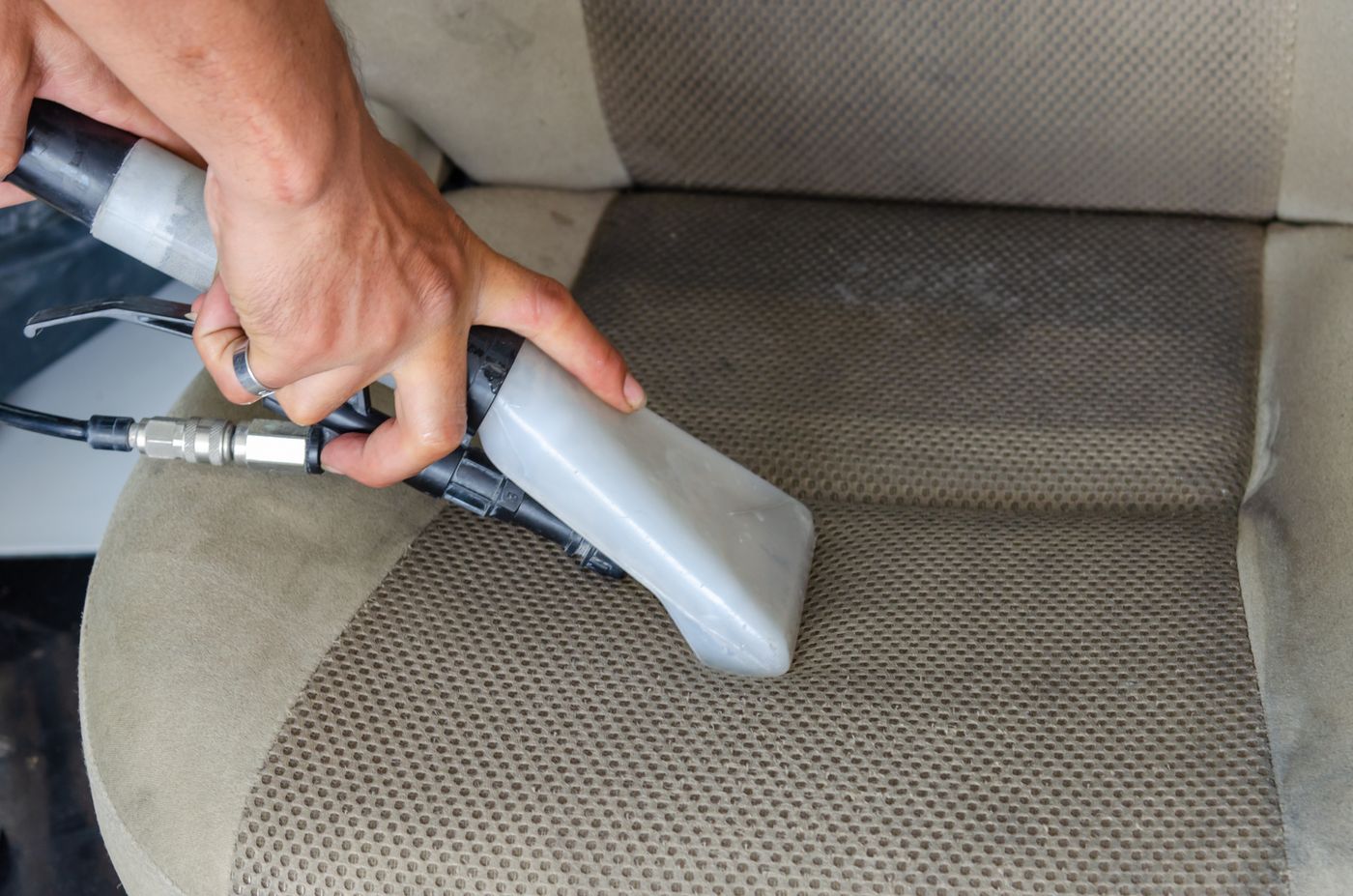
- Vacuum weekly, focusing on seat seams and floor mats where odor-causing debris collects.
- Wipe hard surfaces with a barely damp microfiber cloth rather than a heavily scented all-purpose cleaner.
- Skip fabric-heavy scent treatments (odor-eliminating sprays, deodorizing powders) on upholstery in the first few months — they add their own smell on top of, or instead of, the factory scent.
- Address spills immediately. A stain that sets releases its own odor for weeks and competes directly with what you’re trying to preserve.
- Don’t eat in the car for the first several months if this is genuinely a priority — food odor is one of the fastest ways to permanently overlay the factory smell.
If your new car has already been in a fender-bender or needs interior trim work, that’s worth handling sooner rather than later — a shop replacing damaged panels can match trim pieces before the surrounding material ages and the color/texture becomes harder to match. Our collision and interior repair services can help if that’s the situation you’re in.
Frequently Asked Questions
Is new car smell bad for you?
For most people, brief exposure isn’t a significant health concern, but the VOCs responsible for the smell can cause headaches, dizziness, or throat and eye irritation in sensitive individuals, especially in a hot, poorly ventilated cabin. Regular ventilation reduces concentration and is a reasonable precaution regardless of how much you enjoy the smell.
Do “new car smell” air fresheners actually smell like a new car?
Reasonably close, though not identical. Legitimate new-car-scent products are formulated by perfumers to mimic the sensory impression of factory off-gassing, which is why they read as more convincing than a generic pine or vanilla air freshener. They’re a synthetic approximation using standard fragrance compounds, not a literal reproduction of the actual off-gassing chemistry.
Why does my new car smell fade faster than my friend’s?
Climate and parking habits are the biggest variables. A car parked in direct sun in a hot climate loses the smell faster than one garaged or parked in shade, because heat accelerates the off-gassing process that produces the scent in the first place. Interior material differences between models also play a role.
Can I speed up getting rid of the smell if it bothers me?
Yes — ventilation is the fastest legitimate method. Park in the sun with windows cracked (heat plus airflow accelerates off-gassing and lets it escape rather than build up), run the HVAC on outside-air mode rather than recirculate, and avoid leaving the car sealed up in the heat if you want the smell gone faster rather than preserved.
Does leather smell different from cloth interior when new?
Yes. Leather (and synthetic leather) off-gasses differently than cloth and foam, and tends to carry a more distinct, longer-lasting scent profile. This is part of why leather-trim options are sometimes marketed around their interior smell specifically.
The Bottom Line
New car smell is a byproduct of chemical off-gassing, not a scent that simply runs its course on a timer. Heat is the dial that controls how fast it fades — park in shade, use a sunshade, and avoid a hot, sealed cabin if you want the smell to last.
Just weigh that against the honest trade-off: the same conditions that preserve the smell also concentrate what you’re breathing. A reasonable middle ground — normal ventilation during drives, shaded parking otherwise — gets you most of both. If your new car needs any interior or body work along the way, contact San Diego Bumper and Collision for an estimate.