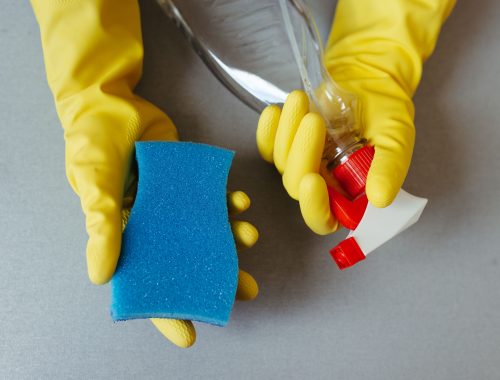
Make your car smell good by starting with the source, not the scent — remove trash, vacuum thoroughly, clean fabric surfaces, and check for mold or mildew, then use a natural neutralizer like baking soda or bamboo charcoal bags before adding a light scent with essential oils or a diffuser. Prevent future odors by keeping a small trash bin in the car and emptying it regularly, switching the AC off a few minutes before parking while leaving the fan on fresh air mode to dry residual moisture from the vents, and changing your cabin air filter every 12,000-15,000 miles.
Here’s the full remove-neutralize-scent sequence, the prevention habits that stop odors before they start, and which air freshener options actually work versus just masking the problem temporarily.
Key Takeaways
- Address the source before adding scent — air freshener over an unaddressed odor source just layers a temporary cover on top of the real problem.
- Bamboo charcoal absorbs odor naturally, pulling moisture and odor-causing particles from the air rather than masking them.
- Running the fan on fresh air mode before parking dries evaporator coils and vents, preventing the musty smell that damp HVAC components cause.
- Change the cabin air filter every 12,000-15,000 miles — a clogged filter is a common, easy-to-miss odor source.
The Remove-Neutralize-Scent Routine
Start With the Source
Start by removing the odor source, vacuum thoroughly, clean all fabric surfaces, and check for mold or mildew, then use a natural neutralizer like baking soda or bamboo charcoal bags before finally adding a light scent using essential oils or a car diffuser (Panda Hub). This order matters — skipping straight to scent without addressing the actual source just masks a problem that keeps returning, sometimes combining with the added fragrance into an even less pleasant result. If you’re dealing with a specific, identifiable bad smell rather than general staleness, our guide on removing bad odors from your car’s interior covers diagnosing and treating that source directly.
Prevention Habits That Actually Work
Keep a small trash bin in the car and empty it regularly, since food wrappers, used cups, and forgotten receipts create odors quickly even in small quantities (Foremost Insurance Group). Switch the AC off a few minutes before you park and leave the fan running on fresh air mode to dry out the evaporator coils and clear residual moisture from the vents — this single habit prevents much of the musty, damp smell that develops in humid climates or after frequent AC use. Change your cabin air filter every 12,000-15,000 miles, or sooner if you notice reduced airflow or a musty smell when the fan runs, since a clogged filter is a genuinely common and easy-to-overlook odor source that no amount of interior cleaning will fix on its own.
Choosing an Air Freshener That Actually Helps
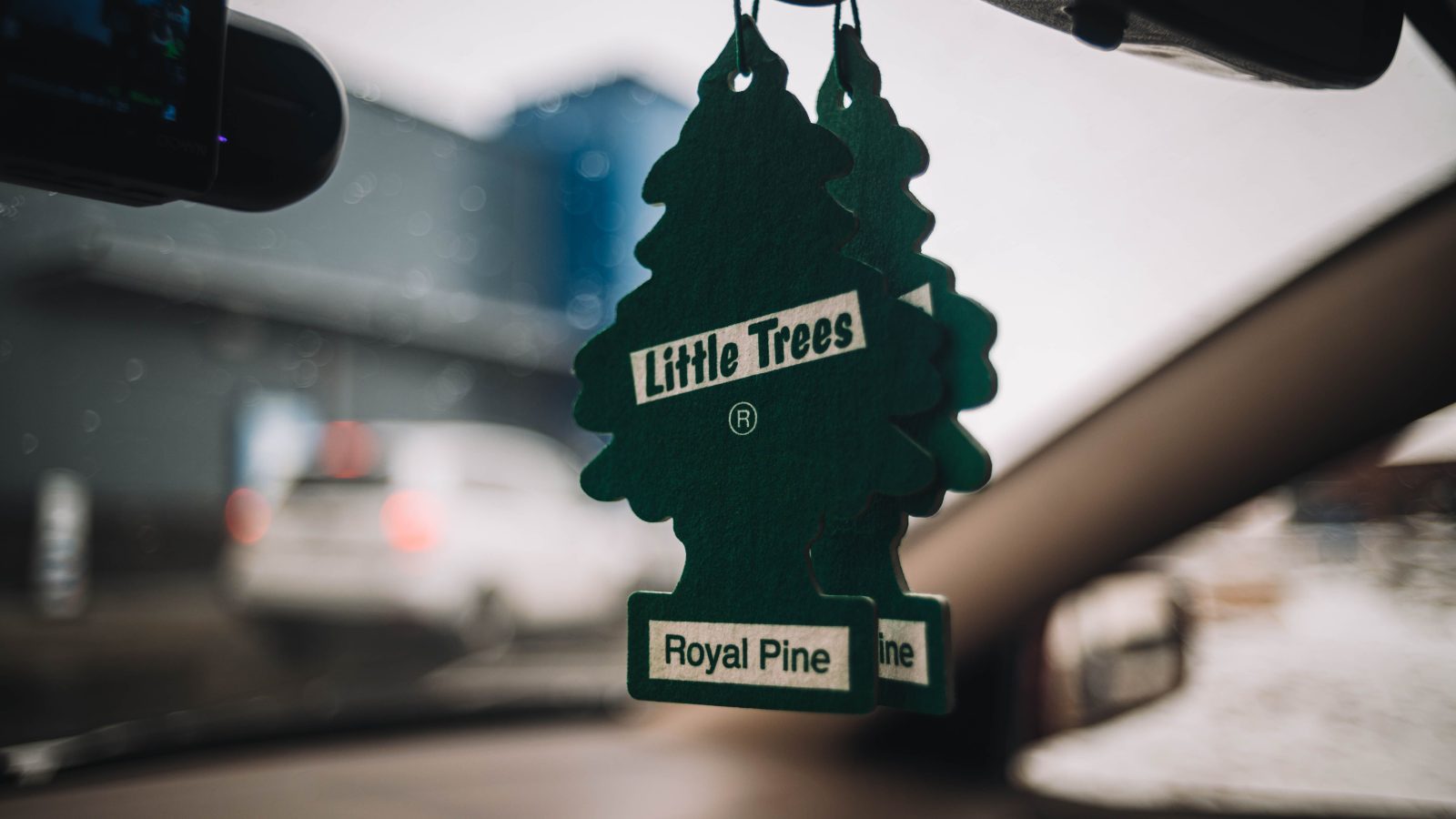
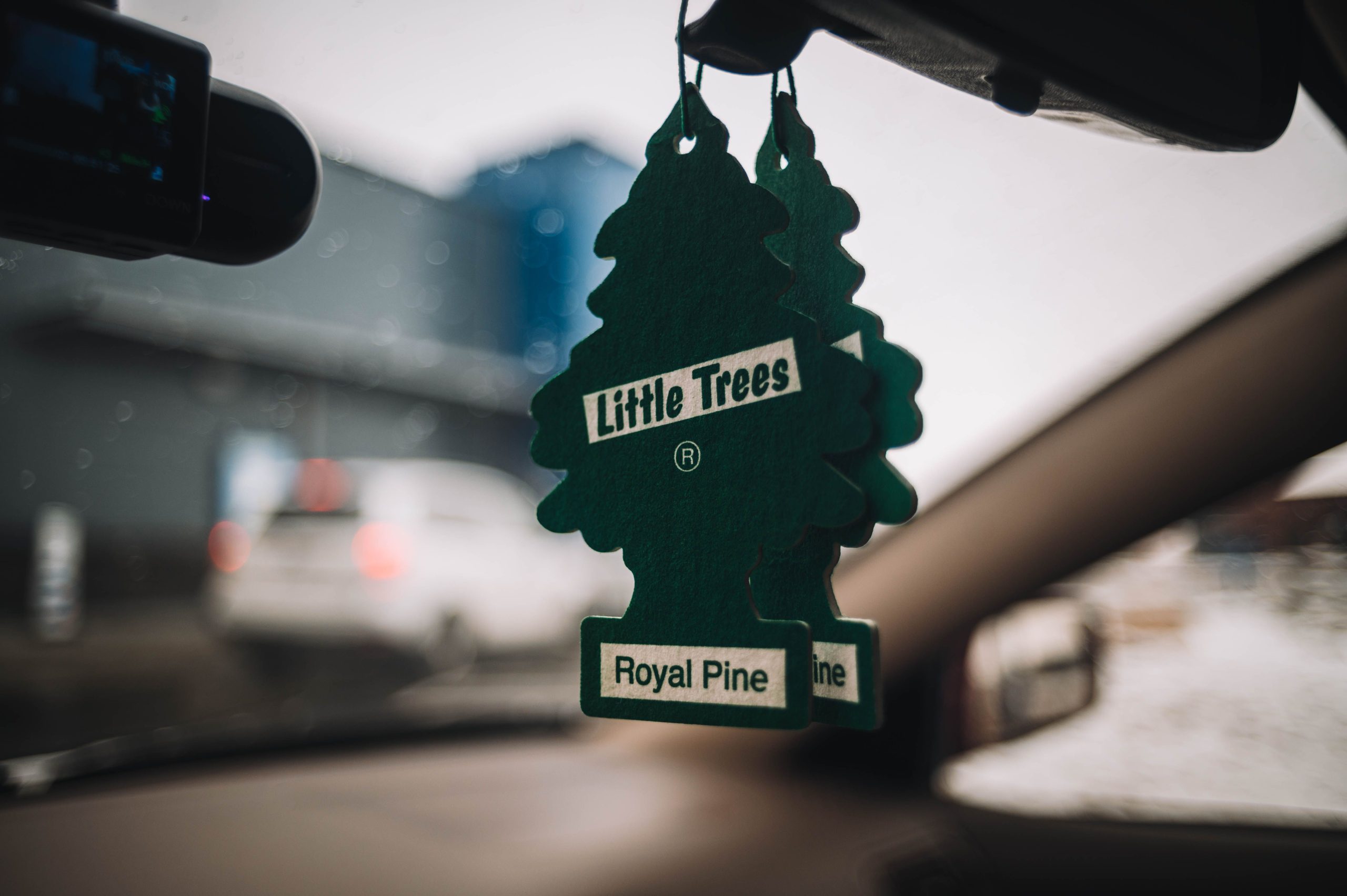
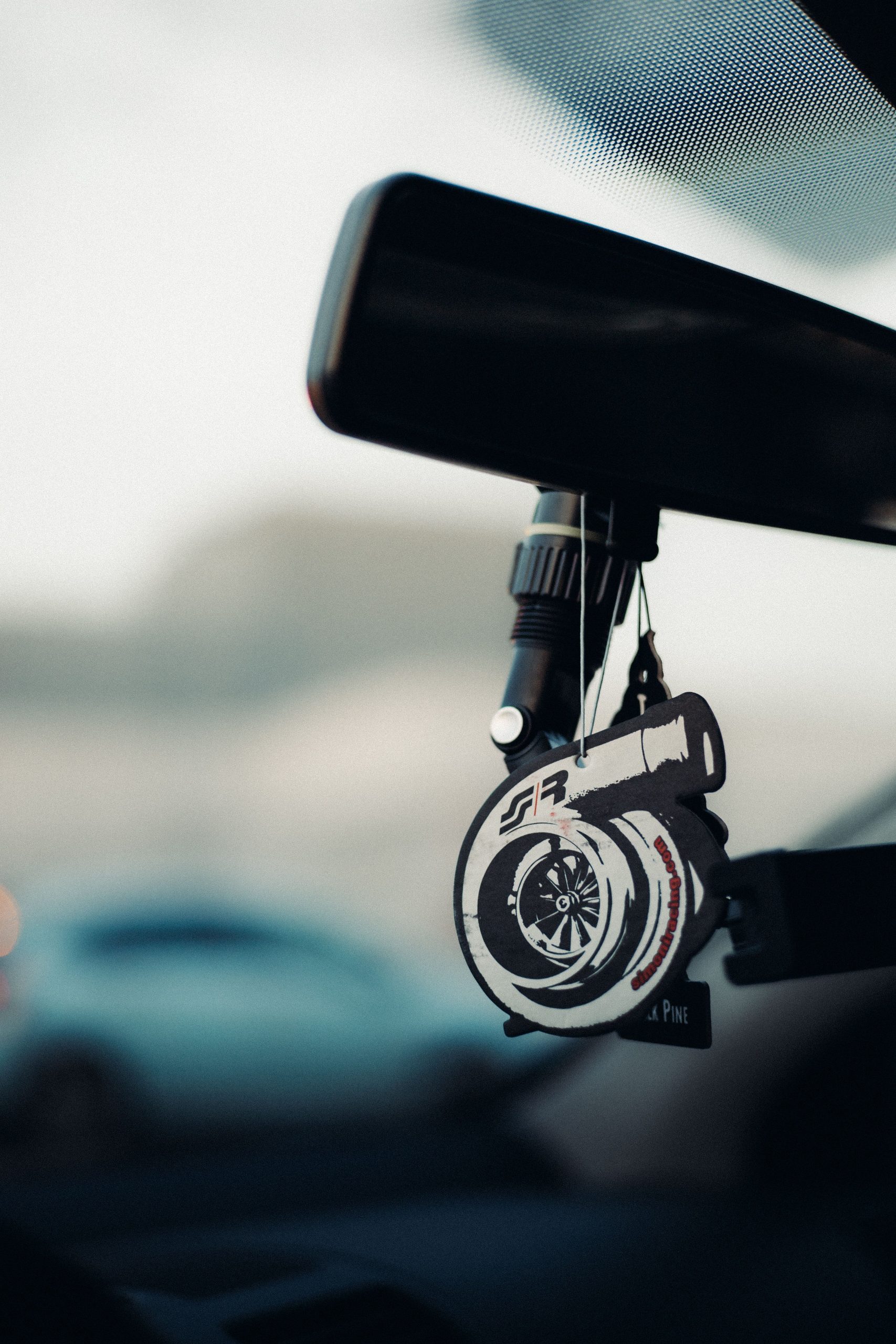
Bamboo charcoal bags are one of the best natural, chemical-free ways to neutralize odors, absorbing moisture and odor-causing particles from the air rather than covering them with fragrance. Clip-style products like Febreze Unstopables attach to a vent and help neutralize odors for up to 160 days, offering meaningfully longer performance than a hanging cardboard tree. A DIY diffuser — essential oils on a cotton ball clipped to a clothespin on the vent — offers a customizable, low-cost option, with peppermint being a good pick for anyone prone to carsickness. Dryer sheets tucked under seats or in the glove compartment work as a quick, inexpensive way to add a pleasant scent in a pinch, though they function more as a mask than a genuine neutralizer.
Frequently Asked Questions
How long does it typically take to eliminate a stubborn car odor?
It varies by odor type and severity, but combining source removal with a neutralizer like baking soda or charcoal often shows noticeable improvement within a few days to a week of consistent treatment.
Are scented air fresheners bad for interior surfaces over time?
Most quality automotive air fresheners are formulated to be safe for interior materials, though excessive or prolonged direct contact with certain oil-based diffusers can occasionally leave residue on nearby plastic surfaces.
Does keeping windows cracked help with car odor prevention?
Yes, briefly — allowing some airflow when parked, especially after a spill or in humid weather, helps reduce the trapped moisture and stagnant air that odors tend to develop in.
Is it worth replacing floor mats specifically to help with smell?
If mats are heavily soiled or have absorbed odor beyond what cleaning can address, replacement can genuinely help, though our guide on cleaning and protecting rubber floor mats covers restoration options worth trying first.
The Bottom Line
Making your car smell good comes down to addressing the actual odor source first, then neutralizing rather than masking, and finally adding a light scent as the finishing touch — not the starting point. Prevention habits like regular trash removal, drying the AC system before parking, and timely cabin air filter changes do more long-term work than any single air freshener product ever will.
Dealing with a persistent odor that won’t go away? Contact San Diego Bumper and Collision for a professional assessment.