
Remove a stripped bolt by escalating from the gentlest method that works: a bolt extractor socket (the easiest first attempt, gripping via spiraled internal ridges), filing the bolt head back square for minor stripping, cutting a slot for a flathead screwdriver, drilling and using a screw extractor for more severe cases, or applying heat to expand metal and break corrosion. Welding a nut onto the bolt head is the last resort for truly stuck bolts.
Here’s each method explained, in the order you should actually try them, plus when it’s time to call in a professional instead.
Key Takeaways
- Always start with the gentlest method — a bolt extractor socket is the easiest and least destructive first attempt.
- Filing works for only slightly stripped bolts, restoring the head to a squared shape a standard socket can grip.
- Drilling and screw extraction handles more severe stripping, but requires care to avoid breaking the extractor itself.
- Heat and welding are last-resort methods for bolts that resist every gentler technique.
The Escalation Order: Gentlest to Most Aggressive
These methods range from simple to advanced, so the right approach is to start with the gentlest and escalate only if needed (The Drive).
Method 1: Bolt Extractor Socket
Using a specialty extractor socket is by far the easiest way to remove a stripped bolt. These sockets come in various sizes and feature spiraled ridges inside the recess — when turned with a ratchet, the ridges bite into the damaged bolt head, providing solid grip even on rounded-off fasteners (CarParts.com). This should almost always be your first attempt, since it requires no cutting, drilling, or heat, and works on a wide range of stripping severity.
Method 2: Filing the Head Back Square
If a bolt is only slightly stripped, filing the edges of the bolt head back into a squared, true shape can restore enough grip for a standard socket wrench to work (This Old House). This takes time and patience, but it’s a genuinely effective low-tech option for minor stripping — once restored to something approximating its original shape, a standard socket resumes normal removal.
Method 3: Cutting a Slot
Using a Dremel tool or another cutter or grinder, cut a slit across the head of the bolt, then use a flathead screwdriver in that slot to apply turning leverage and break the bolt free. This method works well for bolts too damaged for filing to restore, but not yet requiring drilling.
Method 4: Drilling and Screw Extraction
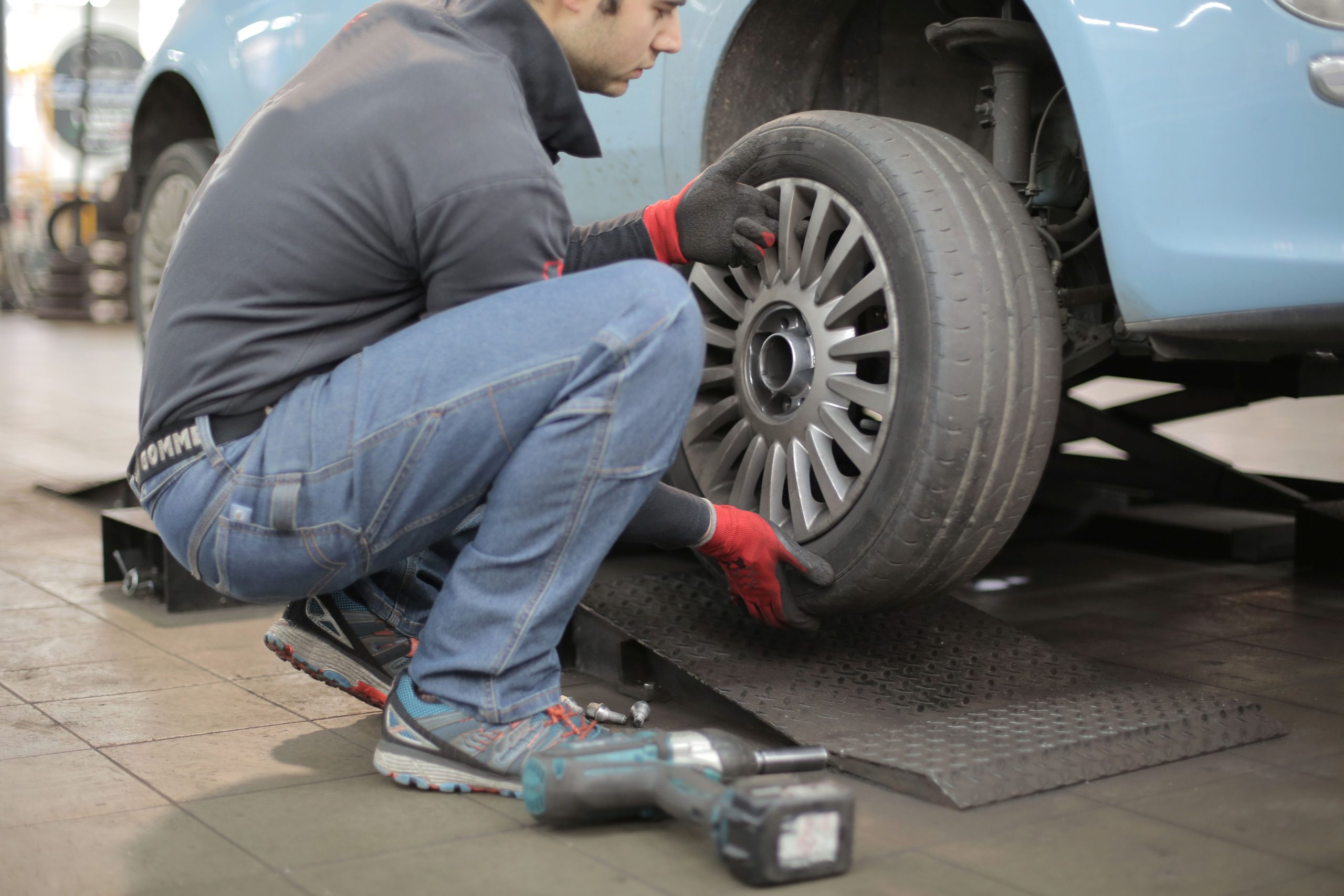
After drilling a hole into the center of the bolt, a screw extractor can typically remove it — start with a small drill bit and work your way up to avoid over-drilling and weakening the surrounding material (Sensible Digs). This method requires more precision than the previous options, since an off-center hole or a broken extractor bit left inside the bolt can complicate the repair significantly.
If a rusted rather than just stripped bolt is your actual problem, our guide on how to remove rusted bolts covers the penetrating-oil-first approach that’s often the better starting point for corrosion specifically rather than stripped threads.
Method 5: Heat Application
Applying heat with a blowtorch helps expand the metal and break down corrosion that may be contributing to the bolt’s resistance, sometimes making an otherwise stuck bolt turn free with normal tools once cooled slightly and treated. Heat should be applied carefully and away from any flammable materials, fuel lines, or plastic components nearby — this method carries genuine fire risk if used carelessly in an engine bay.
Method 6: Welding a Nut (Last Resort)
For a truly stubborn bolt that resists every other method, welding a nut directly onto the damaged bolt head creates an entirely new surface to grip with a standard wrench. This is an advanced technique requiring welding equipment and skill, reserved for situations where every gentler method has already failed.
Frequently Asked Questions
What causes a bolt to become stripped in the first place?
Usually a combination of using the wrong size tool, applying excessive force, or working with a corroded bolt where the tool slips repeatedly under load — each slip rounds off the edges a bit more until the head no longer grips a standard socket properly.
Can penetrating oil help even with a stripped (not rusted) bolt?
It can still help if corrosion is contributing to the resistance alongside the stripping, but penetrating oil alone won’t restore a rounded-off head’s shape — it addresses stuck threads, not physical damage to the grip surface.
Is it worth buying a full extractor socket set, or just one size?
A full set is generally worth the investment if you do your own mechanical work regularly, since stripped bolts come in varying sizes and having the right extractor on hand saves significant time compared to a single-size purchase.
When should I stop trying DIY methods and call a professional?
If you’ve tried the extractor socket, filing, and cutting methods without success, or if the bolt is in a critical structural or safety-related location, professional extraction avoids the risk of further damaging the surrounding component or breaking a drill bit inside the hole.
The Bottom Line
Removing a stripped bolt works best as an escalation: extractor socket first, then filing, cutting a slot, drilling with a screw extractor, heat, and welding a nut as the true last resort. Starting gentle and only escalating when needed protects the surrounding component from unnecessary damage while still giving you a real path to removal even on a badly stripped fastener.
Dealing with a stubborn bolt in a spot you’re not comfortable working on? Contact San Diego Bumper and Collision for professional help.