Remove paint scuff from your car by first washing and drying the affected area, since dirt and debris left in place can scratch the bumper while you work. If the scuff only damaged the clear coat, it often disappears entirely when water is applied — meaning you can buff it out with no further repair needed. For genuine paint transfer, work a small amount of rubbing compound into the area with a soft microfiber towel, using gentle pressure since compound is mildly abrasive. A clay bar handles rubber transfer specifically, and non-gel toothpaste works as a surprisingly effective quick fix for shallow, light surface scuffs.
Here’s how to tell what kind of mark you’re actually dealing with, the right method for each type, and why pressing too hard is the single biggest risk in this process.
Key Takeaways
- Test with water first — a mark that disappears when wet is often just clear coat scuffing, not actual paint transfer.
- Rubbing compound handles minimal paint transfer on a painted bumper, applied gently with a microfiber towel.
- A clay bar is the right tool for rubber transfer specifically, distinct from actual paint-on-paint transfer.
- Pressing too hard removes your car’s paint along with the scuff — gentle, patient technique matters more than product strength.
Diagnose Before You Treat
Before attempting any removal, wash and dry the vehicle, or at least the affected area, with soap and water — dirt and debris can scratch your bumper if you start working on a dirty surface (CARSTAR). Once clean, assess the actual damage: if the scuff only damaged the clear coat, it’ll generally disappear when water is applied, meaning you can buff it out with no further repairs needed. This distinguishes a superficial clear coat scuff from genuine paint transfer, which requires the more involved compound-based process below. Our guide on how to get paint off a car covers the fuller escalation ladder for more severe transfer that this lighter, quicker-fix guide doesn’t fully address.
Rubbing Compound for Minimal Paint Transfer
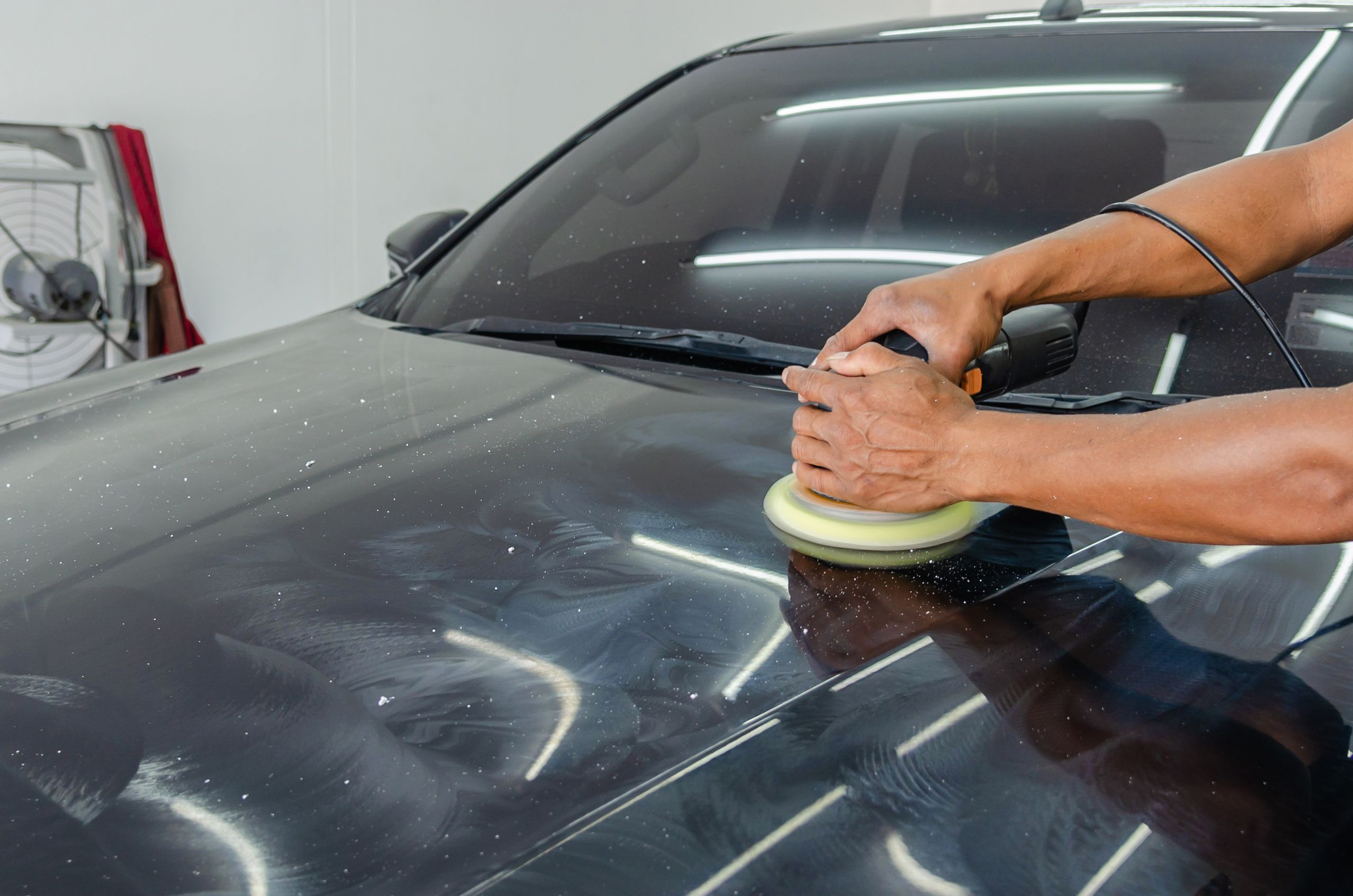
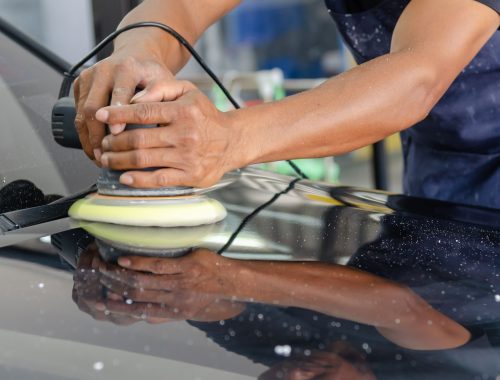
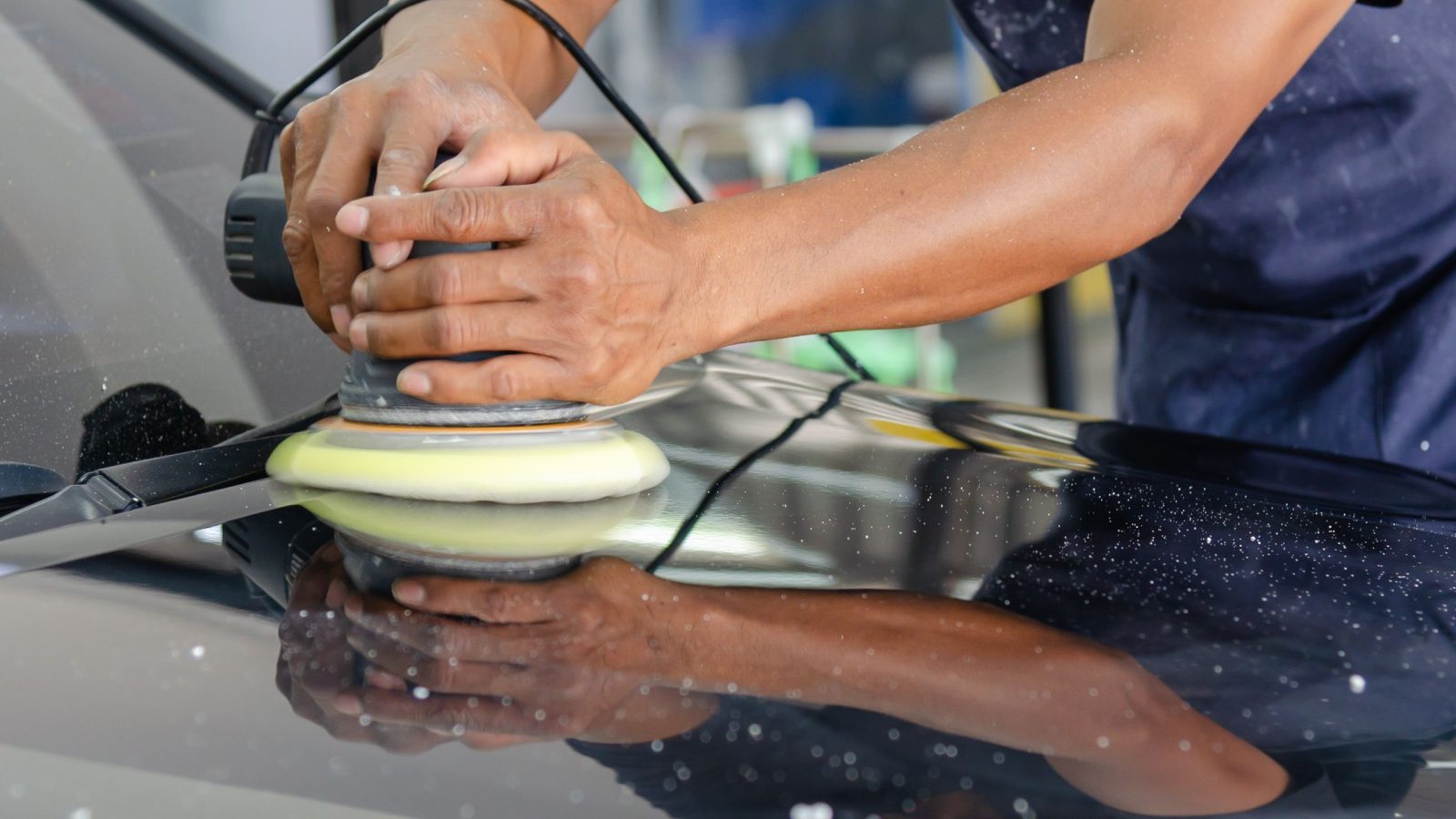
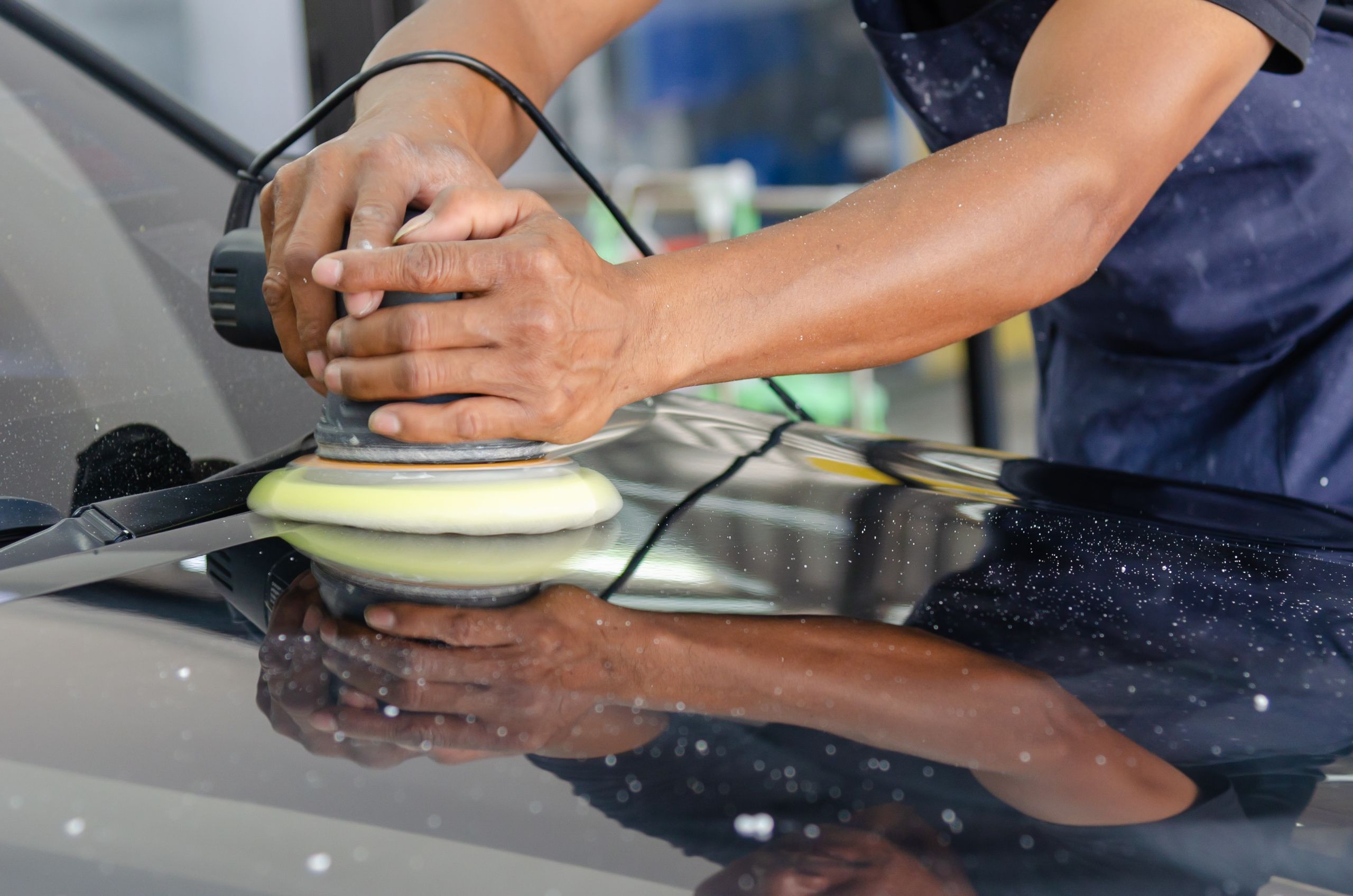
Rubbing compound works well if paint transfer is minimal and you’re working on a painted bumper surface — apply it with a soft microfiber towel, gently working the paste into the affected area (Stoner Car Care). Use only a small amount and stay gentle throughout, since compound is mildly abrasive by design. If you rub too hard, you risk removing not just the paint transfer but your car’s own paint along with it — this is exactly why a soft microfiber cloth and light, patient pressure matter more than trying to muscle the mark out quickly.
Clay Bar for Rubber Transfer
Clay bars are one of the most efficient ways to remove rubber, water spots, metal dust, road grit, and paint transfer from a car’s clear coat (Hypercarcare). Spray the detailer that comes with the clay bar kit onto the affected rubber transfer, then use the clay bar to wipe the area back and forth. This method is particularly effective for the kind of black rubber scuffing that comes from parking too close to curbs or other bumpers, which is chemically different from actual paint-on-paint transfer. Our guide on how to clay your car covers the broader technique this scuff-specific application draws from.
Lightweight Fixes and Dedicated Products
Non-gel toothpaste works as a genuinely effective quick fix for shallow, light surface scuffs — it’s easy, affordable, and surprisingly capable for minor marks, though it’s best reserved for the lightest category of scuffing rather than anything with real paint transfer involved. For a more dedicated approach, products made specifically for paint scuffs, like TriNova, Meguiar’s ScratchX, or 3M Scratch Remover, are formulated to handle this exact problem more reliably than household substitutes.
Frequently Asked Questions
How can I tell if a scuff is rubber transfer or actual paint transfer?
Rubber transfer typically appears as a black, slightly waxy mark that often responds well to a clay bar, while paint transfer carries a visible color that matches whatever surface it came from and generally needs rubbing compound instead.
Is it safe to use these methods on a car with a ceramic coating?
Light methods like a clay bar are generally safe, but compound and abrasive products can affect the coating — check whether your specific coating requires a gentler approach before using anything abrasive.
Can scuff marks be prevented with parking sensors or bumper guards?
Yes — both reduce the close-contact parking situations that cause most rubber and paint transfer scuffs in the first place, making them a reasonable investment if scuffing happens often.
When should a scuff be handled by a professional instead of DIY?
If the mark doesn’t respond to gentle compound or clay bar treatment, or if you suspect actual paint damage beneath the transfer, professional assessment prevents making the damage worse through repeated DIY attempts.
The Bottom Line
Removing paint scuff from your car starts with figuring out what you’re actually dealing with — a water test separates simple clear coat scuffing from real paint transfer — then matching the method: rubbing compound for paint, a clay bar for rubber, or toothpaste for the lightest marks. Gentle, patient technique protects your car’s actual paint while still getting the scuff out.
Dealing with a stubborn scuff that won’t come out? Contact San Diego Bumper and Collision for a professional assessment.