Remove spray paint from your car by starting with the gentlest method that might work and escalating only if needed: a clay bar for light overspray that feels like a rough texture, rubbing compound worked gently in circular motions for thin spray paint layers, or diluted isopropyl alcohol (70% or less) on a microfiber cloth for fresher marks. Act quickly — fresh spray paint is far easier to remove than paint that’s had time to cure and bond with the clear coat under sun and heat.
Here’s how to match the removal method to how bonded the paint actually is, and why acetone deserves real caution rather than being a first-choice solution.
Key Takeaways
- Fresh spray paint comes off far easier than cured paint — sun and heat bond it more tightly to the clear coat over time.
- Start with a clay bar for light overspray — it lifts bonded contaminants without scratching when used correctly.
- Rubbing compound works on thin paint layers but should be limited to small areas with light pressure.
- Avoid acetone as a first choice — it’s aggressive enough to strip clear coat if not used with extreme caution.
Matching Method to Severity
Clay Bar: The Safest First Attempt
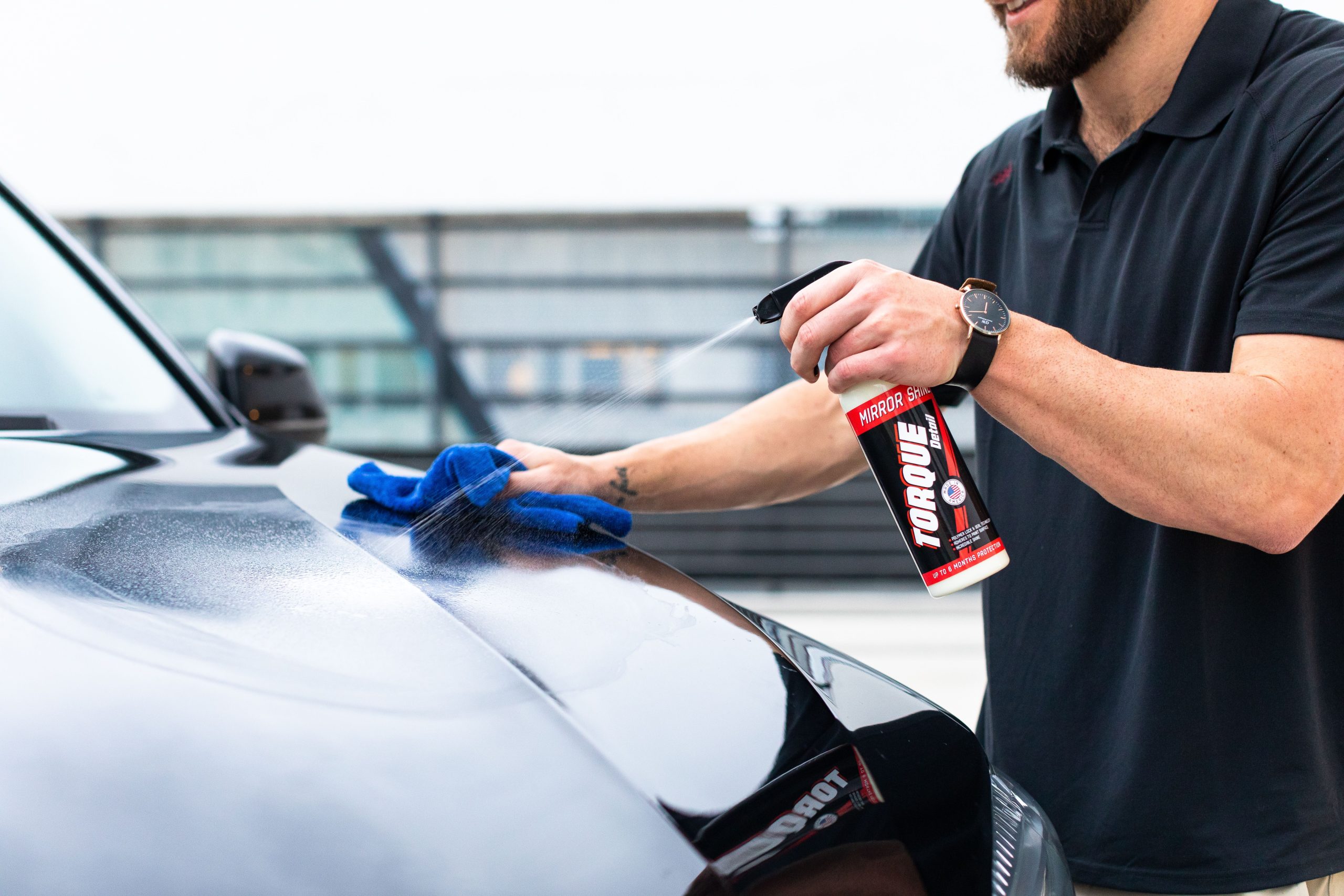
For light overspray that feels like a rough texture on the surface, a clay bar is often the first and safest solution — it removes bonded contaminants like overspray or paint specks without scratching when used with proper lubrication (Torque Detail). Spray clay lubricant or a quick detailer onto the affected area, gently rub the clay bar back and forth, then wipe clean and repeat as needed. Our guide on how to clay your car covers the full technique in more depth if this is your first time using one.
Rubbing Compound for Thin Paint Layers
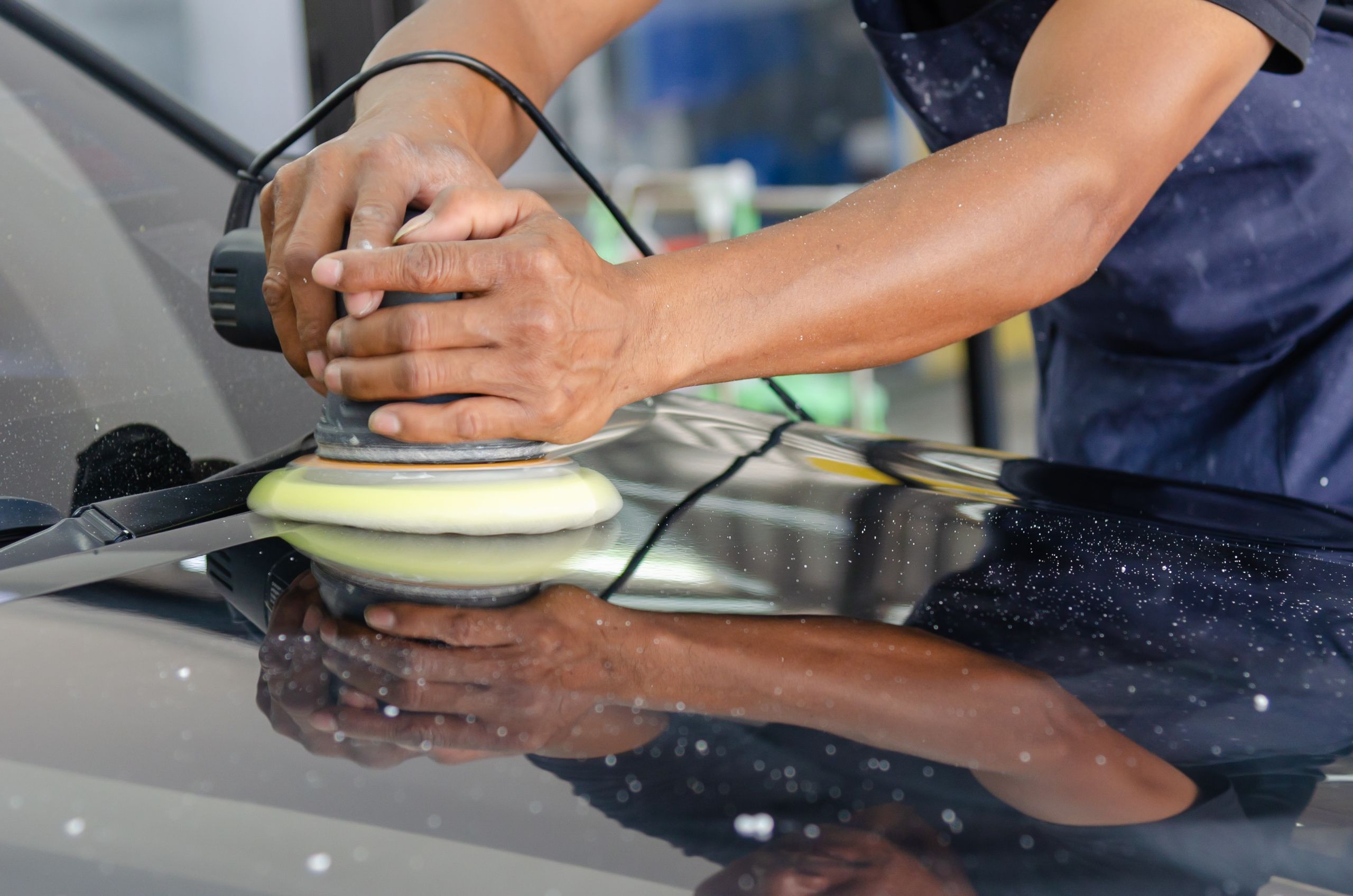
Rubbing compound can effectively remove thin layers of spray paint while also polishing the surface, and works best on small, targeted areas rather than broad coverage (Paint Fits). Apply a small amount to a microfiber pad and rub gently in circular motions, using light pressure to avoid cutting through the clear coat along with the paint. Our guide on choosing the right compound or polish covers matching product aggressiveness to the actual defect, which applies directly here.
Isopropyl Alcohol for Fresher Marks
Dilute isopropyl alcohol to 70% or less with water, apply it to a microfiber cloth — never directly onto the car — and gently rub the paint mark in circular motions before wiping clean and rinsing with water (Topline Auto Spa). This method works best on marks that haven’t had much time to cure, which is exactly why acting quickly after discovering vandalism or overspray genuinely improves your odds of a clean removal.
Why Acetone Needs Real Caution
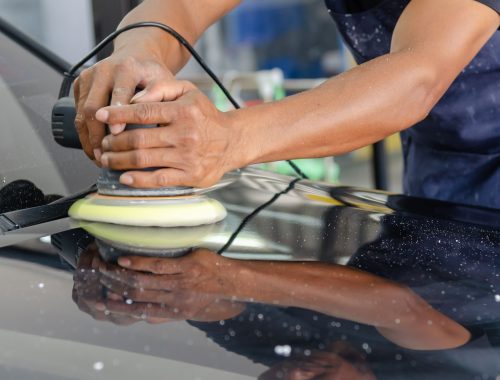
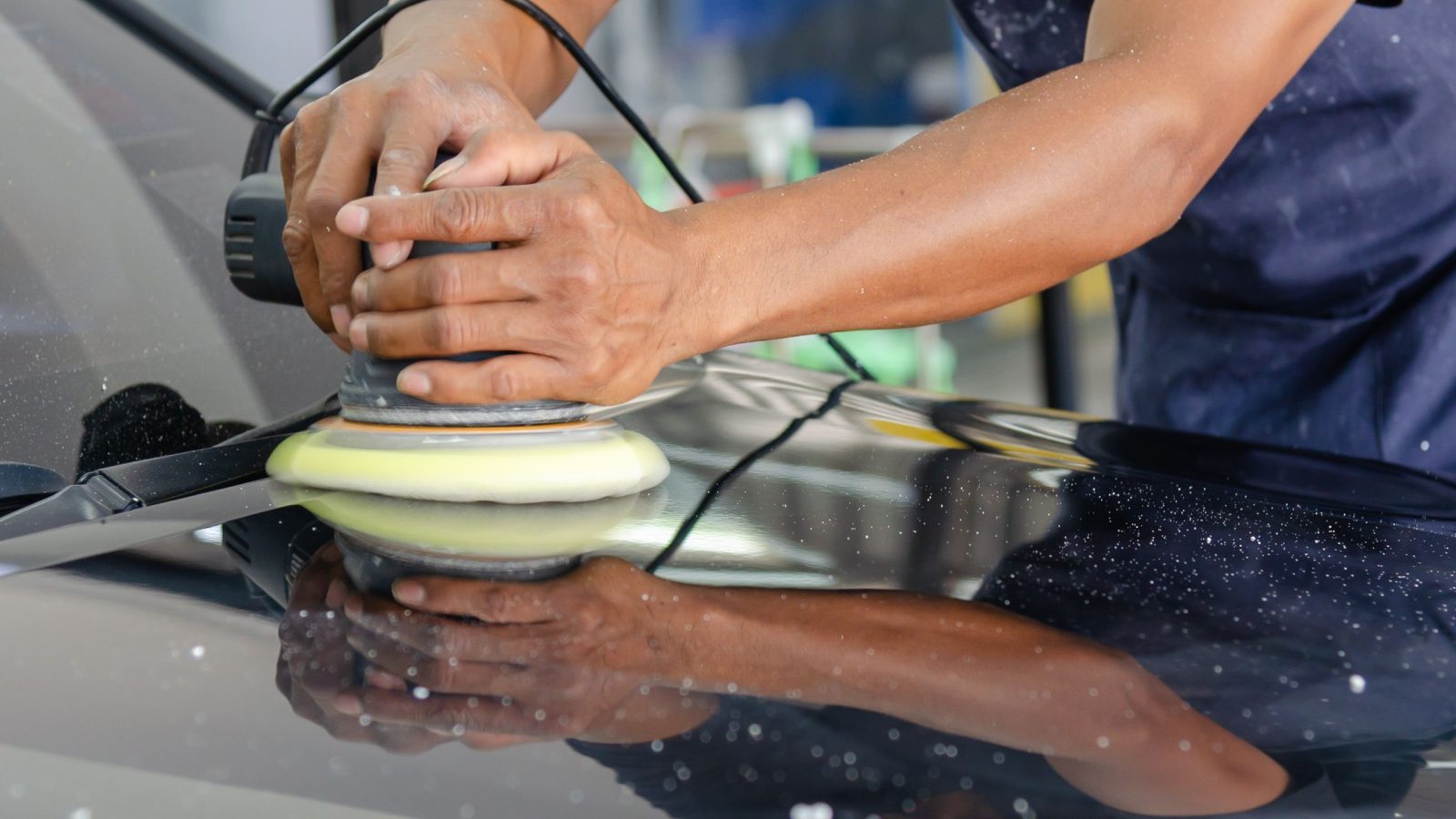
Using acetone on car paint is generally not recommended as a primary solution — it’s an aggressive solvent that can quickly strip your clear coat if not handled with extreme caution and restraint (Paint Fits). If diluted isopropyl alcohol, clay bar, and rubbing compound have all failed and the paint covers a large area or has bonded deeply into the clear coat, it’s genuinely worth seeking professional detailing services that use tools like orbital buffers and specialized cleaners rather than reaching for acetone as a last-resort home fix.
Frequently Asked Questions
Does the type of spray paint affect how easily it comes off?
Yes — enamel and lacquer-based spray paints tend to bond more aggressively than water-based formulas, and the exact type isn’t always identifiable, which is another reason to start with the gentlest method and escalate carefully.
Can spray paint removal damage a car’s factory clear coat permanently?
Yes, if overly aggressive methods or excessive pressure are used — this is exactly why the escalation order matters, starting gentle and only stepping up when a milder method genuinely isn’t working.
Is it worth filing a police report before attempting removal on vandalism?
Yes, generally — documenting vandalism with photos and a police report before cleanup can matter for insurance claims, so it’s worth doing that step before you start any removal attempt.
How long does spray paint take to fully cure on a car?
Typically within a few days under normal conditions, though heat and direct sun accelerate curing significantly, which is another reason prompt action meaningfully improves your removal odds.
The Bottom Line
Removing spray paint from your car comes down to matching the method to how bonded the paint actually is — clay bar for light overspray, rubbing compound for thin layers, diluted alcohol for fresh marks, and professional help for anything cured or covering a large area. Acting quickly and escalating gently, rather than reaching for the most aggressive product first, is what protects your clear coat through the process.
Dealing with vandalism or stubborn overspray you can’t remove yourself? Contact San Diego Bumper and Collision for a professional assessment.