
Wash a motorcycle by making sure it’s cool to the touch first, covering electrical connections to prevent water damage, then rinsing loose dirt with a gentle pressure washer or garden hose. Use a motorcycle-specific cleaner and wash mitt — never dish soap or harsh chemicals, which can strip protective coatings — working from the top down with two separate buckets to avoid recontaminating your wash water. Clean the chain with a dedicated chain cleaner, dry everything fully, lubricate the chain, then apply polish for protection and shine.
Here’s the full process, why motorcycles need meaningfully more caution around electrical components than cars, and the chain care step that’s easy to skip but shouldn’t be.
Key Takeaways
- Cover electrical connections before washing — motorcycles have more exposed electrical components than cars, making this step genuinely important, not optional.
- Never use dish soap or harsh chemicals — these strip protective coatings that motorcycle-specific cleaners are formulated to preserve.
- Use two buckets with dirt traps — one for soapy water, one for rinsing, to avoid dragging grit back onto the bike.
- Clean, dry, and lubricate the chain last — a wet, unlubricated chain left after washing accelerates wear and rust.
What to Protect Before You Start
Make sure your bike is cool to the touch before starting — washing a hot engine can cause water spots and potential damage to delicate surfaces, similar to the risk hot wheels carry during a car wash (Gtechniq). Cover electrical connections to prevent water damage, since motorcycles generally have more exposed wiring and connectors than a car’s more enclosed engine bay. It’s worth consulting your owner’s manual for manufacturer-specific recommendations, since certain models have unique guidance around washing that a generic process might miss.
Supplies and Washing Technique

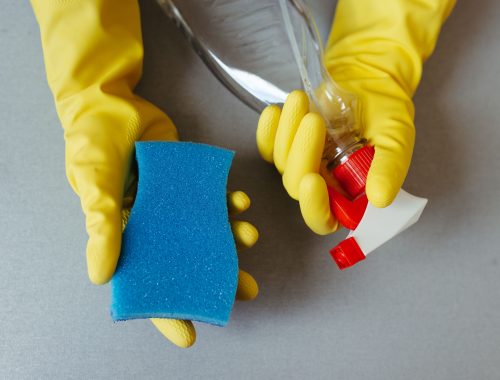
Choose a motorcycle-specific cleaner formulated to be gentle enough not to damage the bike’s finishes, and use microfiber cloths, which are soft and non-abrasive for both cleaning and drying without scratching (Chemical Guys). Set up two buckets with dirt traps — one for soapy water, one for rinsing your wash mitt — to avoid dragging grit back onto the bike, the same two-bucket principle that applies to car washing. Start by rinsing the bike with a gentle pressure washer or garden hose to remove loose dirt and grime, then mix cleaner with water and use the wash mitt to clean gently, starting at the top and working down, paying extra attention to areas with stubborn grime buildup.
Never use dish soap or harsh household chemicals — these strip the protective coating on the bike’s finishes in a way motorcycle-specific cleaners are formulated to avoid (TYCORUN). Pressure washers can be effective but require caution — high-pressure water can force moisture into delicate areas and damage electrical components or seals, so maintain a safe distance and use a lower pressure setting or a wide spray pattern rather than a concentrated stream.
Chain Care and Final Protection
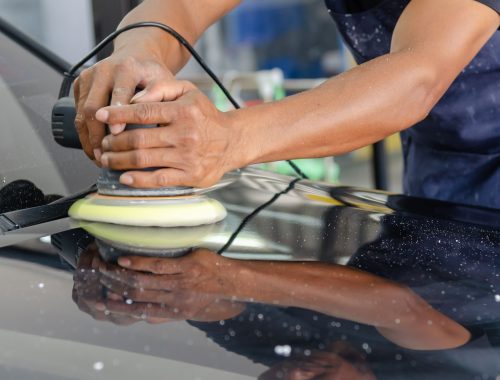
Use a motorcycle-specific chain cleaner to remove grime from the chain and sprocket area, and once the chain is squeaky clean and completely dry, apply motorcycle-specific lubricant — skipping this step or leaving the chain wet and unlubricated accelerates both wear and rust (RevZilla). Once the bike is fully dried off, apply polish to restore a showroom shine and add a protective layer against UV and general road exposure going forward.
Frequently Asked Questions
How often should a motorcycle be washed?
Roughly every one to two weeks for regular riders, or after any ride through rain, mud, or salted roads, since those conditions accelerate grime buildup and corrosion risk on exposed components.
Is it safe to wash a motorcycle in direct sunlight?
It’s better to wash in shade when possible — direct sun can cause cleaner and water to dry too quickly, leaving spots and residue similar to the streaking risk that affects car paint in the same conditions.
Can I use car wash soap on a motorcycle?
It’s safer to use a motorcycle-specific cleaner, since some motorcycle finishes and exposed metal components have different sensitivities than car paint, and a dedicated product is formulated with that difference in mind.
What’s the biggest mistake people make washing a motorcycle?
Spraying high-pressure water directly at electrical connectors, bearings, or seals is one of the most common and costly mistakes — it looks harmless in the moment but can cause corrosion or component failure that shows up well after the wash.
The Bottom Line
Washing a motorcycle safely comes down to letting it cool first, covering electrical connections, using motorcycle-specific cleaner with gentle technique, keeping pressure washers at a safe distance from sensitive components, and finishing with proper chain care and polish. The extra caution around electrical and mechanical exposure is what genuinely separates motorcycle washing from a standard car wash routine.
Prefer to have your motorcycle detailed professionally? Contact San Diego Bumper and Collision to ask about our services.