
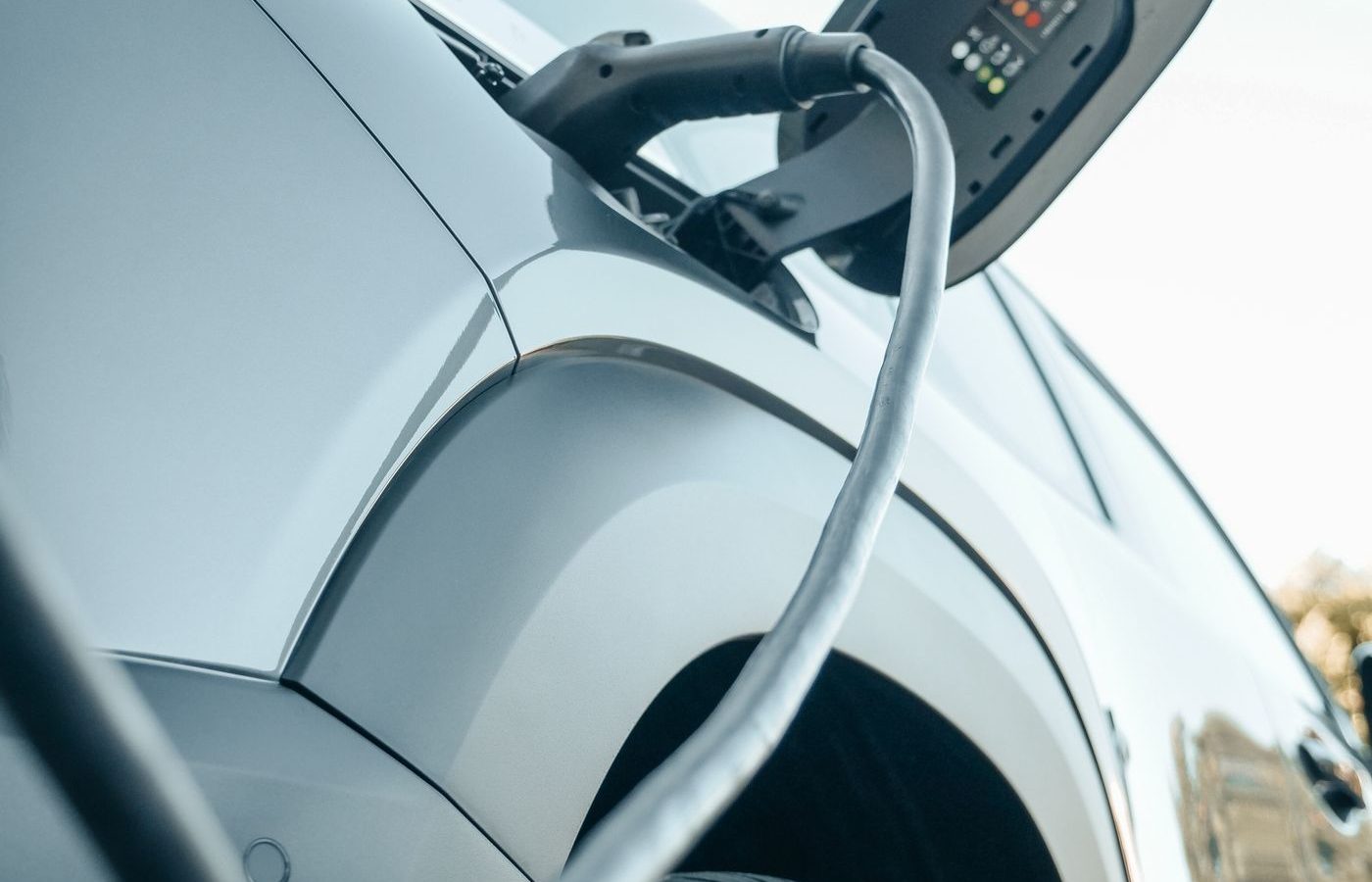
Installing a Level 2 EV charger at home typically costs $1,000 to $2,500 all-in — hardware, labor, and permit — with most homeowners landing around $1,200 to $1,800. The number swings widely depending on one factor above all others: whether your electrical panel has room for a new 240V circuit, or needs an upgrade first.
If your panel has capacity, you’re looking at the lower end of that range. If it doesn’t, a panel upgrade alone can add $1,500 to $4,000 and roughly double the total bill.
Key Takeaways
- Typical all-in cost: $1,000-$2,500, with most homeowners paying $1,200-$1,800.
- Charger hardware: $300-$650. Everything else is the 240V circuit, breaker, conduit, labor, and permit.
- Panel upgrade (if your service can’t support the new circuit): adds $1,500-$4,000 — the single biggest cost swing in this whole project.
- The federal 30C tax credit (up to $1,000, 30% of cost) expired June 30, 2026 — it is no longer available for new installations.
Level 2 Charger Installation Cost Breakdown
| Component | Typical cost |
|---|---|
| Charger unit (hardware) | $300-$650 |
| 240V dedicated circuit (wire, breaker, conduit) | $300-$1,000 |
| Labor | $400-$1,200 |
| Permit and inspection | $50-$800 (varies heavily by jurisdiction) |
| Panel upgrade, if needed (100A to 200A service) | +$1,500-$4,000 |
Typical all-in total (no panel upgrade needed): $1,000-$2,500. These component ranges don’t simply add up to that total — a job rarely lands at the maximum of every line item at once, and low-cost and high-cost components tend to correlate (a straightforward job runs low across the board; a complex one runs high across the board). Treat the individual rows as showing where the money goes, and the “$1,000-$2,500” figure as the number to actually budget around.
Figures compiled from published 2026 installation cost guides (Qmerit; The Garage Guide). As with most home electrical work, exact pricing depends heavily on your local labor rates, permit fees, and the distance between your panel and where the charger is mounted.
Plug-In vs. Hardwired: The Two Install Types
Plug-in installation. If you already have (or can easily add) a 240V outlet — the same type used for a dryer or range — a compatible Level 2 charger simply plugs into it. This is the cheapest path, often $400-$700 when the outlet already exists, since you’re skipping the hardwiring labor entirely.
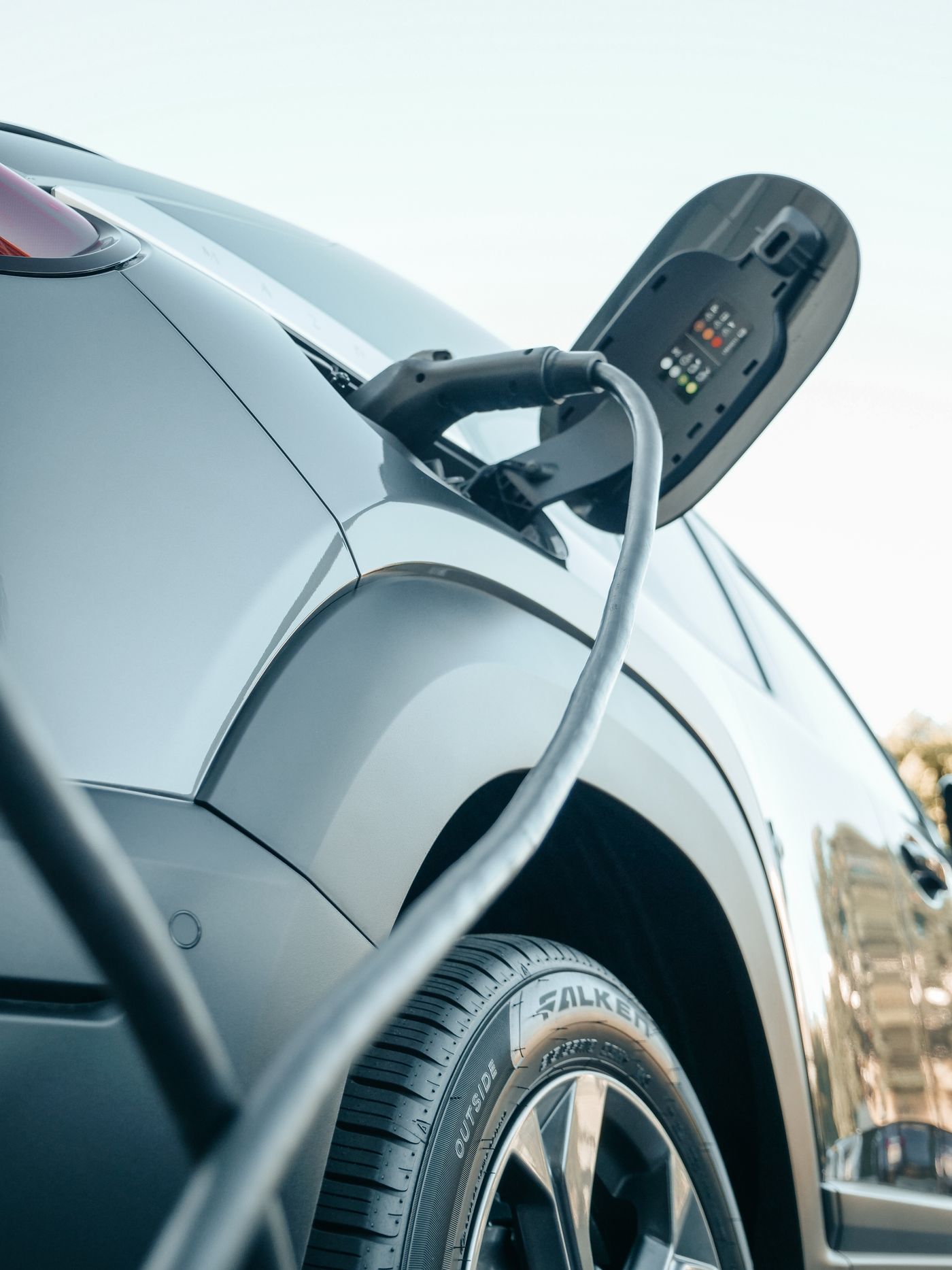
Hardwired installation. The charger is wired directly into a dedicated circuit with no outlet in between. This is the more common setup for a purpose-installed home charger, typically running $1,000 to $2,200 for the unit and labor combined. Hardwired installs are generally considered more durable for daily heavy use and are what most charger manufacturers recommend for the fastest charging speeds their unit supports.
The National Electrical Code (NEC) Article 625 requires a dedicated 240V circuit for any Level 2 EV charger — you can’t share the circuit with other loads, which is part of why this isn’t a simple DIY outlet swap for most homes.
The Panel Upgrade Question: The Biggest Cost Swing
This is the single factor most likely to double your bill, and it’s worth understanding before you get a quote.
Your home’s electrical panel has a maximum capacity — commonly 100A or 200A for a residential service. Adding a Level 2 charger, which typically draws 30-50 amps continuously, requires enough spare capacity on that panel. If your panel is already near its limit from AC, an electric range, a pool pump, and everything else in the house, there may not be room for the charger’s circuit without upgrading.
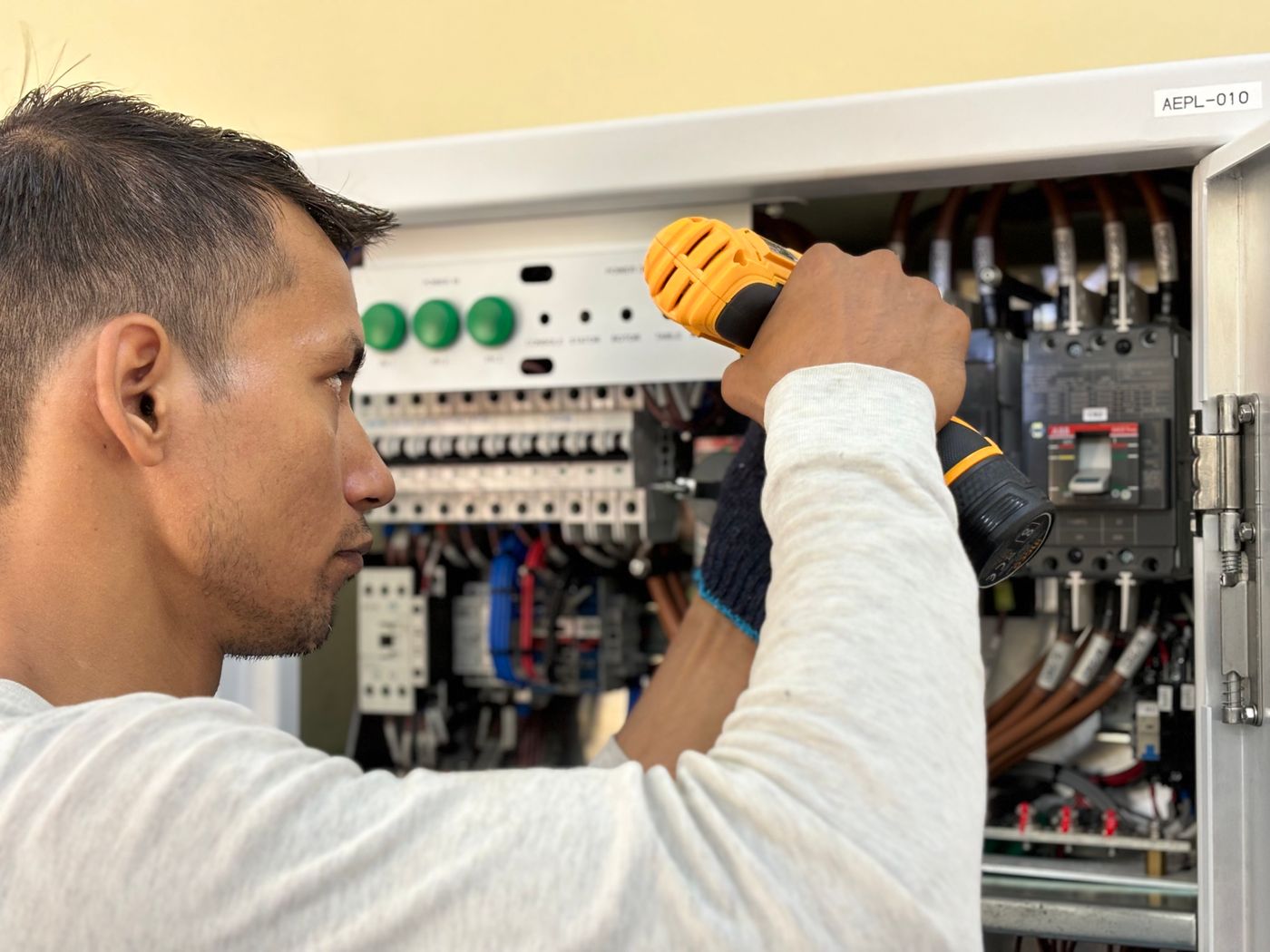
A full 100A-to-200A panel upgrade adds $1,500 to $4,000 to the project — utility coordination, new panel hardware, and often a permit and inspection specific to the panel work itself, separate from the charger permit.
There’s often a cheaper alternative: a load management device. These devices (roughly $300-$500) monitor your home’s total electrical draw in real time and can throttle the charger’s output when other big loads are active, allowing you to add a Level 2 charger without a full panel upgrade in many cases. It’s worth asking your electrician to evaluate this option before assuming you need a $1,500+ panel replacement — it’s a materially cheaper way to solve the same capacity problem in a lot of homes.
Do You Need a Permit?
In most jurisdictions, yes. Installing a new dedicated circuit or hardwiring a charging station is electrical work that typically requires a permit and inspection, and permit costs vary enormously by location — commonly $50 to $800. Skipping a required permit isn’t just a compliance issue; unpermitted electrical work can complicate a home sale or an insurance claim later, and it means the work was never inspected for code compliance.
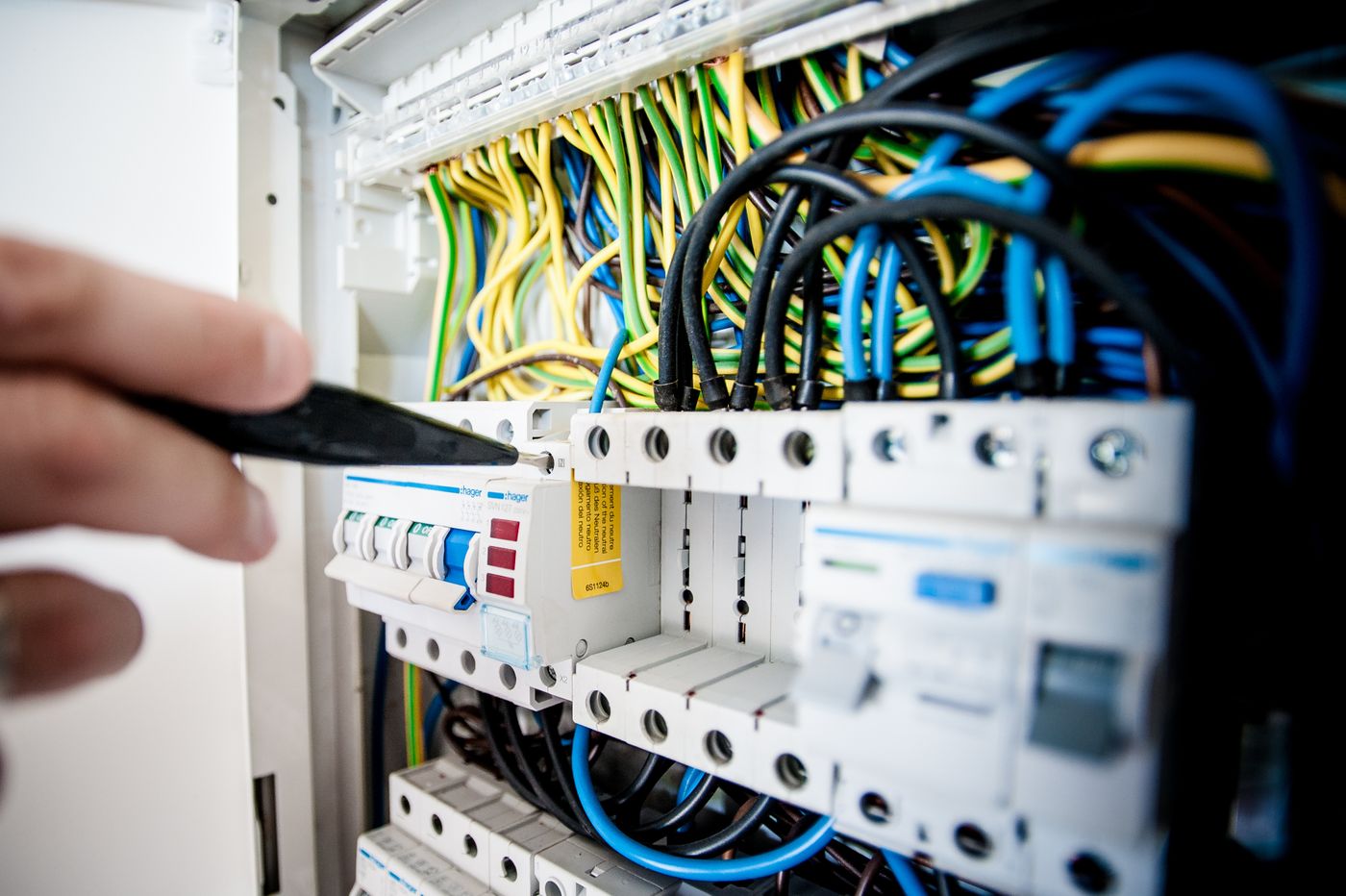
A licensed electrician handling your install should pull the permit as part of the job — if a quote doesn’t mention one, ask directly whether it’s included.
Incentives: What’s Actually Still Available
This is an area where information goes stale fast, so verify current status before assuming a credit applies to your project.
The federal Section 30C tax credit — 30% of hardware and installation cost, up to $1,000 for homeowners — expired June 30, 2026 under the One Big Beautiful Bill Act. Chargers placed in service (installed and operational, not just ordered or scheduled) after that date are no longer eligible. If you installed before the deadline, you may still be able to claim it on your taxes for that year; new installs going forward cannot.
Utility and state programs are a separate, moving target. In San Diego, SDG&E has run various residential EV incentive programs, and rate plans like EV-TOU-5 offer significantly cheaper overnight charging rates for EV owners regardless of any upfront rebate. Program availability and rebate amounts change year to year, so check SDG&E’s current EV incentives page directly rather than relying on a number that may already be outdated by the time you read this.
What Drives the Price Beyond Hardware and Panel Capacity
- Distance from panel to charger location. More conduit run and more labor if your panel is on the opposite side of the house from where you park.
- Indoor vs. outdoor mounting. Outdoor installs often need weatherproof conduit and enclosures, adding modest cost.
- Charger amperage/speed tier. A charger capable of higher amperage costs somewhat more and may require heavier gauge wire, though the jump from a basic to a premium unit is usually a few hundred dollars, not a major cost driver.
- Local labor rates and permit fees. These vary more by region than almost any other line item in the project.
- Trenching, if the charger location requires running conduit underground (for a detached garage, for instance) — this can add a meaningful amount depending on distance and surface type.
Frequently Asked Questions
Can I install a Level 2 charger myself to save money?
The charger mounting itself isn’t complicated, but the electrical work — running a dedicated 240V circuit, sizing the breaker correctly, and often pulling a permit — is not a typical DIY project unless you’re a licensed electrician. Incorrect installation is a fire and shock risk, and unpermitted work can cause problems later with insurance or home resale. Most homeowners hire a licensed electrician for this specific reason.
How much does it cost if my panel is already maxed out?
Expect the panel upgrade itself to add $1,500-$4,000 on top of the base installation cost, potentially bringing the total project well past $4,000. Ask your electrician whether a load management device ($300-$500) could solve the capacity problem instead — it’s often a substantially cheaper fix than a full panel replacement.
Is the federal EV charger tax credit still available?
No. The Section 30C federal tax credit, worth up to $1,000 (30% of cost) for homeowners, expired June 30, 2026. It cannot be claimed for chargers installed after that date. Check state and utility-level programs separately, since those operate independently of the federal credit and change on their own schedule.
How long does a Level 2 charger installation take?
A straightforward install with an adequate panel typically takes a few hours to a full day. If a panel upgrade is required, that’s a larger separate job, sometimes requiring utility coordination and scheduling that can add days to weeks to the overall timeline.
Do I need a permit for a plug-in charger if I’m not hardwiring it?
Often still yes, if you’re adding a new 240V outlet or circuit to support it — the permit requirement typically attaches to the electrical circuit work, not specifically to whether the final connection is hardwired or plugged in. If you’re using an outlet that already exists and was previously permitted, you may not need a new one. Confirm with your local building department or electrician.
The Bottom Line
Budget $1,000-$2,500 for a typical Level 2 home charger installation, and treat your panel’s spare capacity as the make-or-break variable — it’s what separates a straightforward $1,200 job from a $4,000+ project with a panel upgrade attached. Ask about load management devices before agreeing to a full panel replacement.
The federal tax credit that used to offset this cost expired June 30, 2026, so price the project on its own merits rather than assuming a rebate will apply.
If you’re setting up home charging because you’re driving an EV daily, that’s also worth pairing with routine attention to your car’s body and paint condition — daily-driven EVs rack up the same rock chips, door dings, and parking-lot dents as any other vehicle. Contact San Diego Bumper and Collision if yours needs a look.