Protect new car paint by combining paint protection film (PPF) on high-impact panels — hood, fenders, front bumper, mirrors — with a ceramic coating over the entire vehicle. PPF provides true physical impact absorption against rock chips that no chemical product can match, while ceramic coating adds hydrophobic, UV, and chemical resistance across the whole car. Wax offers a quick cosmetic shine but lasts only a few weeks and shouldn’t be relied on as serious protection for a brand-new finish — the consensus among detailers is that waxing alone is a cosmetic enhancement, not real protection.
Here’s how PPF, ceramic coating, and wax each protect differently, why combining PPF and ceramic coating is the strongest approach for a new car, and where wax still fits into the picture.
Key Takeaways
- PPF is the only option that stops rock chips — ceramic coating and wax are chemical layers that can’t absorb physical impact.
- Ceramic coating lasts 2-9 years professionally applied, delivering strong UV, chemical, and hydrophobic protection.
- Wax lasts only weeks and fades faster under intense sun, making it a shine enhancer rather than genuine protection.
- The strongest new-car setup combines PPF on impact zones with full-vehicle ceramic coating.
What Each Protection Type Actually Does
Why PPF Matters for a Brand-New Finish
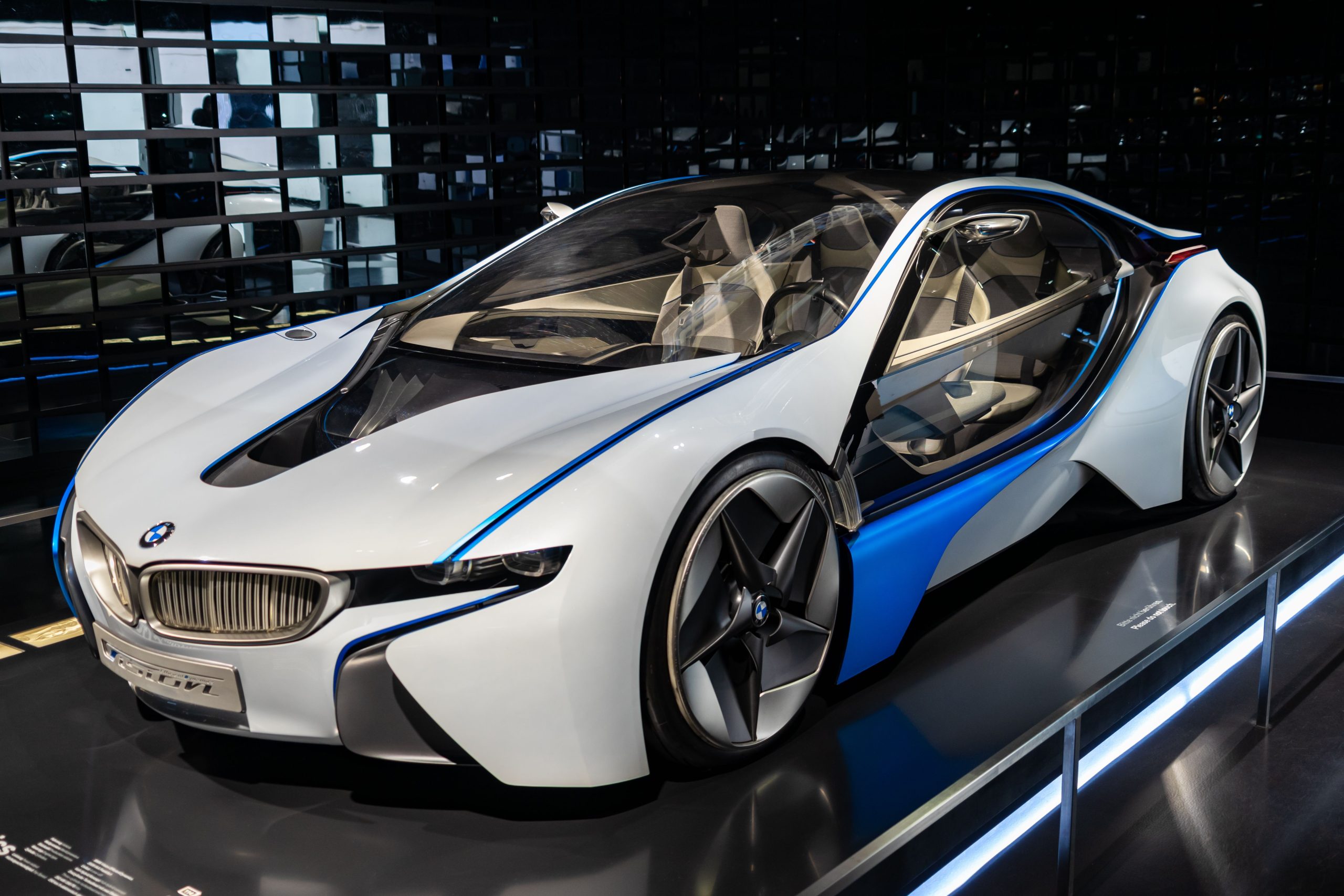
PPF provides true impact absorption — a ceramic coating might resist a light swirl mark from a bad wash job, but it will not stop a rock chip, since only a physical film can do that (LuxeWash). This distinction matters most on a genuinely brand-new car, where the paint has never been chipped and the owner has the most to lose from that very first stone hitting the hood on the highway. Applying PPF specifically to high-impact panels — hood, fenders, front bumper, mirrors — targets protection exactly where rock chips actually occur, rather than spending on film coverage for panels that rarely take direct hits.
Ceramic Coating for the Rest of the Vehicle
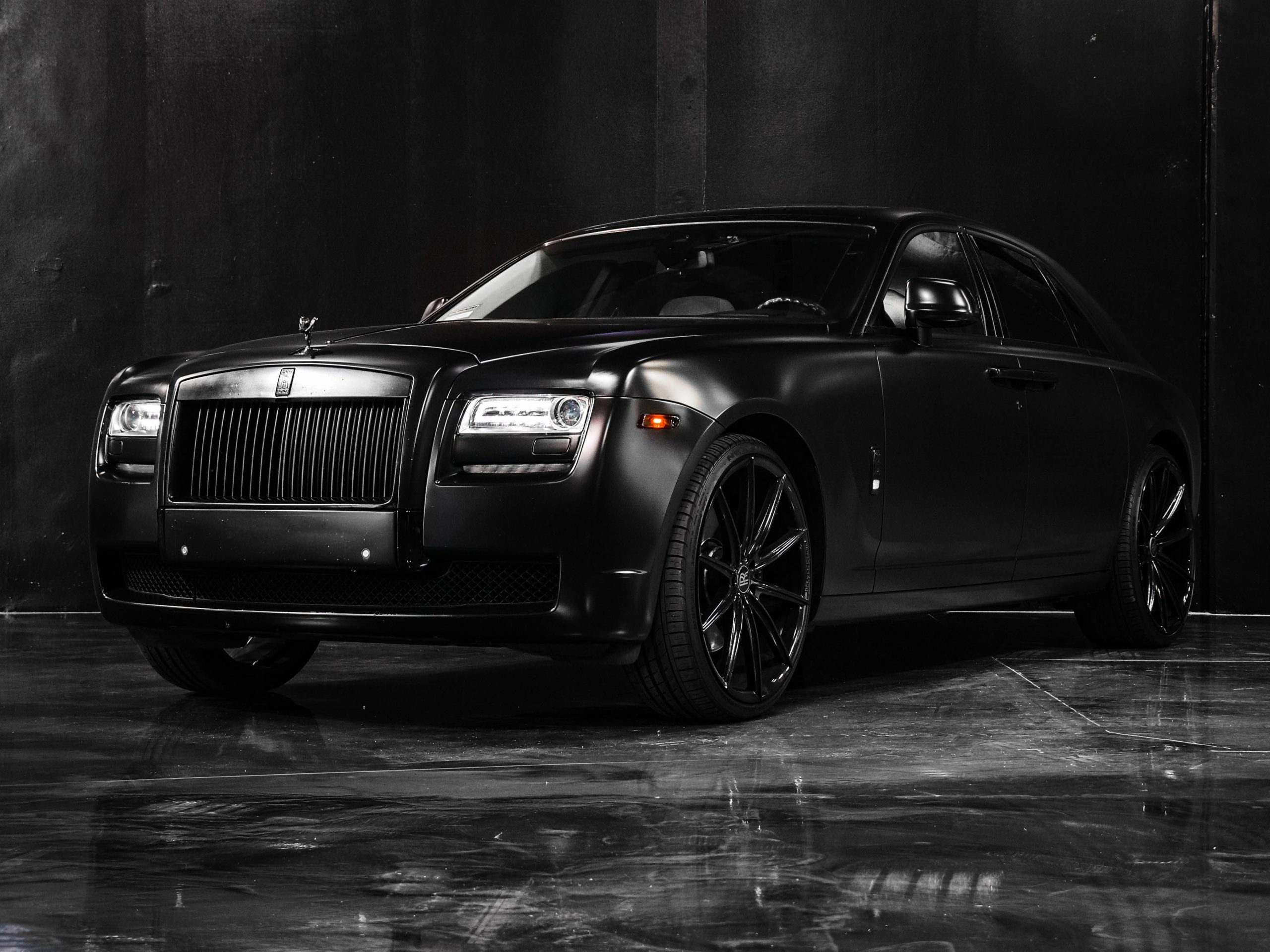
A professional ceramic coating lasts anywhere from 2 to 9 years, forming a glass-like shell that’s genuinely effective at preventing the micro-scratches and swirl marks that come from washing and drying — but it’s a microscopic layer offering almost no real protection against rock chips. This is exactly why ceramic coating and PPF are complementary rather than competing options: PPF handles physical impact, ceramic coating handles chemical exposure, UV fading, and washing-related micro-scratching across the rest of the vehicle. Our guide on applying a ceramic coating covers the application process for the full-vehicle layer this combined approach relies on, and our guide on how to prep for ceramic coating covers the surface prep that matters even more on freshly delivered paint.
Where Wax Still Fits
Traditional wax lasts only a few weeks, and even good sealants fade within a couple of months, faster under intense sun exposure. This doesn’t make wax useless — it’s a reasonable cosmetic topper on top of a coating for owners who enjoy the extra gloss and ritual of reapplication — but it shouldn’t be relied on as the primary protection strategy for a new car’s paint. Our guide on ceramic coating vs. wax covers this durability gap in more depth if you’re deciding between the two as a standalone choice rather than layering wax on top of a coating.
Frequently Asked Questions
How soon after delivery should new car paint protection be applied?
As soon as reasonably possible — many new cars arrive with factory clear coat that hasn’t fully cured or with dealer-applied wax residue that needs removing before PPF or ceramic coating can bond properly, so early professional assessment matters.
Does PPF need to be replaced eventually?
Yes — quality PPF typically lasts 5-10 years depending on the product and conditions, after which it can yellow or show wear and generally needs replacement to maintain both protection and appearance.
Is PPF plus ceramic coating worth the cost for an average, non-luxury new car?
It depends on how long you plan to keep the vehicle and how much resale value matters to you — for owners keeping a car long-term or prioritizing appearance, the combined investment often pays off in reduced touch-up and correction costs down the road.
Can ceramic coating be applied directly over PPF?
Yes — this is actually a common and recommended combination, since the ceramic coating adds hydrophobic and gloss benefits on top of the film’s physical protection, without interfering with either product’s function.
The Bottom Line
Protecting new car paint at its best comes down to combining PPF on high-impact panels with a full-vehicle ceramic coating — physical protection where rocks actually hit, chemical and UV protection everywhere else. Wax remains a fine cosmetic addition on top of that foundation, but shouldn’t carry the protection load on its own for a car this new.
Want your new car professionally protected from day one? Contact San Diego Bumper and Collision for a quote.