Sway bar link replacement costs $60 to $200 per side at most independent shops, or $180-$500 to do both sides at once. The part itself is cheap — $20-$80 for an aftermarket link, $80-$150+ for OEM or heavy-duty — and the job is quick: 0.5-1.5 hours per pair when the hardware isn’t seized.
Here’s the full cost breakdown, the clunk that gives a bad link away, and what it takes to do the job yourself.
Key Takeaways
- Shop cost: $60-$200 per side, or $180-$500 to replace both at once — often cheaper than two separate visits.
- Parts are inexpensive: $20-$80 aftermarket, $80-$150+ for OEM or heavy-duty links.
- A clunk over bumps and potholes that disappears on smooth pavement is the signature symptom — squeaking in turns usually points to a bushing instead.
- This is one of the easier DIY suspension jobs — two bolts per side, no alignment needed — unless rust has seized the hardware.
Sway Bar Link Replacement Cost Breakdown
| Option | Typical cost | Notes |
|---|---|---|
| DIY (parts only, per side) | $20-$60 | Aftermarket link, your own labor |
| Shop, one side | $60-$200 | $120-$160 is typical at most independent shops |
| Shop, both sides | $180-$500 | Usually cheaper than paying for two separate labor visits |
Figures compiled from 2026 cost guides (AutoNation Mobile Service; AmpAuto; TheCostGuys, retrieved July 2026). Front links are usually the pricier side to labor, since they sit closer to steering components and sometimes need more disassembly than the rear.
Signs of a Bad Sway Bar Link
- Clunking or knocking over bumps and potholes — the classic symptom, caused by loosened joints or worn bushings letting parts strike each other.
- The noise disappears on smooth pavement and comes back on rough or uneven roads, which helps rule out other suspension noises.
- Excessive body roll or an unsettled feeling when cornering or changing lanes, since the sway bar’s job is lateral stability.
- Uneven tire wear from weight shifting to the outer edge of the tire during turns.
One useful diagnostic rule: clunking over bumps usually means a bad link, while squeaking specifically during turns more often points to a worn bushing instead (MOOG Parts). Similar-sounding suspension noises have other causes too, so a proper inspection is worth it before you buy parts.
Is DIY Worth It?
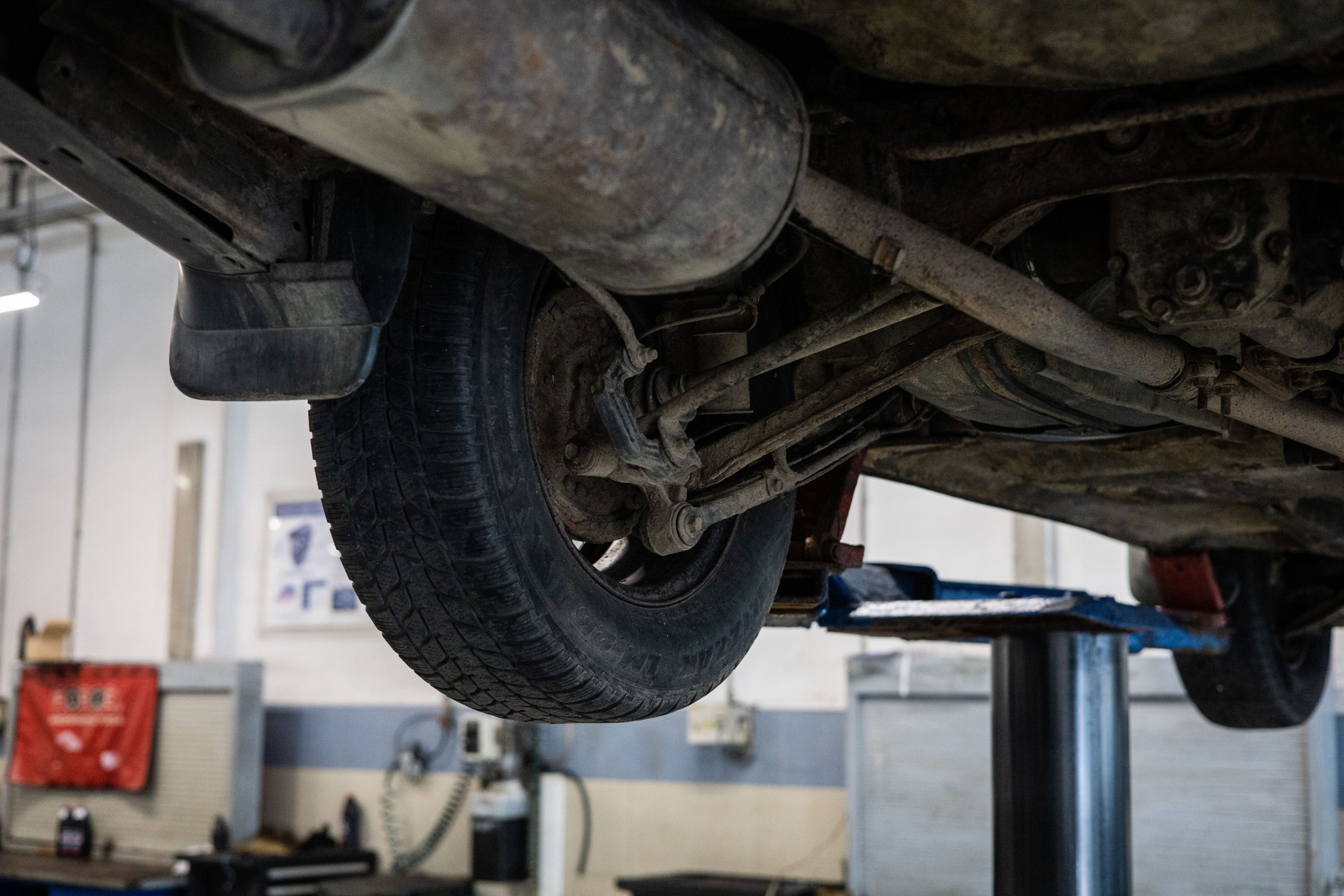
For most vehicles, yes — this ranks among the easier suspension jobs: typically two bolts per side and no alignment required afterward, unlike a tie rod replacement. Budget 30-60 minutes per side if the hardware isn’t seized.
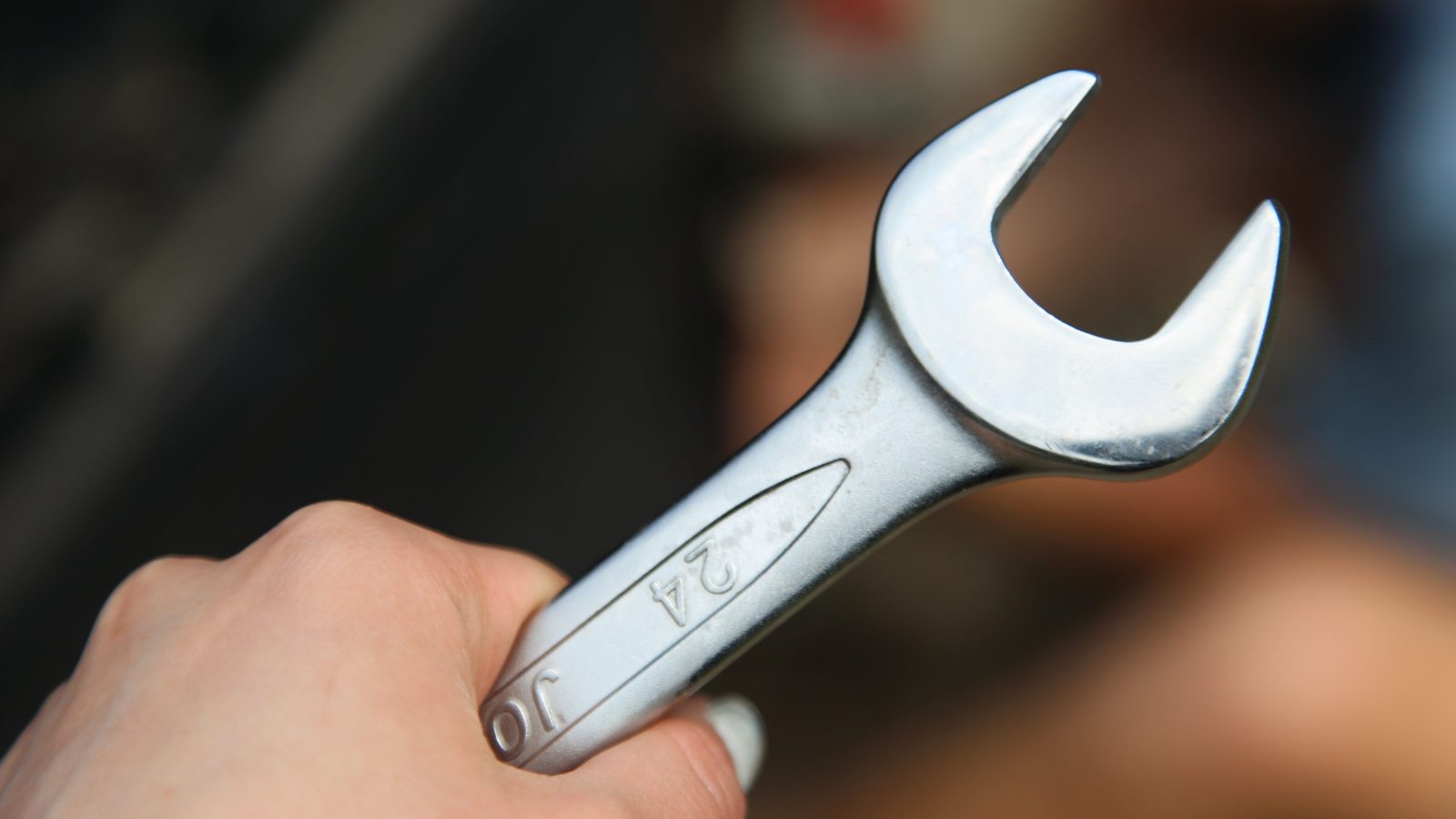
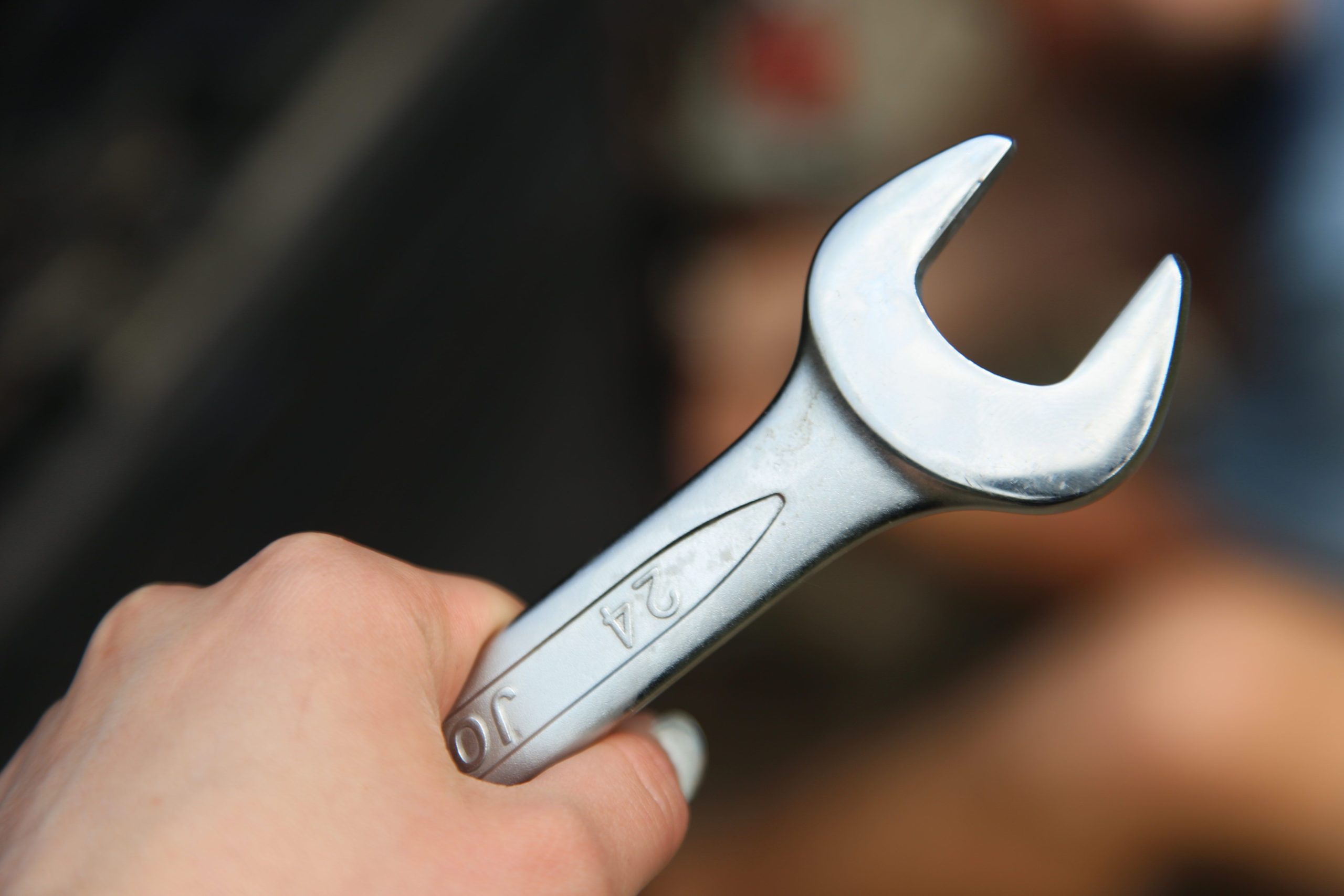
You’ll need a floor jack, jack stands, a socket set, wrenches, and penetrating oil for stubborn bolts — a ball joint separator helps on some ball-joint-style links. Total tool cost runs $100-$300 if you’re starting from zero, or nothing if you already have basic automotive tools (Family Handyman).
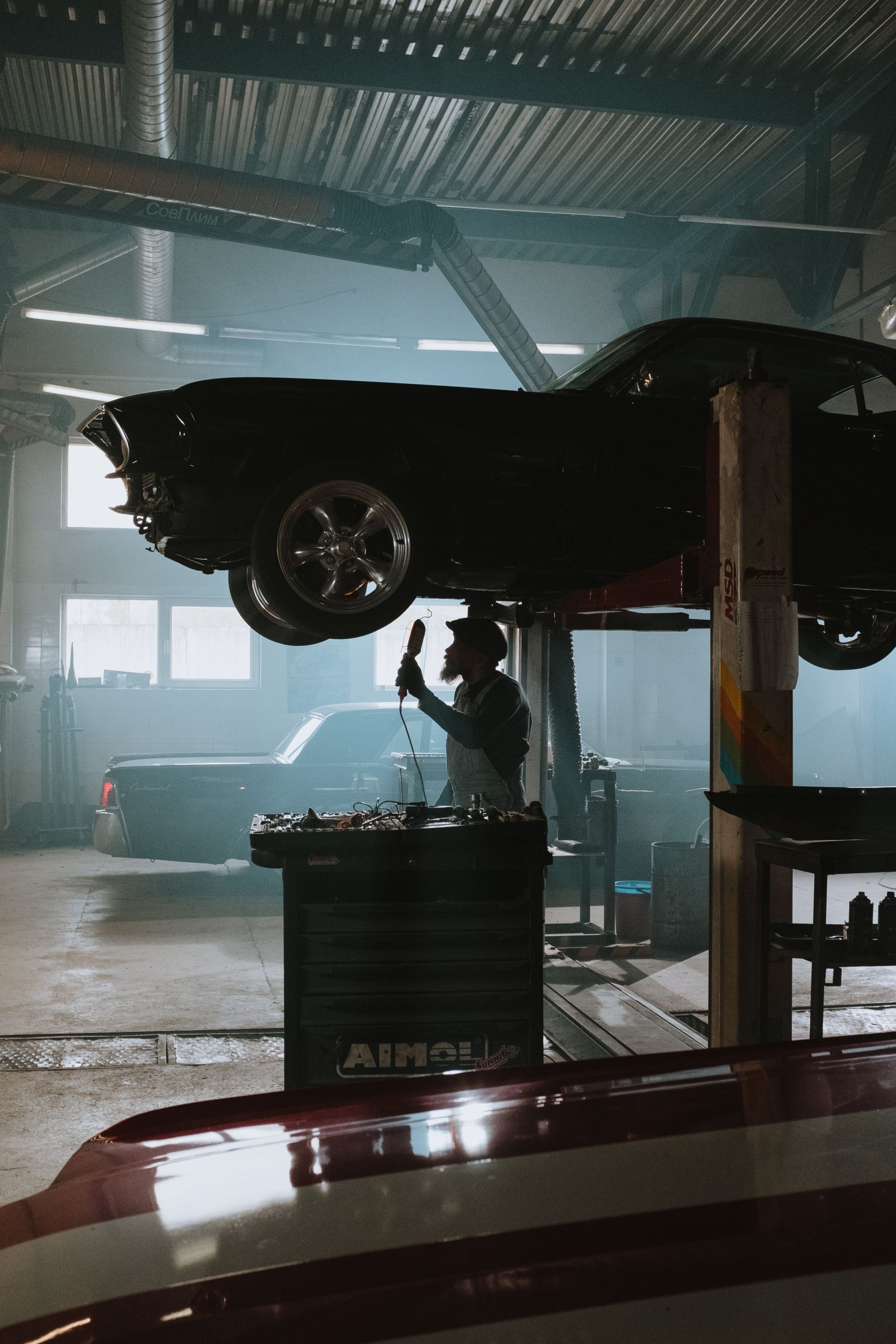
The one wildcard is corrosion. In areas with road salt or a lot of coastal air, rusted bolts can seize or snap off entirely, turning a 30-minute job into a much longer one that may need heat, extraction tools, or a shop’s help. If your nuts and bolts look heavily rusted before you start, budget extra time — or extra patience with penetrating oil — before assuming this stays a quick job.
Frequently Asked Questions
Can I drive with a bad sway bar link?
For a short distance, yes — it’s not an immediate safety failure like a steering component. But it does reduce stability in turns and lets the suspension move in ways it isn’t designed to, so it’s worth fixing soon rather than living with the clunk indefinitely.
Do I need an alignment after replacing sway bar links?
No. Unlike a tie rod, a sway bar link doesn’t affect wheel toe or alignment settings, since it only connects the sway bar to the suspension rather than to the steering system. That’s part of why this job is cheaper and simpler than steering-related suspension repairs.
What’s the difference between a sway bar link and a sway bar bushing?
The link is the rod connecting the sway bar to the suspension at each wheel; the bushings are the rubber mounts that hold the sway bar itself to the frame. Both wear over time and can cause noise, but links typically clunk over bumps while bushings tend to squeak during turns.
Why do sway bar links wear out?
The ball joints or bushings inside the link wear from constant flexing as the suspension moves, and road salt or moisture accelerates corrosion on the joint and mounting hardware. It’s a normal wear item rather than a sign of abuse or a defect.
The Bottom Line
Budget $60-$200 per side at a shop, or $20-$60 in parts if you’re comfortable doing it yourself — a similarly approachable DIY win to a serpentine belt swap, minus the alignment requirement a tie rod job carries. If the clunk you’re hearing happens specifically when turning rather than over every bump, it’s also worth ruling out a worn CV axle before assuming it’s the sway bar link.
Hearing a clunk over bumps and not sure what’s causing it? Contact San Diego Bumper and Collision for a suspension inspection before you start replacing parts.