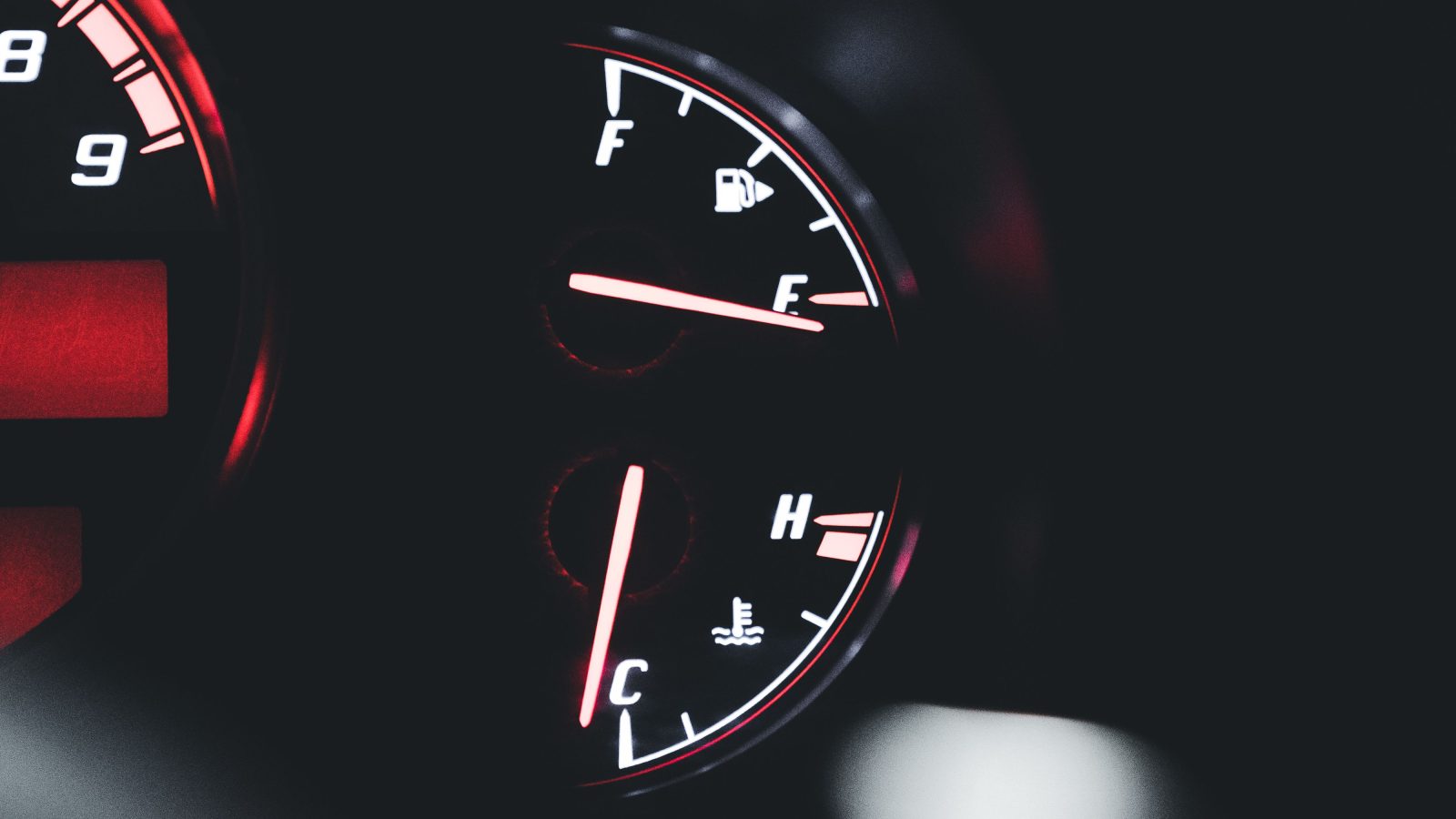
Engine overheating is the number one cause of a cracked head gasket — when coolant temperature climbs too high, the aluminum cylinder head expands faster than the cast-iron block beneath it, warping the mating surface until the gasket can no longer hold a seal. Detonation, a warped head from a prior overheating event, and improperly torqued head bolts round out the other major causes.
Knowing which of these actually caused your failure matters, because some are one-time bad luck and others will crack a brand-new gasket again if you don’t fix the root problem first.
Key Takeaways
- Overheating causes most head gasket failures — usually from low coolant, a stuck thermostat, a failed water pump, or a broken belt that stops coolant circulation.
- Detonation and pre-ignition create sudden pressure spikes in the cylinder that stress the gasket from the inside, independent of temperature.
- A warped cylinder head won’t seal against a new gasket — replacing the gasket alone after a bad overheating event often fails again within months.
- Improperly torqued head bolts from a prior repair can cause premature failure even on a gasket that was otherwise fine.
Overheating: The #1 Cause
Heat is the single biggest enemy of a head gasket. When coolant temperature climbs past its normal operating range, the aluminum head and the cast-iron or aluminum block expand at different rates, distorting the surface the gasket is supposed to seal against. Once that surface loses its flatness, no gasket — new or old — seals reliably against it (Firestone Complete Auto Care).
Overheating itself almost always traces back to a cooling system failure elsewhere:
- Low coolant, from a leaking hose, radiator, or a different gasket failing first
- A stuck thermostat that won’t open to let coolant circulate
- A failed water pump that can’t move coolant through the system
- A clogged radiator that can’t shed heat fast enough
- A broken serpentine belt, which on many engines also drives the water pump — snap the belt and coolant circulation stops within minutes
- A failed electric cooling fan that doesn’t kick in at low speed or idle, when airflow through the radiator is weakest
None of these are head gasket problems on their own — they’re cooling system problems that become a head gasket problem if they’re not caught in time.
Detonation and Pre-Ignition
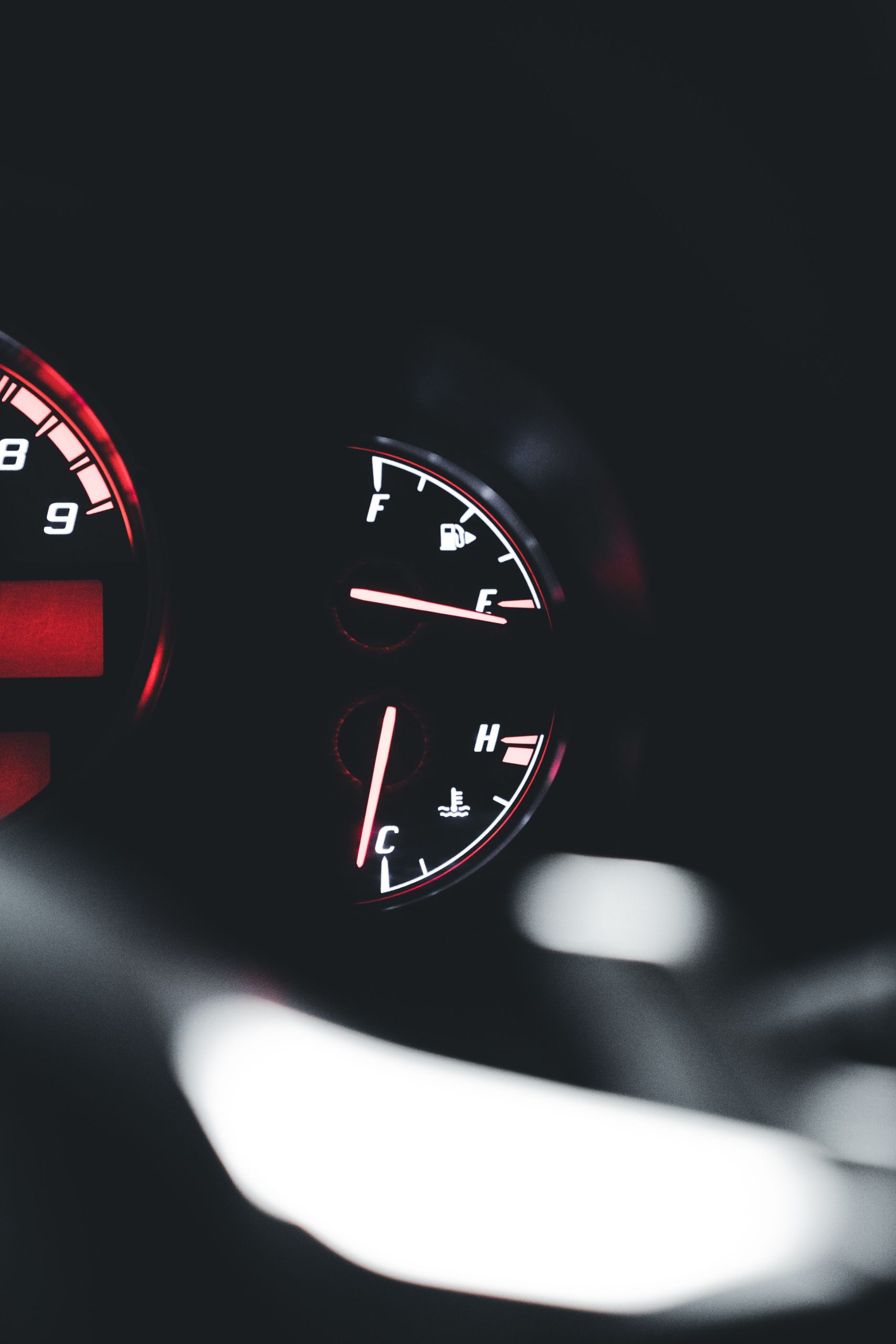
Not every head gasket failure starts with a hot temperature gauge. Detonation — also called spark knock — happens when the air-fuel mixture ignites unevenly, creating a sharp, sudden pressure spike in the combustion chamber instead of a smooth burn. Over time, that repeated hammering can overload and crack the gasket material around the cylinder, independent of coolant temperature entirely.
Common triggers for detonation include carbon buildup in the combustion chamber (which raises effective compression), over-advanced ignition timing, an overly lean air-fuel mixture, or a faulty knock sensor that fails to pull timing back when it should. Pre-ignition is a related but distinct problem — the mixture ignites before the spark plug fires, which peaks combustion pressure too early in the compression stroke and stresses the gasket from an unexpected angle.
A Warped Cylinder Head
This is often the aftermath of the first cause on this list rather than a separate one — but it matters enormously for repair, so it deserves its own explanation. An extreme heat event, even a brief one, can warp or crack the cylinder head itself. Once that happens, the head bolts can no longer apply even clamping force across the gasket surface, no matter how correctly the new gasket is installed or how precisely the bolts are torqued.
This is why a shop that’s doing the repair correctly checks the head for flatness (and has it machined if needed) before installing a new gasket after any significant overheating event. Skip that step and the new gasket is fighting an uneven surface from day one — which is the single most common reason a “freshly replaced” head gasket fails again within a few months.
Improper Torque or Installation Error
Sometimes the cause isn’t heat or combustion pressure at all — it’s a mistake from a previous repair. Head bolts have to be torqued to a specific value, in a specific sequence, often in multiple stages, to distribute clamping force evenly across the entire gasket surface. Skip a stage, use the wrong sequence, or reuse bolts that are designed to be single-use (common on torque-to-yield bolts), and the gasket can fail prematurely even though nothing was wrong with the part itself.
If your vehicle has had head work done before and a new failure shows up without any obvious overheating or performance symptoms leading up to it, an installation error from that prior repair is worth ruling out.
Cracked Head vs. Blown Head Gasket — Is There a Difference?
These terms get used interchangeably, and functionally the result is similar: a failed seal between the head and block that lets combustion gas, coolant, or oil cross into places they shouldn’t. Technically, “blown” usually refers to the gasket material itself failing or being breached, while a “cracked head” refers to damage in the metal of the cylinder head casting itself — a more serious failure that often means the head needs to be repaired or replaced, not just resealed with a new gasket (Fel-Pro).
In practice, a shop determines which you actually have with a pressure test and a visual inspection once the head is off — it’s not something to diagnose from symptoms alone, since both produce similar white smoke, overheating, and coolant loss.
How to Prevent Head Gasket Failure
- Check coolant level and condition regularly, and flush and replace it on the manufacturer’s schedule — typically every two years or per your owner’s manual.
- Use the coolant type your manufacturer specifies. The wrong type can cause corrosion and deposits that lead to overheating down the line.
- Watch the temperature gauge, and react immediately if it climbs into the warning zone rather than continuing to drive.
- Inspect belts and hoses and replace them before they fail outright, not after.
- Address any coolant leak promptly, even a small one — low coolant is one of the most common overheating triggers.
- Keep up with scheduled maintenance generally, since manufacturer service intervals are designed to catch cooling system wear before it becomes a crisis.
Most of this list is inexpensive, routine maintenance. Compare that to a head gasket replacement, which typically runs $1,200-$3,500 and climbs from there if the head also needs machining — the math heavily favors prevention.
Frequently Asked Questions
Can a head gasket fail without overheating?
Yes. Detonation, pre-ignition, and improper bolt torque from a prior repair can all crack or blow a gasket without the engine ever running hot. Overheating is the most common cause, not the only one.
Does one overheating event guarantee head gasket failure?
Not always, but the risk rises sharply with how hot the engine got and how long it stayed there. A brief spike caught quickly is less likely to cause lasting damage than sustained overheating that isn’t addressed for several minutes or longer.
Is a cracked head gasket the same problem as a leaking valve cover gasket?
No — they’re unrelated parts with very different consequences. A valve cover gasket seals oil at the top of the engine and typically just causes an oil leak or smell. A head gasket seals the cylinder head to the block and, when it fails, affects coolant, oil, and combustion — a far more serious and expensive repair.
Can bad maintenance habits cause a head gasket to fail even on a well-built engine?
Yes. Even a well-engineered gasket can’t survive sustained overheating, chronic detonation, or a warped head. Most failures trace back to something in the cooling or combustion system going unaddressed rather than a defect in the gasket itself.
The Bottom Line
Overheating causes most cracked head gaskets, almost always because something else in the cooling system — low coolant, a stuck thermostat, a failed water pump, or a broken belt — failed first and went unnoticed. Detonation, a warped head, and improper bolt torque round out the rest. Catching a rising temperature gauge early, keeping up with coolant service, and addressing leaks promptly are the cheapest insurance against a repair that runs well into four figures.
Already seeing white smoke or a rising temperature gauge? Contact San Diego Bumper and Collision for a diagnosis before continued driving turns a fixable problem into a warped head.