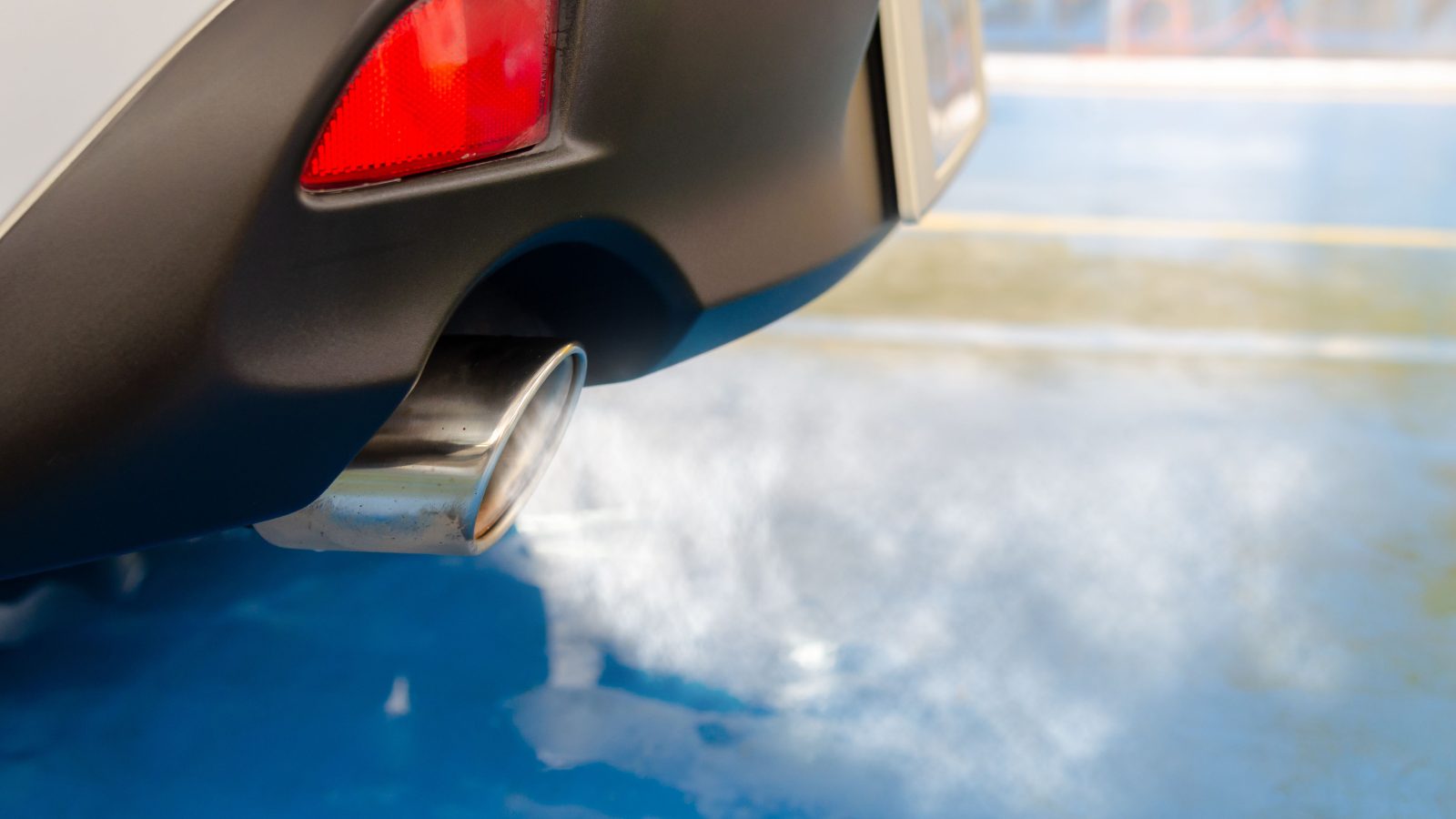
A catalytic converter’s job is to convert the toxic byproducts of combustion into less harmful gases before they leave the tailpipe — turning carbon monoxide, unburned hydrocarbons, and nitrogen oxides into carbon dioxide, water vapor, and nitrogen. It does this with a honeycomb structure coated in precious metals that trigger a chemical reaction as exhaust gas passes through, and it’s a big part of why modern cars emit roughly 96% less carbon monoxide and 98% less hydrocarbons than vehicles built before emissions controls existed.
Here’s exactly how that chemical reaction works, what’s inside the part that makes it possible, and the signs it’s telling you when it stops doing its job.
Key Takeaways
- A catalytic converter converts CO, hydrocarbons, and NOx into CO2, water vapor, and nitrogen through a chemical reaction, not filtration.
- It’s coated in platinum, palladium, and rhodium — precious metals that each drive a specific part of the reaction.
- It only works once it reaches operating temperature, roughly 600°F (300°C), which takes 1-2 minutes after a cold start.
- A modern converter removes about 98% of harmful fumes from the exhaust stream once warmed up (Explain That Stuff).
What a Catalytic Converter Actually Converts
Gasoline combustion never burns perfectly clean. Even a well-tuned engine produces three main pollutants that a catalytic converter exists specifically to neutralize:
- Carbon monoxide (CO) — a colorless, odorless, toxic gas from incomplete combustion.
- Unburned hydrocarbons (HC) — fuel that didn’t fully combust, a contributor to smog.
- Nitrogen oxides (NOx) — formed when combustion heat forces nitrogen and oxygen in the air to react, another major smog contributor.
Most vehicles on the road today use a three-way catalytic converter, named for handling all three of these pollutants in a single unit rather than needing separate hardware for each (UTI).
How the Chemical Reaction Works
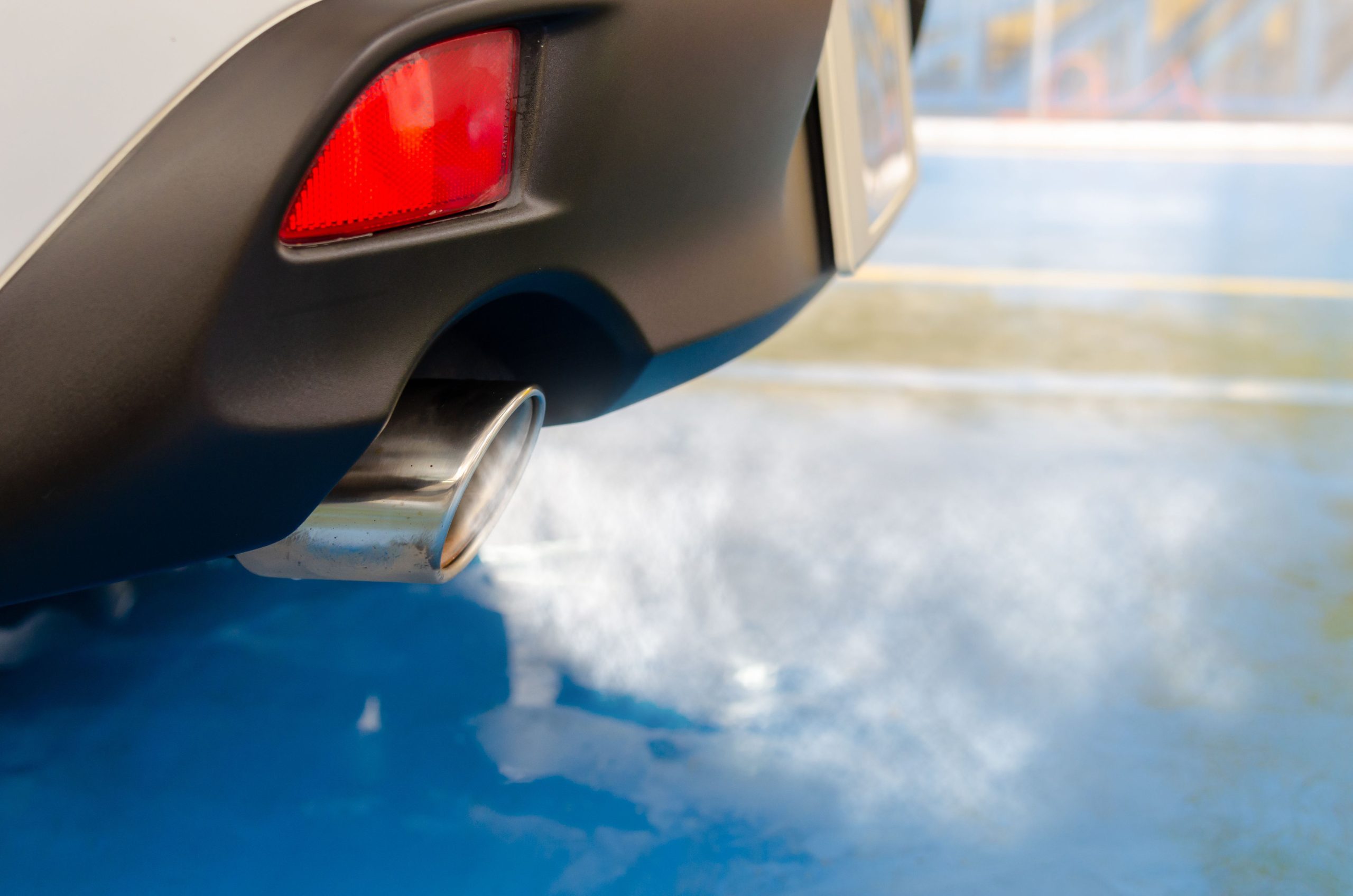
Exhaust gas enters the converter through the inlet pipe and passes over a honeycomb or beaded ceramic structure coated in a thin layer of precious metal catalyst. That massive surface area — packed into a housing not much bigger than a coffee can — is what lets the reaction happen fast enough to keep up with an engine’s exhaust flow.
Inside, two separate reactions take place:
- Oxidation: carbon monoxide and unburned hydrocarbons combine with oxygen to form carbon dioxide and water vapor.
- Reduction: nitrogen oxides are stripped of their oxygen atoms, releasing plain nitrogen gas — the same inert gas that already makes up about 78% of the air we breathe.
Each precious metal plays a distinct role in driving these reactions. Platinum oxidizes carbon monoxide and hydrocarbons. Palladium is especially effective catalyzing reactions involving hydrogen and oxygen, reinforcing the oxidation side. Rhodium is the metal that efficiently reduces NOx on its own — which is why it’s present even in small amounts relative to the other two, typically at roughly a 5:1 platinum-to-rhodium ratio in three-way converters (SAM Materials).
Why Temperature Matters So Much
None of this works cold. The catalytic reaction only kicks in once the converter reaches roughly 600°F (300°C), which is why a catalytic converter does essentially nothing for the first minute or two after you start the engine. Modern converters are designed to reach that temperature quickly — often within 1-2 minutes — but that short warm-up window is still responsible for a disproportionate share of a trip’s total emissions, especially on short urban drives where the engine barely gets warm before the trip ends (Walker Exhaust).
Signs a Catalytic Converter Isn’t Doing Its Job
- A check engine light, often with a stored code like P0420, is usually the first and sometimes the only symptom.
- Reduced acceleration or a sluggish feel, since a clogged converter restricts exhaust flow the engine needs to breathe properly.
- A rotten-egg or sulfur smell, from unconverted sulfur compounds passing through.
- Rattling noises, which can mean the internal honeycomb structure has cracked or come loose.
- Trouble starting in severe cases, since a badly clogged converter can trap exhaust gas the engine can’t push past (AutoNation Mobile Service).
An OBD-II scan is the fastest way to confirm the converter itself is the problem rather than something upstream — like a failing purge valve — that’s throwing off the readings the converter’s own sensors depend on.
Frequently Asked Questions
Do all cars have a catalytic converter?
Nearly all gasoline and diesel vehicles sold in the US since the mid-1970s have one — it’s been required equipment since the Clean Air Act amendments of that era. Fully electric vehicles don’t need one since they have no combustion exhaust to treat.
Can a catalytic converter wear out from normal use?
Yes, though it typically lasts the life of the vehicle under normal conditions — 100,000+ miles is common. Engine problems like a misfire, a rich fuel mixture, or oil burning into the exhaust can dramatically shorten that lifespan by fouling or overheating the catalyst.
Why does a catalytic converter get so hot?
The chemical reactions happening inside are exothermic — they release heat as a byproduct, on top of the heat already carried by hot exhaust gas. That’s part of why converters are mounted with heat shields and why a parked car with a failing converter can occasionally trigger a strong, unusual heat smell.
Does a catalytic converter affect fuel economy?
A healthy one has minimal effect. A clogged one restricts exhaust flow, which forces the engine to work harder and can measurably hurt fuel economy — one more reason a P0420 code is worth diagnosing rather than ignoring.
The Bottom Line
A catalytic converter’s entire job is turning toxic exhaust gas into far less harmful output through a heat-driven chemical reaction across a precious-metal-coated honeycomb — no moving parts, no filtration, just chemistry. It’s a major reason modern vehicles emit a fraction of what cars did before emissions controls existed, and a check engine light with a P0420 code is usually the first sign it needs attention.
Suspect a clogged or failing catalytic converter? Contact San Diego Bumper and Collision for a proper diagnosis before assuming what’s wrong.