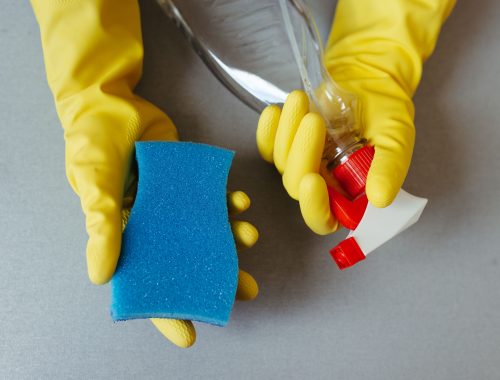
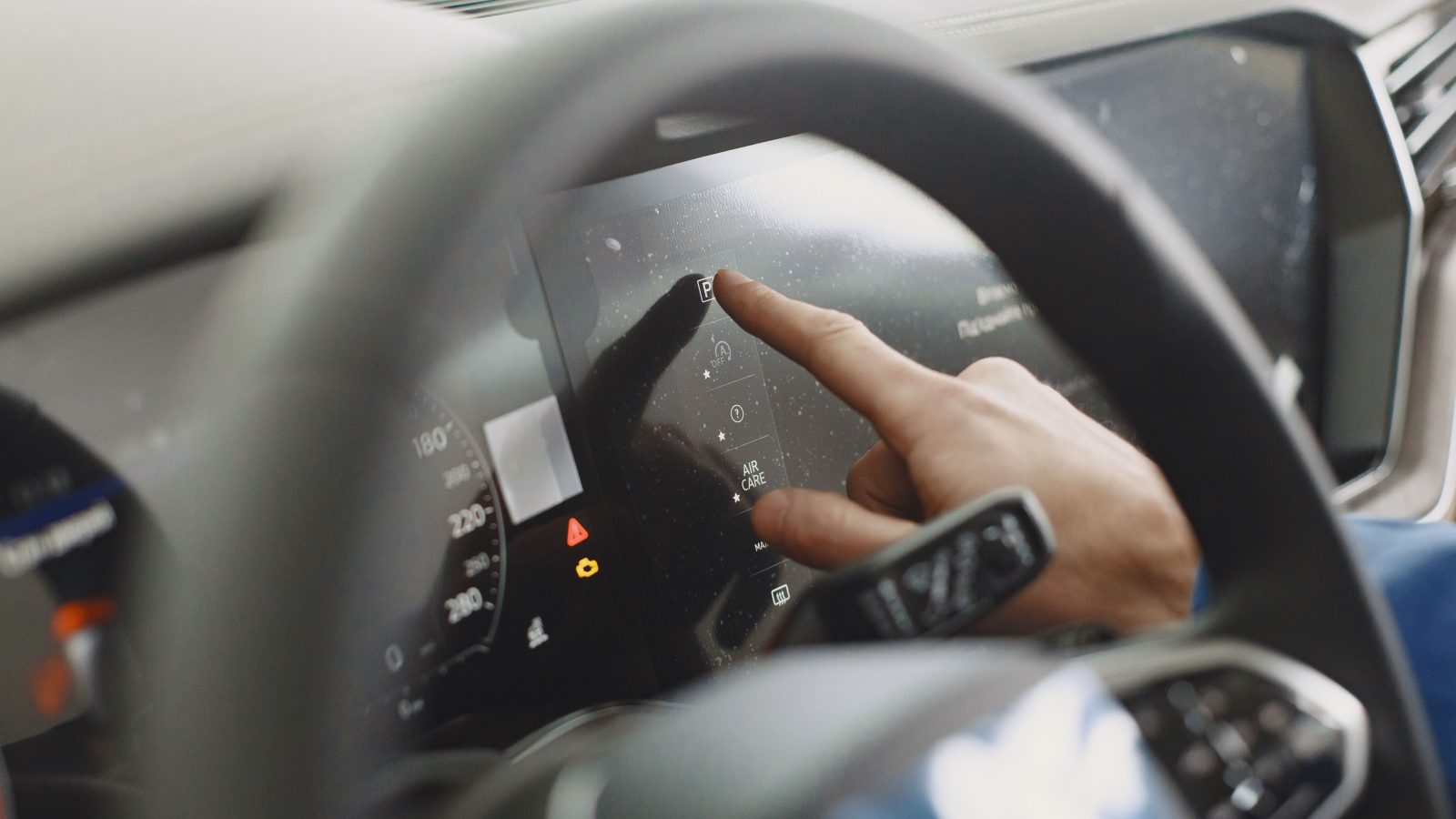
Use a pH-neutral, automotive-specific interior cleaner and protectant to clean the inside of your car dashboard — Chemical Guys Total Interior Cleaner & Protectant is a widely recommended option since it safely cleans nearly all interior surfaces, including screens, while adding UV protection in the same step. Spray the cleaner onto a microfiber cloth rather than directly onto the dashboard to protect electronics and vents and ensure an even finish. Choose a water-based formula that leaves a satin or matte finish rather than a solvent-based product that produces an oily, high-gloss film and distracting glare across the windshield.
Here’s why finish type matters as much as cleaning power, the application technique that protects sensitive electronics, and how to actually achieve that clean “factory finish” look.
Key Takeaways
- Water-based, matte-finish protectants are the modern standard — older solvent-based products leave an oily sheen that causes windshield glare.
- Spray onto the cloth, not the dashboard — this protects vents, screens, and electronics from overspray.
- A pH-neutral formula matters — harsh cleaners can dry out and eventually crack dashboard plastic over repeated use.
- UV protectant applied after cleaning prevents the sun damage that dashboards face more than almost any other interior surface.
Matte, Water-Based Formulas vs. Glossy Solvent-Based Products
| Use | Avoid |
|---|---|
| Water-based, pH-neutral cleaner | Solvent-based, oily products |
| Satin or matte finish protectant | High-gloss “wet look” dressing |
| Automotive-specific interior formula | Generic household all-purpose cleaner |
| Spray onto microfiber cloth | Spraying directly onto the dashboard |
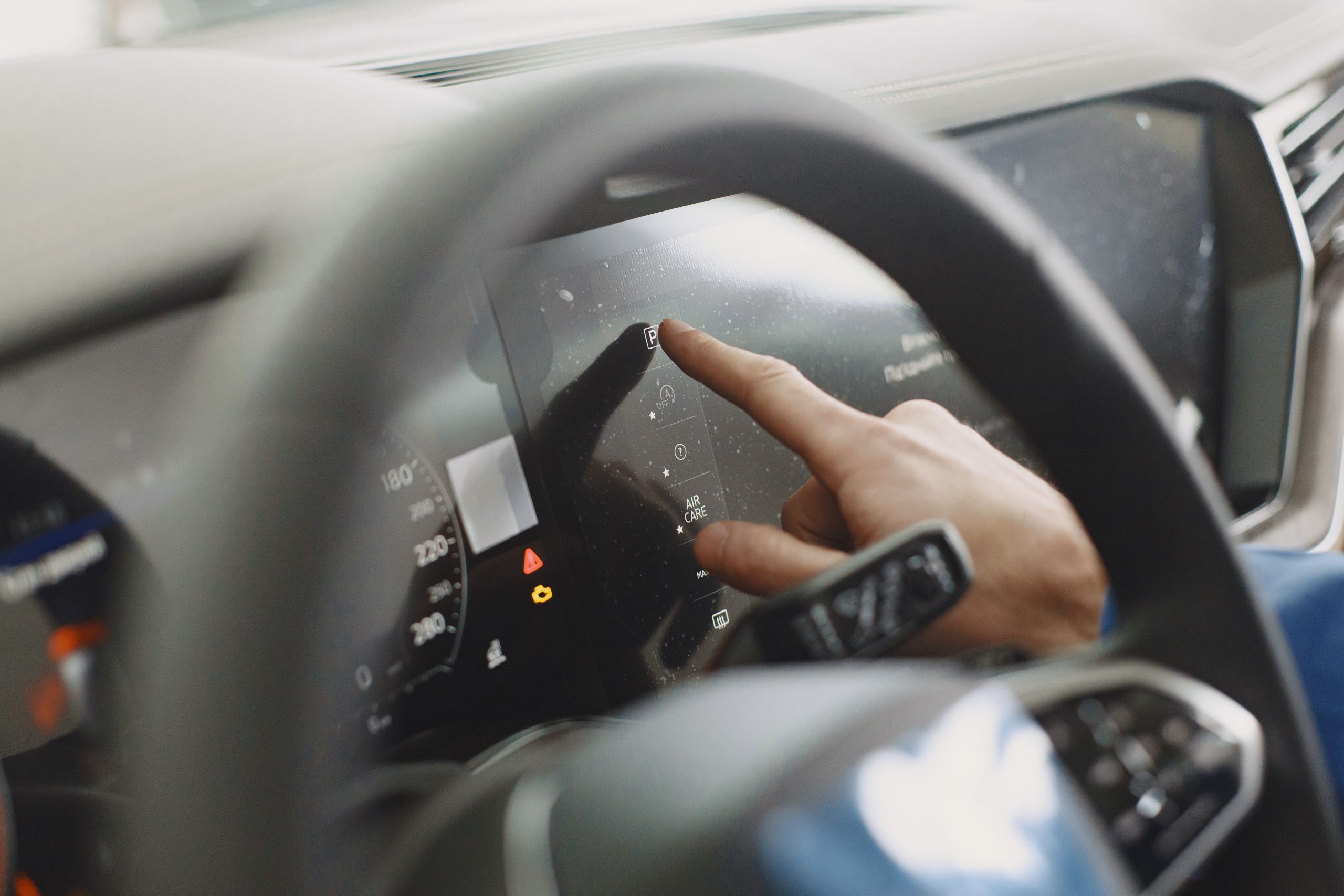
Modern professional formulas are designed to provide a satin or matte finish, unlike older solvent-based products that leave an oily, high-gloss film across the dashboard (CarXplorer). This finish distinction matters more than it might seem — a glossy dashboard reflects sunlight directly into the windshield, creating genuine glare that can affect visibility while driving, which is exactly why the industry has shifted toward matte-finish water-based protectants. High-quality water-based formulas achieve this satin or matte look without the distracting glare that older glossy dressings caused.
Application Technique
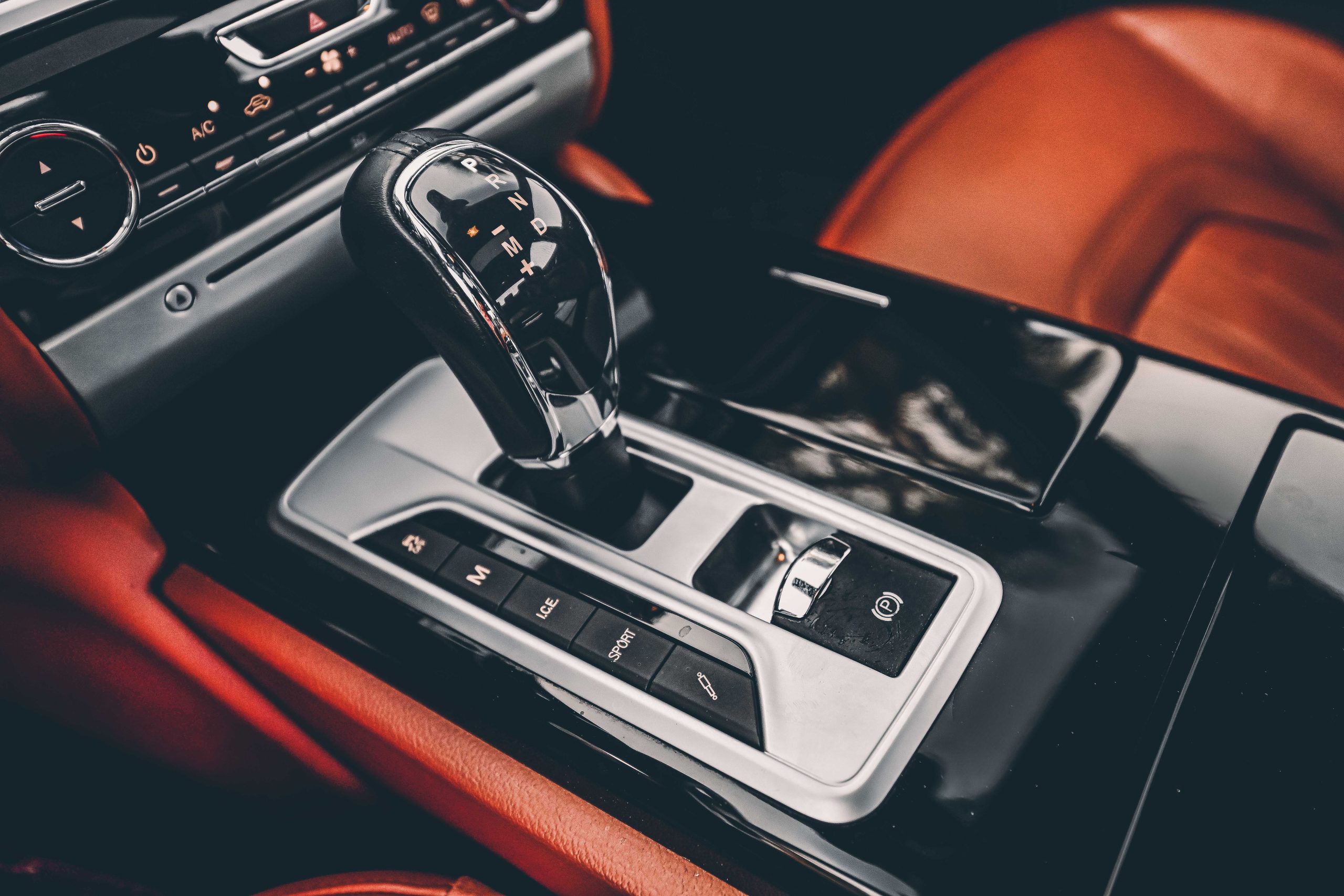
Use a pH-neutral, automotive-specific cleaner formulated for plastic and vinyl rather than a generic household product, since dashboards face more UV and heat exposure than almost any other interior surface and benefit from a formula built specifically for that stress. Spray cleaner onto your microfiber cloth, not directly onto the dashboard, to protect electronics, vents, and any embedded screens, while also helping ensure an even finish across the surface. Once the dashboard is clean, apply a quality UV protectant to prevent sun damage — achieving a genuine “factory finish” look means a clean, matte surface with absolutely no visible residue left behind, not a heavy, artificially glossy coat. If your dashboard has already developed cracking or fading from prior sun exposure without protection, our guide on protecting your car from sun damage covers the broader UV prevention strategy this cleaning routine fits into.
Where This Fits Into Full Interior Cleaning
If you’re working through a complete interior detail rather than just the dashboard, our guide on cleaning your car interior covers the full top-to-bottom process, with the dashboard-specific product guidance here slotting into that broader routine at the appropriate step.
Frequently Asked Questions
Can dashboard cleaner damage infotainment screens or displays?
Some can, which is why choosing a product specifically labeled safe for screens matters — spraying onto a cloth rather than directly onto the dashboard also reduces this risk regardless of the specific product used.
How often should the dashboard be cleaned and re-protected?
Roughly every one to two months for most vehicles, more frequently for cars with heavy sun exposure, since UV protection wears down faster under intense, consistent sunlight.
Is it safe to use dashboard cleaner on leather-wrapped sections?
Not always — leather generally needs a dedicated leather cleaner and conditioner rather than a plastic-focused dashboard product, so check the material before applying the same product across the whole surface.
Does a matte finish protectant last as long as a glossy one?
Generally comparable, though this varies by specific product — the finish type is primarily a cosmetic and glare consideration rather than a meaningful durability difference between formulas.
The Bottom Line
Cleaning the inside of your car dashboard comes down to choosing a pH-neutral, water-based cleaner and protectant with a matte or satin finish, applying it to a cloth rather than the dashboard directly, and following up with UV protection. This combination delivers a genuinely clean, glare-free “factory finish” rather than the artificially glossy look older products left behind.
Want your dashboard and full interior professionally cleaned and protected? Contact San Diego Bumper and Collision for a quote.