A valve cover gasket replacement typically costs $361 to $497 according to RepairPal’s national estimate, though real-world quotes commonly land anywhere from $200 to $600 depending on your engine (RepairPal, retrieved July 2026).
The gasket itself is one of the cheapest parts on your car — often $10 to $40. Nearly the entire bill is labor, and that’s what makes the price swing so widely between a four-cylinder and a tightly packed V6.
Key Takeaways
- Typical cost: $361-$497 per RepairPal’s national estimate; commonly $200-$600 in practice, and $800+ on some luxury and performance engines.
- The gasket costs $10-$40. Labor is 1-3 hours and accounts for most of the bill.
- V6, V8, and turbocharged engines cost more because reaching the valve cover means removing intake components first.
- A leaking valve cover gasket drips oil onto hot exhaust — it’s a fire and smoke risk, not just a mess.
What Does the Valve Cover Gasket Do?
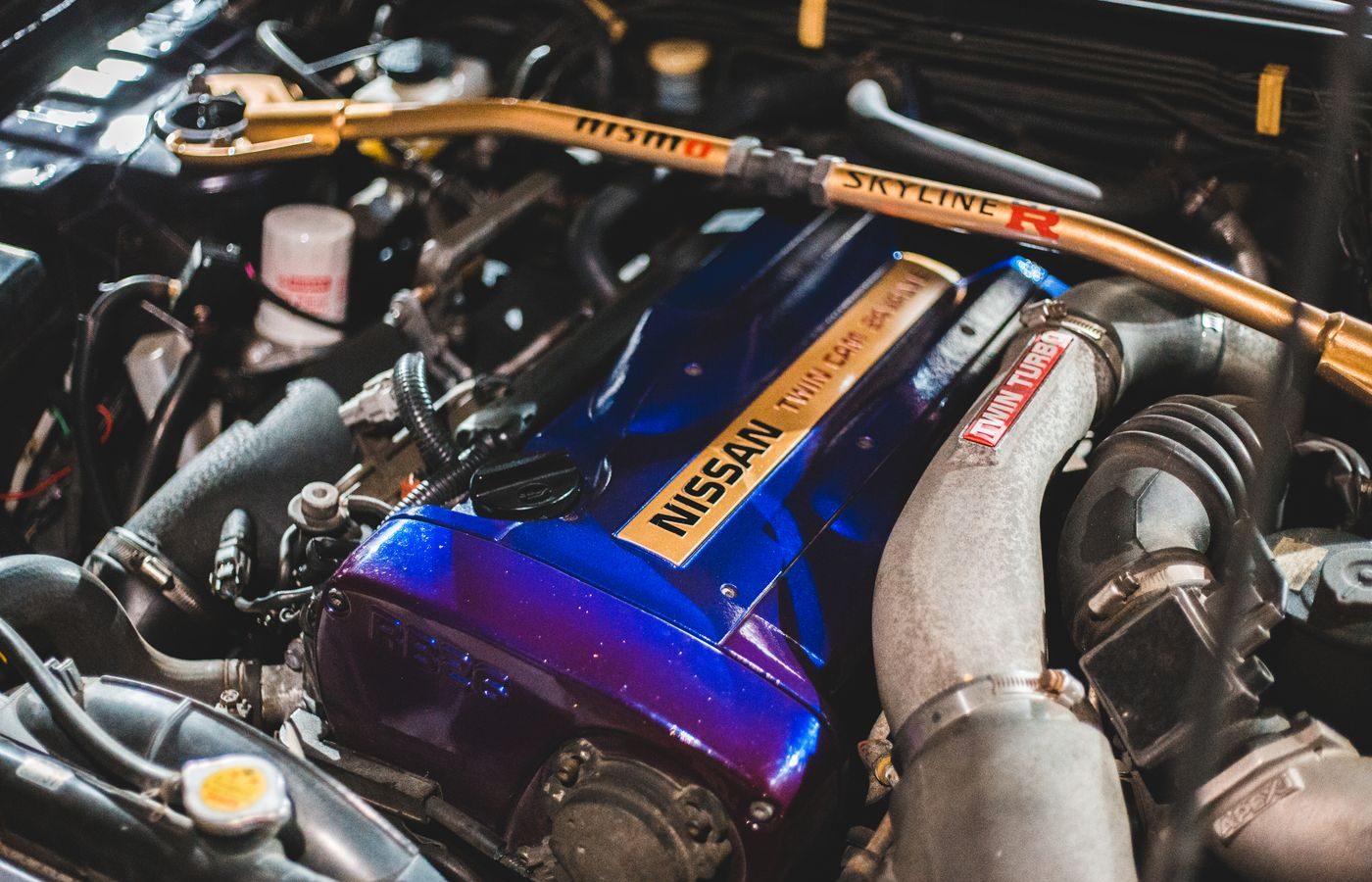
The valve cover sits on top of your cylinder head, sealing in the valvetrain and the oil that lubricates it. The gasket is the rubber seal between the cover and the head.
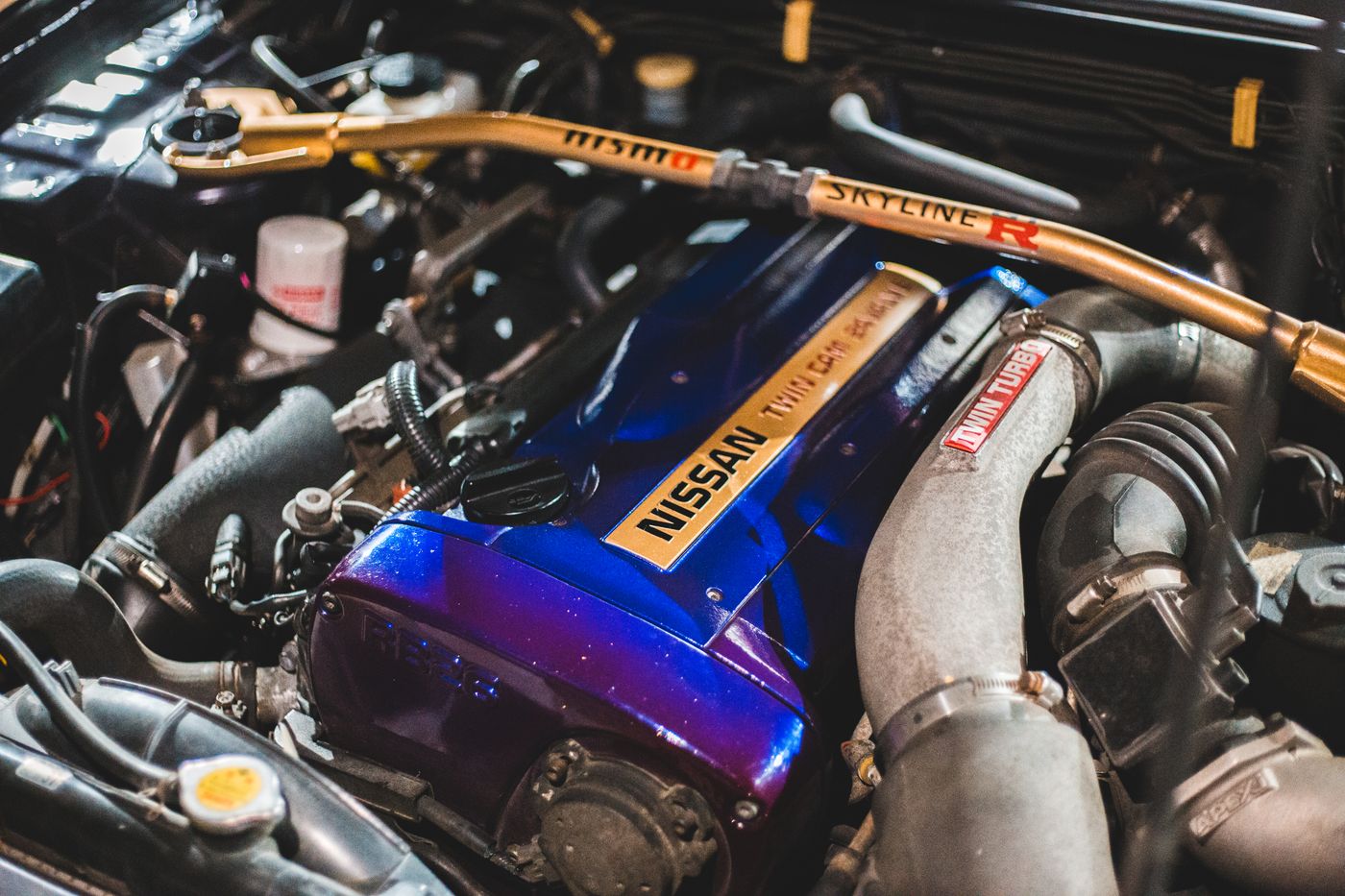
Over years of heat cycling, that rubber hardens, shrinks, and loses its ability to seal. Oil starts weeping out — usually down the side of the engine, sometimes into the spark plug wells on engines where the plugs sit inside the valve cover.
It’s a wear item. Every engine eventually needs one, and on most vehicles it’s a routine repair rather than a sign something is seriously wrong.
Why Labor Costs Vary So Much
The gasket price barely moves. Labor is what separates a $250 job from a $700 one.
Inline four-cylinder engines are the cheap case. One valve cover, sitting on top, usually reachable after removing a few hoses and the ignition coils. Often about an hour of labor.
V6 and V8 engines have two valve covers — one per cylinder head — so you’re doing the job twice. On many V6s, the rear valve cover sits under the intake manifold, which means removing the intake to reach it. That single design decision can double or triple the labor time.
Turbocharged and tightly packaged engines add more: heat shields, charge piping, and sometimes the turbo itself may need to come off or be worked around.

At shop rates commonly running $100-$200 per hour, one extra hour of access work is $100-$200 on your invoice. That’s the entire explanation for the price spread.
Signs Your Valve Cover Gasket Is Leaking
- Burning oil smell while driving or right after you park — oil dripping onto the hot exhaust manifold.
- Visible oil on the outside of the engine, typically running down one side from the top.
- Blue-ish smoke from under the hood, especially at idle after a drive.
- Oil in the spark plug wells on engines where the plugs sit inside the cover. This one causes misfires and rough running.
- Slowly dropping oil level with no puddle on the driveway, because the oil is burning off the exhaust rather than dripping to the ground.
The spark plug well case is the one to catch early. Oil sitting around the plugs and coil boots causes misfires, and replacing fouled coils on top of the gasket job adds real money — on top of whatever a fresh set of spark plugs costs if the old ones are oil-fouled beyond cleaning.
Is It Worth Fixing Right Away?
Yes, and the reason isn’t the oil loss.
Oil dripping onto an exhaust manifold that runs at several hundred degrees is a genuine fire risk. It’s uncommon, but it’s the reason this isn’t a leak to monitor indefinitely. The smoke and smell are the warning.
The secondary argument is cost containment. A gasket done on its own is a few hundred dollars. A gasket done after oil has fouled the spark plugs and coil packs is that plus parts and labor for the ignition components. The repair only gets more expensive the longer it runs.
Ways to Keep the Cost Down
- Ask for the labor time up front. Shops quote from a standard labor guide. Knowing whether your engine is a 1-hour or 3-hour job tells you immediately whether a quote is reasonable.
- Bundle it with other top-end work. If you’re due for spark plugs on an engine where the plugs live under the valve cover, doing both at once saves overlapping labor.
- Don’t automatically pay for OEM. Quality aftermarket gaskets from established manufacturers are fine for this application on most vehicles.
- Fix it before the plugs foul. This is the single biggest cost lever available to you.
Frequently Asked Questions
Can I drive with a leaking valve cover gasket?
Short distances, briefly, yes — but it shouldn’t be a long-term plan. Oil on a hot exhaust manifold is a fire risk, and on engines where oil reaches the spark plug wells it causes misfires. Get it repaired rather than monitored.
How long does a valve cover gasket replacement take?
Typically 1 to 3 hours of labor. An inline four-cylinder is often about an hour. A V6 with the rear cover under the intake manifold can run 3 hours or more, since the intake has to come off and go back on.
Why is my valve cover gasket leaking again after replacement?
Usually one of three things: the valve cover itself is warped and no longer seals flat, the bolts were over-torqued and crushed the new gasket, or a plastic valve cover has cracked. On engines with plastic covers, replacing the cover along with the gasket is sometimes the only durable fix.
Is a valve cover gasket the same as a head gasket?
No, and the difference matters enormously for cost. The valve cover gasket seals the cover on top of the head — a few hundred dollars. The head gasket seals the cylinder head to the engine block and is a major internal repair, often well over $1,500 — see our head gasket replacement cost guide for the full breakdown. They are not related jobs.
Does the leak get worse over time?
Yes. The gasket material continues to harden and shrink with every heat cycle, so a small weep becomes a steady drip. There’s no scenario where it seals itself back up.
The Bottom Line
Budget $361-$497 as a national midpoint, with a realistic range of $200-$600 depending on your engine layout — and more on luxury, turbocharged, or V-configuration engines where access is the problem.
The part is cheap. You’re paying for the hours it takes to reach it. Fix it before oil reaches your spark plugs.
If what you’re actually chasing is a vibration rather than a leak, our guide to engine mount replacement cost covers the other common under-hood culprit. And if you’re not sure which you’re dealing with, contact San Diego Bumper and Collision for a diagnosis.