Do a burnout by disabling traction and stability control, then either holding the clutch in while revving in first gear and releasing it to break the wheels loose (manual), or brake-torquing — holding the brake with one foot while pressing the throttle with the other (automatic) — and only ever on a closed course, racetrack, or private property, never public roads. Burnouts are illegal on public streets in most jurisdictions, including explicit exhibition driving laws in states like California and Texas.
Here’s the technique for both transmission types, the real mechanical wear involved, and why drivetrain layout matters more than most people expect.
Key Takeaways
- Only perform burnouts on a closed course or private property — it’s illegal exhibition driving on public roads in most states.
- Manual cars use the clutch-and-rev method; automatics use brake torquing, holding both brake and throttle simultaneously.
- RWD vehicles are by far the easiest to burn out; FWD tends to just move forward, and AWD rarely breaks traction at all on dry pavement.
- Burnouts genuinely stress tires, clutches, and transmission components — this isn’t cosmetic wear, it’s real mechanical load.
Legal and Safety Ground Rules First
Never attempt a burnout on public roads. States including California and Texas explicitly prohibit exhibition driving, and burnouts performed on public streets carry real legal consequences beyond just the mechanical risk (CarInterior).
Use a closed course, a track day, or private property with explicit permission. Wear gloves, eye protection, and closed-toe shoes, and if you have spectators, they need to stand well back — flying tire debris, broken parts, or a loss of control during the burnout are all genuine risks to anyone standing too close.
Before You Start
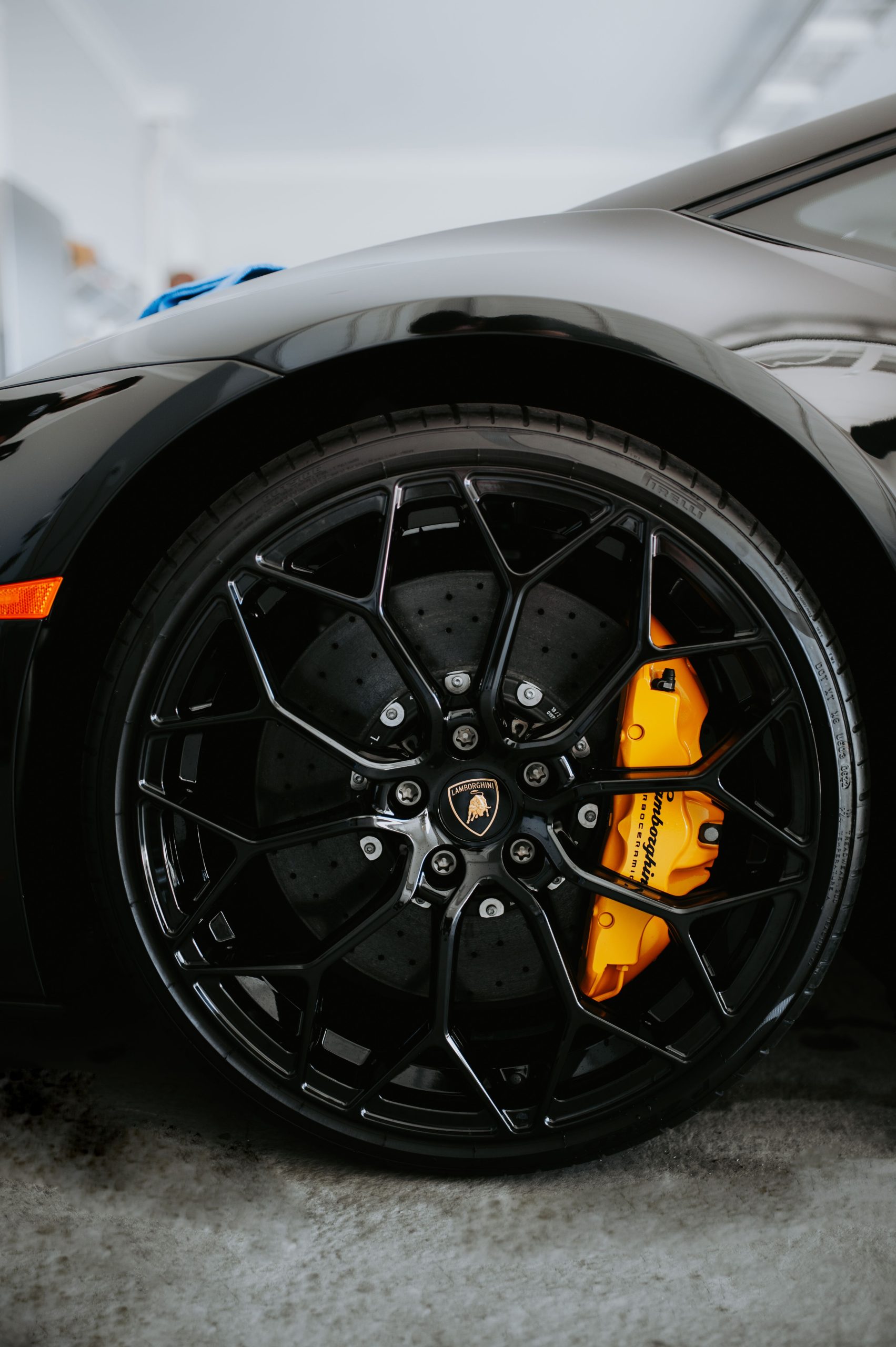
Check tire condition, brake fluid level, transmission health, and cooling system beforehand — overheating is a real risk during repeated burnout attempts, and starting with a vehicle already in marginal mechanical condition compounds that risk considerably. Driving around briefly first to warm the tires up also genuinely improves the traction you’ll get once you actually attempt the burnout.
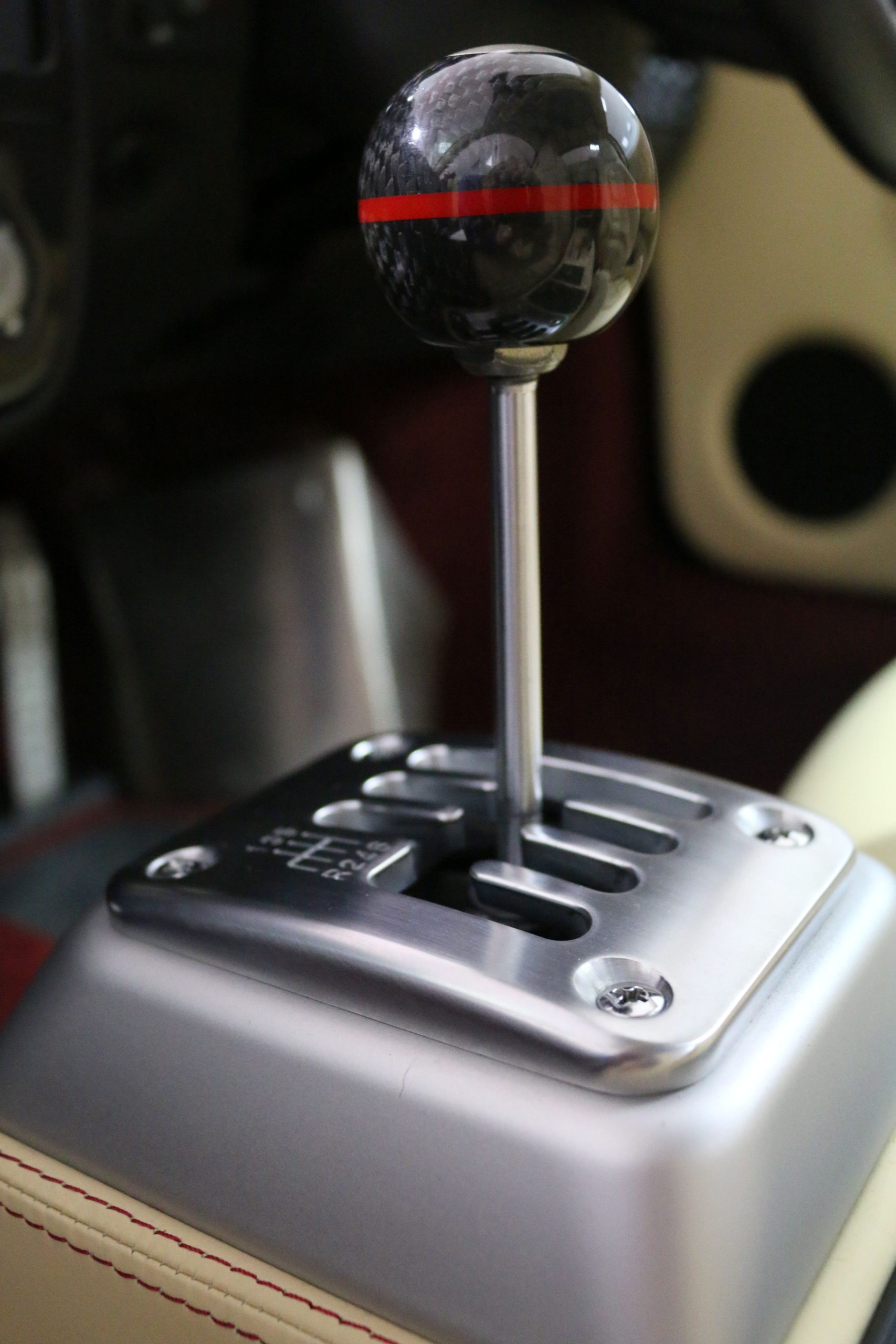
Manual Transmission Technique
- Turn off traction and stability control — these systems are specifically designed to prevent the wheel slip a burnout requires, so leaving them on will actively fight the maneuver.
- Depress the clutch fully and select first gear.
- Press the accelerator while holding the clutch all the way in, building enough engine RPM that releasing the clutch will send more power to the wheels than they can grip.
- Release the clutch smoothly but with intent, letting the wheels break loose and spin (CarBuzz).
Automatic Transmission Technique
Automatics use a different method called brake torquing: hold the brake pedal firmly with your left foot while simultaneously pressing the accelerator with your right foot. The engine builds torque against the held brake until the rear wheels (on a RWD automatic) overpower the brakes’ grip and break loose into a spin (Car From Japan).
Why Drivetrain Layout Makes a Real Difference
| Drivetrain | Burnout Difficulty | Why |
|---|---|---|
| RWD (Rear-Wheel Drive) | Easiest | Rear wheels aren’t handling steering, making it straightforward to break traction while keeping control |
| FWD (Front-Wheel Drive) | Difficult | Front wheels tend to just pull the car forward rather than spinning freely |
| AWD (All-Wheel Drive) | Hardest | Extra traction across all four wheels resists wheel spin; stress shifts to the transfer case or clutch packs instead |
Burnouts are genuinely harder to execute in four-wheel and all-wheel drive vehicles specifically because they have more traction available than a FWD or RWD vehicle. On an AWD car, that extra grip means the mechanical stress that would normally show up as tire spin instead transfers into the transfer case or clutch packs, unless the car ends up slipping its internal clutches instead — AWD automatic burnouts are widely considered the hardest to pull off on dry pavement (DSMTuners).
The Real Mechanical Cost
Tires spinning instead of gripping the road build heat extremely fast, which softens the rubber and scrubs away tread rapidly. That sudden temperature spike and stress can also damage the tire’s internal structure, increasing the risk of vibration or a blowout later on — not just from that single burnout, but from cumulative damage across repeated attempts.
Transmissions take real strain too, since they’re forced to transfer high engine power while the wheels aren’t moving in a normal, load-bearing way. In automatics, this stresses the torque converter, clutch packs, and internal gears; in manuals, the clutch assembly and gear sets absorb the shock instead (GreasePro). None of this is purely cosmetic wear — repeated burnouts genuinely shorten the service life of tires, clutches, and transmission components.
Frequently Asked Questions
Does a burnout damage the engine itself?
Not typically, if kept brief — the engine is designed to handle high RPM under load. The real damage concentrates in the tires, clutch, and transmission rather than the engine internals, assuming you’re not redlining for an extended period.
Can I do a burnout in an AWD car at all?
It’s possible but genuinely difficult on dry pavement, since AWD systems are specifically engineered to minimize wheel slip. Wet or loose surfaces make it more achievable, though the mechanical stress on the drivetrain remains a real concern either way.
Is it worth turning off traction control for a burnout?
It’s necessary, not optional — traction control exists specifically to prevent the wheel spin a burnout requires, so leaving it engaged will actively work against the maneuver rather than just being a minor inconvenience.
Does a modified car with more horsepower make burnouts easier?
Generally yes — more available torque makes it easier to overpower the tires’ grip. If you’re considering horsepower modifications, know that added power also means added stress on tires and drivetrain components during any wheel-spin maneuver.
The Bottom Line
A burnout requires disabling traction control and either releasing a held clutch at high RPM (manual) or brake torquing (automatic) — and it should only ever happen on a closed course or private property, never public roads. RWD cars pull it off easiest; FWD resists it, and AWD resists it hardest of all. Whatever the drivetrain, understand that real tire, clutch, and transmission wear accumulates with every attempt — this isn’t a free party trick.
Dealing with tire or drivetrain damage from a burnout gone wrong? Contact San Diego Bumper and Collision for an inspection.