A car overheats when the AC is on because the AC compressor adds real load to the engine, and the AC condenser sits directly in front of the radiator sharing the same airflow — so any existing cooling weakness (low coolant, a clogged radiator or condenser, a failing water pump, a stuck thermostat, or a bad cooling fan) gets exposed specifically when the AC engages. Repair costs range widely: $75-$400 for condenser/coil cleaning, $161-$855 for a radiator fan, and $353-$413 for a water pump.
Here’s exactly why AC use triggers overheating, how to identify which specific component is failing, and what each fix actually costs.
Key Takeaways
- The AC compressor adds real engine load, and the condenser shares airflow with the radiator — both stack extra strain on an already-weak cooling system.
- Low coolant, a clogged radiator/condenser, a stuck thermostat, or a failing water pump are the most common root causes.
- Condenser cleaning costs $75-$400, a radiator fan runs $161-$855, and a water pump runs $353-$413.
- A stuck-closed thermostat prevents coolant circulation entirely — a relatively cheap part, but a critical failure point.
Why AC Use Specifically Triggers Overheating
The air conditioning system places genuine additional strain on the engine and cooling system — when the AC compressor engages, it draws mechanical power from the engine, adding load precisely when you least want it (AutoNation Mobile Service). At the same time, the AC condenser is physically mounted directly in front of the radiator, sharing the same airflow path — meaning a dirty or blocked condenser doesn’t just hurt AC performance, it also reduces the airflow reaching the radiator behind it.
The Most Common Root Causes
Low coolant is one of the most frequent culprits — if coolant levels are low due to leaks in hoses, the water pump, or the radiator itself, there simply isn’t enough fluid to manage the extra heat generated once the AC compressor is running (CarsRepairsHub). A dirty AC condenser is another common cause — condenser fins accumulate dirt and road debris over time, and once clogged, heat transfer becomes noticeably less effective, compounding the airflow problem shared with the radiator.
Faulty components round out the list: a failing cooling fan that doesn’t spin up properly under load, a clogged radiator restricting coolant flow, or a stuck thermostat. The thermostat regulates coolant flow based on engine temperature, and if it’s stuck closed, coolant can’t circulate at all — a relatively inexpensive part that causes a critical failure when it goes bad.
What Each Fix Actually Costs
AC coil cleaning costs $100-$400 for evaporator coils and $75-$230 for condenser coils, a relatively affordable fix that’s often the first thing to check if you’ve noticed reduced AC performance alongside overheating (HomeGuide). Radiator fan replacement runs a wide $161-$855, with a full fan assembly replacement often landing toward the higher end near $1,117-$1,244, while just the fan motor alone runs $835-$940. Water pump replacement is comparatively predictable at $353-$413 (Jerry).
If overheating has already caused more serious engine damage, our guides on what causes a cracked head gasket and head gasket replacement cost cover the escalation path if overheating wasn’t caught early enough.
How to Diagnose Which Component Is the Problem
Start with the cheapest, most accessible check: coolant level. If it’s low, top it off and watch for whether the level drops again over the following days — a repeat drop points to a leak somewhere in the system rather than a one-time low fill. Next, visually inspect the condenser and radiator fins for visible dirt, debris, or bent fins blocking airflow — a garden hose (with the engine off and cool) can often clear light debris from the outside without needing a full disassembly.
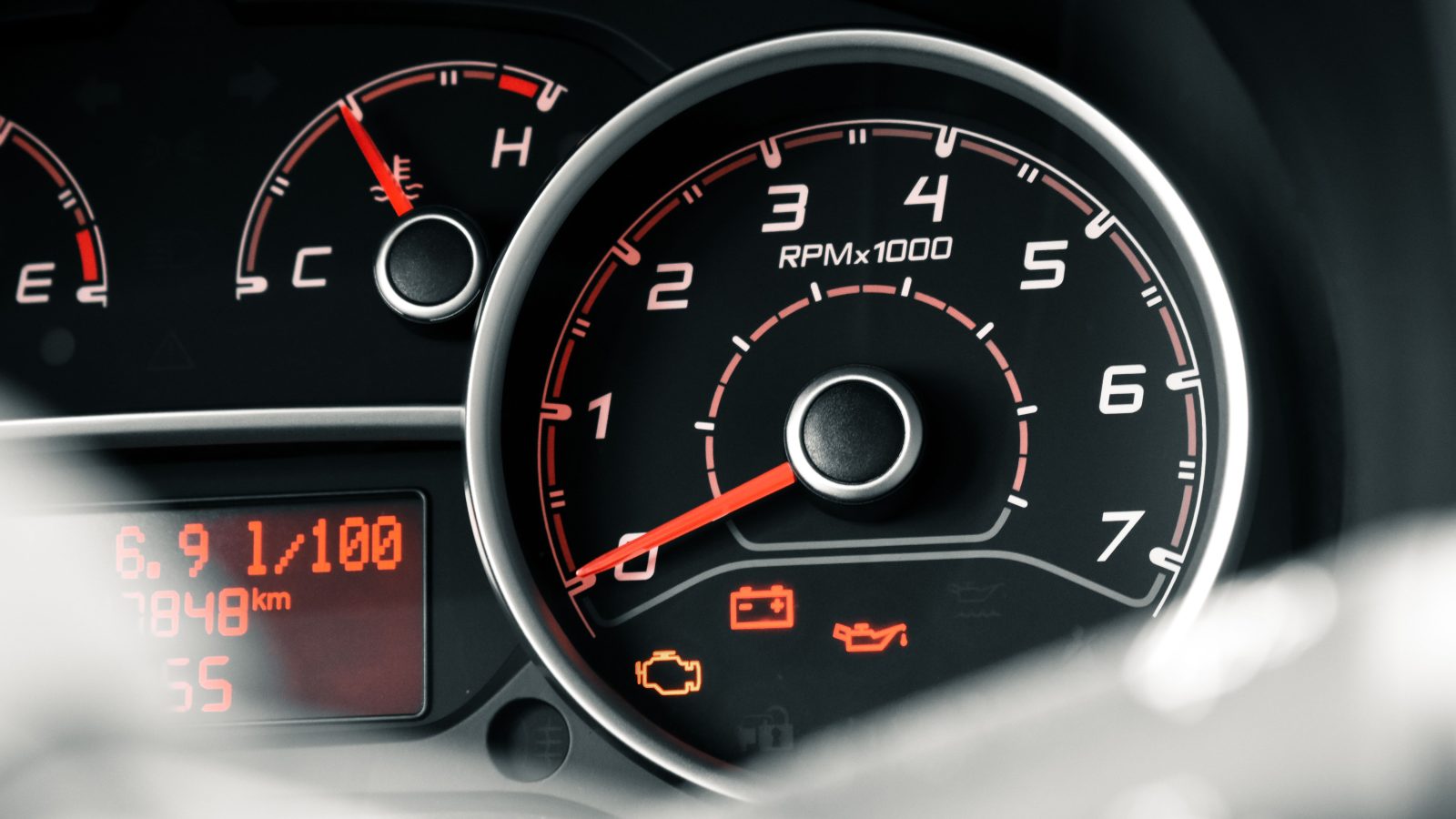
If the cooling fan doesn’t audibly turn on when the engine runs hot or the AC is engaged, that’s a strong sign the fan itself, its relay, or its wiring has failed. A thermostat stuck closed typically produces a temperature gauge that climbs quickly and steadily rather than fluctuating, since coolant simply isn’t circulating through the radiator at all.
Frequently Asked Questions
Is it safe to keep driving with the AC off if the car overheats with it on?
For a short trip, turning off the AC to reduce engine load can be a reasonable temporary workaround, but it doesn’t fix the underlying cooling system issue — the car may still overheat under other demanding conditions like hot weather or highway driving, so get it diagnosed rather than relying on this as a permanent fix.
Can low coolant alone cause this, or is it always a mechanical failure?
Low coolant alone can absolutely cause this without any other mechanical failure present — it’s worth checking and correcting first before assuming a more expensive component has failed.
Does this problem tend to get worse in hot weather?
Yes, significantly — hot ambient temperatures reduce the cooling system’s margin for error, so a marginal cooling issue that’s barely noticeable in mild weather can become a full overheating problem once outdoor temperatures climb.
Will a coolant flush alone fix persistent overheating with the AC on?
Sometimes, if the underlying issue is degraded or contaminated coolant reducing heat transfer efficiency — but if the actual cause is a mechanical failure like a bad fan or clogged condenser, a coolant flush alone won’t resolve it.
The Bottom Line
A car overheating with the AC on almost always traces back to the AC compressor’s added engine load combined with a cooling system that’s already compromised — low coolant, a dirty condenser or radiator, a failing fan, a stuck thermostat, or a worn water pump. Diagnosing the specific cause starts with the cheapest checks first, and most individual fixes run well under $500, making early diagnosis worth the effort before overheating causes more expensive engine damage.
Dealing with a persistent overheating issue that needs a professional diagnosis? Contact San Diego Bumper and Collision for an inspection.