
Bleed brakes by yourself using the gravity method (letting fluid flow naturally from a topped-off master cylinder), a vacuum pump (about $30, the fastest one-person option), or the traditional two-person pedal method if you have help available. Whichever method you choose, always work in the same order: start at the wheel farthest from the master cylinder (typically right rear), then the opposite rear, then the front wheel on the far side, ending at the front wheel closest to the master cylinder.
Here’s how each method actually works, the correct bleeding order and why it matters, and how to tell when you’re done.
Key Takeaways
- The gravity method requires no special tools beyond fresh fluid and a wrench, working on nearly all modern cars with a high-mounted master cylinder.
- A vacuum pump (~$30) is the fastest single-person method, pulling fluid through without needing a second person at the pedal.
- Always bleed in the correct order — farthest wheel from the master cylinder first, ending at the closest.
- Clear fluid with no bubbles means you’re done — a firm, non-spongy pedal is your final confirmation.
Why Bleeding Order Matters
Start at the wheel farthest from the master cylinder — typically the right rear — then move to the opposing wheel on the other side, then the front wheel on the far side, ending at the front wheel closest to the master cylinder (1A Auto). This sequence follows the hydraulic line length from longest to shortest, ensuring air is pushed progressively toward the reservoir rather than getting trapped in a section you’ve already “finished.”
Method 1: Gravity Bleeding
Gravity bleeding works for nearly all modern cars, as long as the master cylinder sits high on the firewall, above the level of the wheels. Fill the master cylinder reservoir with fresh fluid, then starting at the wheel farthest from it, loosen the bleed screw on that caliper or wheel cylinder slightly and let fluid flow out under gravity alone, refilling the reservoir periodically so it never runs dry (Speedway Motors). This method requires no special tools beyond a wrench and fresh fluid, but it’s slower than active methods since it relies purely on gravity to push fluid through the line.
Method 2: Vacuum Pump
The quickest way to bleed brakes on your own is with a vacuum pump — a hand tool resembling a squirt gun that costs around $30 and actively pulls fluid and air through the line rather than waiting on gravity (AutoZone). Attach the pump’s hose to the bleed screw, open the screw slightly, and pump the handle to draw fluid through into a collection bottle, watching for air bubbles in the line as you go.
Method 3: The Two-Person Pedal Method
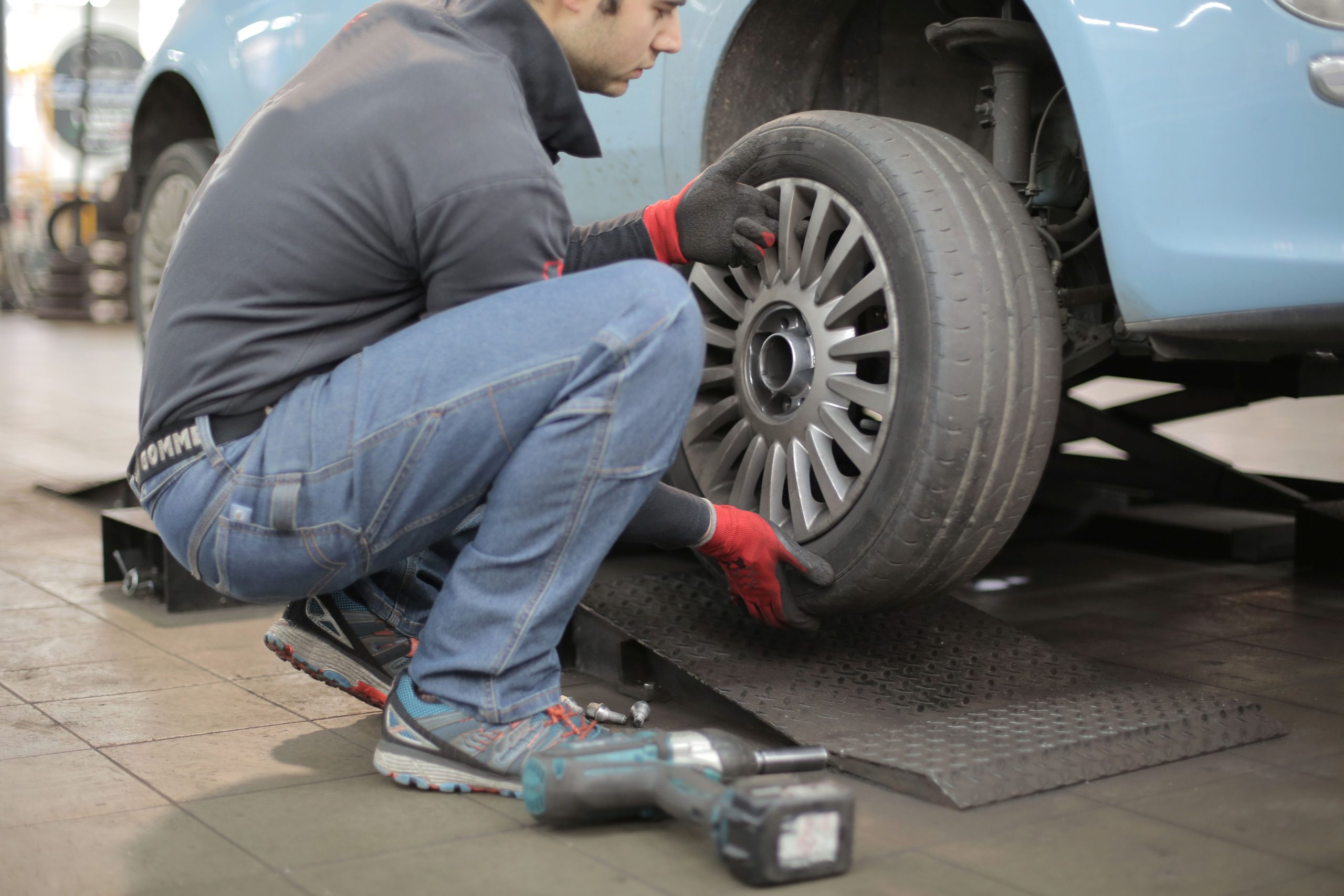
If you have a helper available, the traditional method still works well: one person presses the brake pedal several times and holds it down, while the other opens the bleed screw to release pressurized fluid, then closes it before the pedal is released — repeating at each wheel in the correct order. This method requires clear communication between both people to avoid closing the screw too late or releasing the pedal before the screw is closed, either of which can draw air back into the line.
If you’ve noticed a soft or spongy pedal that prompted you to bleed the brakes in the first place, our guide on when to replace rotors and our breakdown of why a car shakes when braking cover related symptoms that sometimes accompany or get confused with air in the brake lines.
How to Know When You’re Done
Watch the fluid coming out of the bleed screw — when you stop seeing bubbles and the fluid runs clear rather than cloudy or discolored, you’ve successfully bled most of the air and old fluid out of that wheel’s line (Lowe’s). After bleeding all four wheels in the correct order, test the pedal — it should feel firm and responsive, not soft or spongy. A pedal that still feels soft after a full bleeding cycle usually means air remains trapped somewhere, and the process needs to be repeated at that specific wheel.
Frequently Asked Questions
How often should brake fluid actually be flushed?
Most manufacturers recommend a full brake fluid flush every 2-3 years, since brake fluid absorbs moisture over time even in a sealed system, which lowers its boiling point and reduces braking performance under hard use.
What type of brake fluid should I use?
Use exactly the type specified in your owner’s manual — typically DOT 3, DOT 4, or DOT 5.1 — since mixing incompatible fluid types can damage seals and compromise the entire brake system.
Can I bleed brakes without removing the wheels?
On most vehicles, yes — the bleed screws are typically accessible enough through the wheel spokes or after just loosening (not fully removing) the wheel, though a full wheel removal gives clearer access on some vehicles.
Is a spongy pedal always caused by air in the lines?
Usually, but not always — a spongy pedal can also result from a failing master cylinder, a leak in the system, or worn brake components, so if bleeding doesn’t resolve it, further diagnosis is warranted rather than repeating the bleed process indefinitely.
The Bottom Line
Bleeding brakes by yourself is genuinely doable with the gravity method, a vacuum pump, or a two-person pedal approach — the key is following the correct order (farthest wheel from the master cylinder first, closest last) and watching for clear, bubble-free fluid as your sign you’re done. A firm, responsive pedal afterward confirms success; a pedal that’s still spongy means the process needs another pass.
Not confident tackling brake work yourself, or dealing with a persistent soft pedal? Contact San Diego Bumper and Collision for a professional brake service.