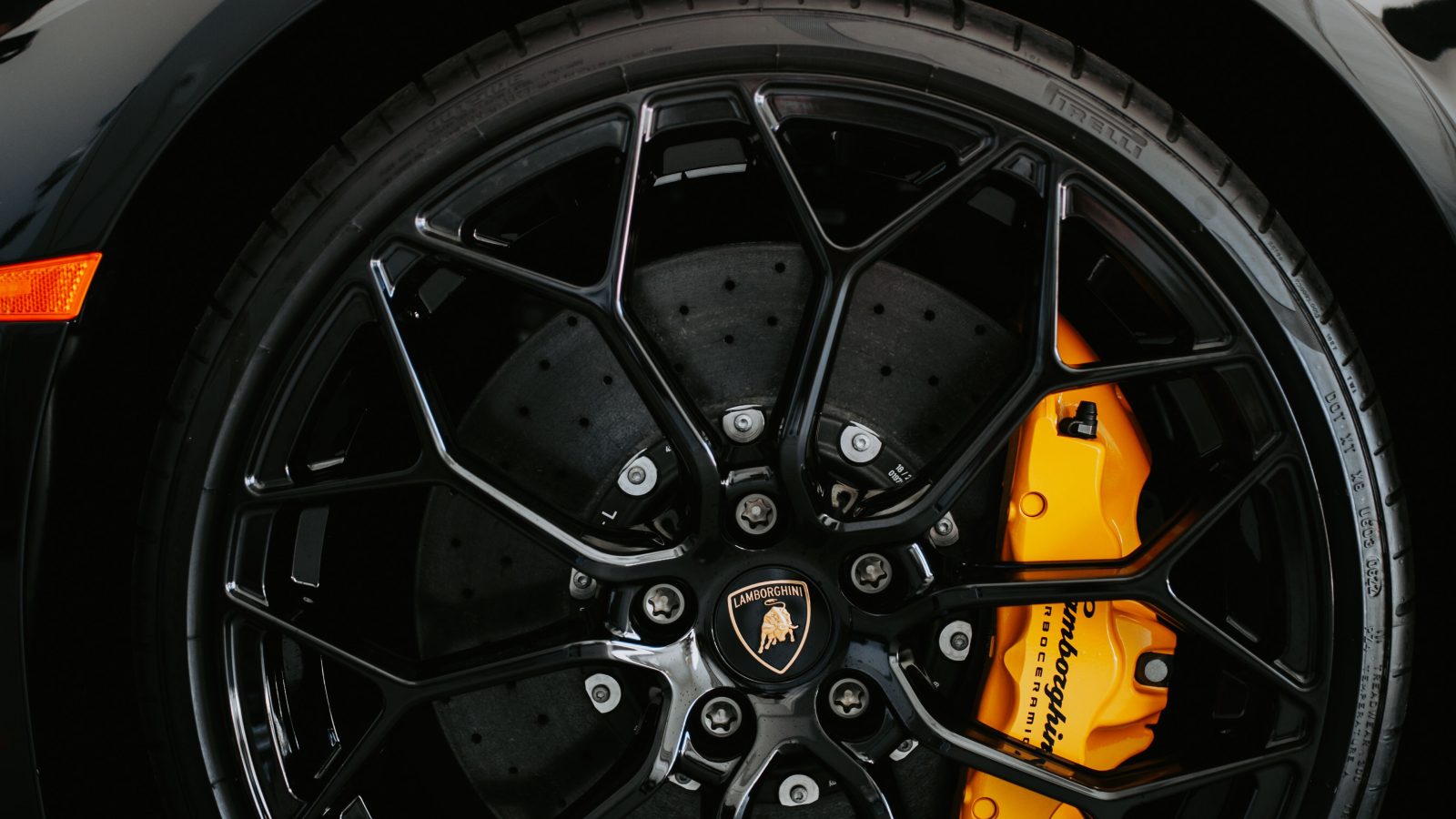
A car that shakes specifically when braking is almost always telling you about your front brake rotors — not because they’re “warped” in the way most people picture it, but because of microscopic thickness variation across the rotor’s surface. As the pads grip an uneven rotor, that unevenness translates into a pulsing brake pedal and, often, a shaking steering wheel.
Here’s what’s actually happening, how to tell it apart from other kinds of vibration, and what the fix costs depending on how far it’s progressed.
Key Takeaways
- The real cause is usually Disc Thickness Variation (DTV), not “warping” in the classic sense — microscopic unevenness in the rotor surface, often from uneven pad deposits.
- Shaking that appears specifically when braking, and gets worse the harder you brake, points to the rotors first.
- Catching it early is cheap — resurfacing a full set runs about $100-$400. Waiting until rotors are too thin means full replacement at $350-$650 per axle.
- Steering wheel shake means front rotors; a shake through the whole car or seat more often points to rear rotors or a different system entirely.
What’s Actually Causing the Shake
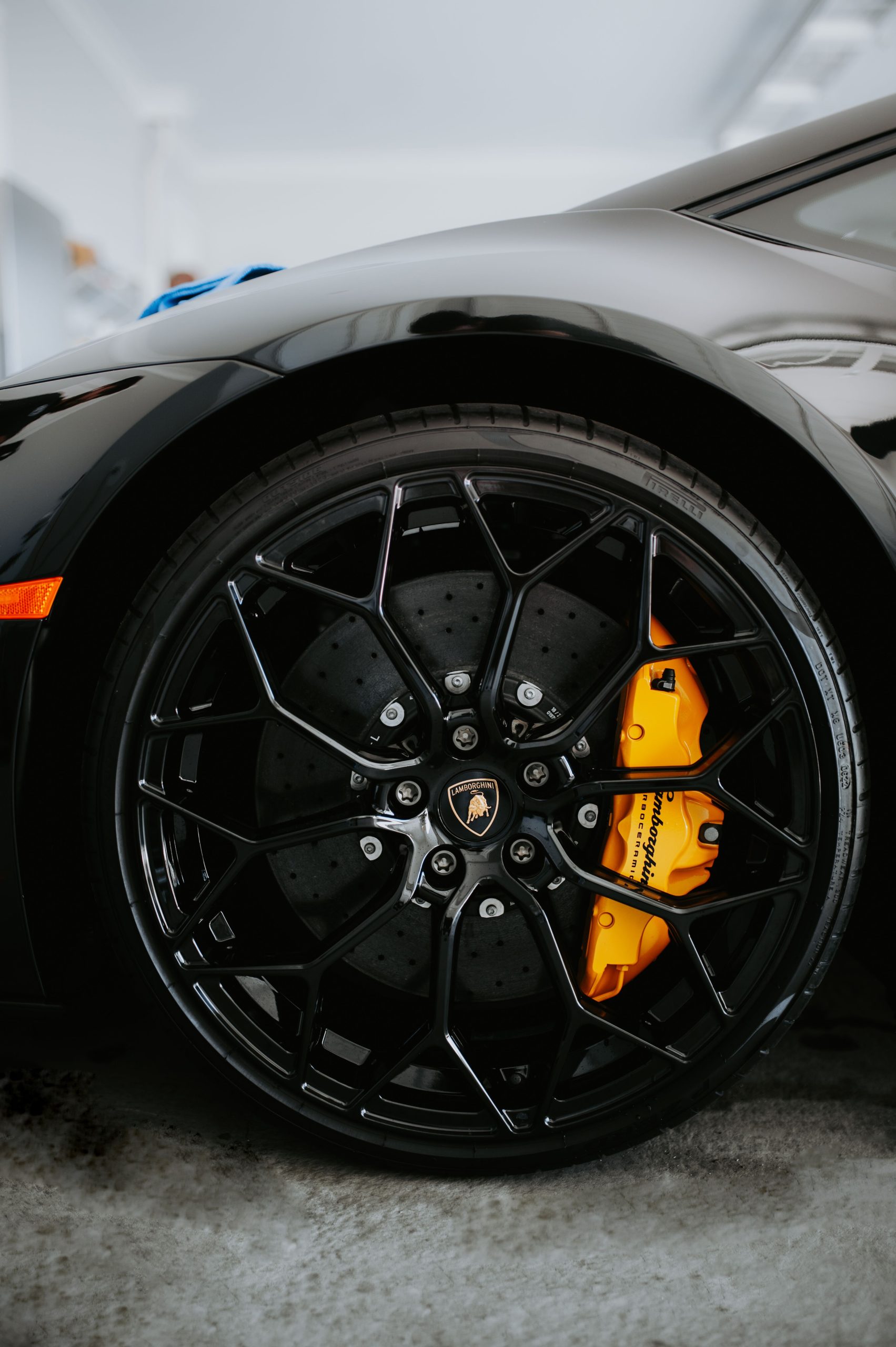
The popular explanation is that rotors “warp” from heat, bending like a bent dinner plate. The more accurate explanation is Disc Thickness Variation (DTV) — microscopic differences in rotor thickness around its circumference, most often caused by an uneven transfer of brake pad friction material onto the rotor surface rather than the rotor actually bending out of shape (iCarTea).
As the caliper clamps down, the pads ride over those thickness variations dozens of times per second at highway speed. That uneven contact is what you feel as a pulsing brake pedal — and on the front axle, it transmits straight up the steering column as a shaking wheel.
Is It the Rotors, or Something Else?
Where and when the shake happens is the fastest way to narrow it down before spending money:
- Shakes only when braking, worse with harder pressure: almost always rotor DTV. This is the classic pattern.
- Shakes at highway speed regardless of braking: more likely an unbalanced tire or wheel issue, not the brakes.
- Steering wheel shakes specifically: points to the front rotors, since that vibration transmits directly through the steering system.
- Whole car or seat shakes, not just the wheel: can point to rear rotors, or to something else entirely — worn CV joints, driveshaft issues, or a suspension component rather than the brakes.
- Bouncing after bumps rather than a pulsing shake under braking: that’s a different symptom pattern pointing toward worn struts, not the rotors.
Driving under a few different conditions — low speed, highway speed, light braking, hard braking — and noting exactly when the shake shows up does most of the diagnostic work before a shop even puts the car on a lift (Bumper).

Resurface or Replace? What It Costs
The fix depends entirely on how much rotor material is left. If the rotor is still thick enough to stay above its minimum discard thickness, a shop can machine the surface flat again. If it’s already thin, from age or from a previous resurfacing, replacement is the only safe option — going below minimum thickness risks brake failure under hard use.
Resurfacing runs roughly $20-$40 per rotor in shop labor, or up to $100 per wheel once removal and reinstallation are included — call it around $400 for a full set. Aftermarket rotor replacement for a front axle typically runs $170-$390, while OEM dealer replacement runs $350-$650 for the same axle (AutoNation Mobile Service; eBay Motors). Replacement typically costs two to three times what resurfacing does — which is exactly why catching DTV early, before rotors thin out, saves real money.
Why Rotors Wear Unevenly in the First Place
- Riding the brakes on long descents, which builds sustained heat that transfers pad material unevenly.
- Sitting stopped with the brakes applied hard right after a hard stop, letting one section of the rotor cook longer than the rest.
- Low-quality or mismatched pad material, which can deposit unevenly even under normal driving.
- Corrosion on rotors that sit unused for extended periods, creating uneven surface buildup.
None of these are dramatic one-time events — DTV builds gradually, which is why the shake tends to appear slowly, get a little worse over weeks, rather than showing up overnight.
Frequently Asked Questions
Is it safe to keep driving with shaking brakes?
For a short time, yes, but don’t let it go indefinitely. The shake itself isn’t an immediate safety failure, but it’s a sign the rotors are wearing unevenly, and ignoring it means eventually needing full replacement instead of a cheaper resurfacing.
Does resurfacing fix the problem permanently?
It resolves the current DTV, but resurfacing removes a small amount of material each time, so a rotor can only be resurfaced a limited number of times before it drops below minimum safe thickness. If the underlying habit that caused the unevenness continues, the shake can eventually return.
Should I replace brake pads at the same time as rotors?
If the pads are already worn or unevenly worn, yes — mismatched new rotors and old, unevenly worn pads can reintroduce the same DTV problem quickly. Most shops recommend replacing pads and rotors together as a set per axle.
Can new tires cause brake shaking?
Not directly, but an unbalanced tire can produce a vibration that feels similar and gets confused with rotor-related shaking. The key difference: tire imbalance shows up at speed regardless of braking, while rotor DTV shows up specifically when the brakes are applied.
The Bottom Line
A shake that appears specifically when braking, and worsens with harder pedal pressure, points to uneven front rotor wear (DTV) — not classic “warping.” Catching it early means a $100-$400 resurfacing job; waiting means $350-$650 in full replacement. If the shake doesn’t track with braking at all, look elsewhere — tires, CV joints, or struts are more likely culprits.
Feeling a pulse in the pedal or a shaking wheel under braking? Contact San Diego Bumper and Collision for a brake inspection before it turns into a full rotor replacement.