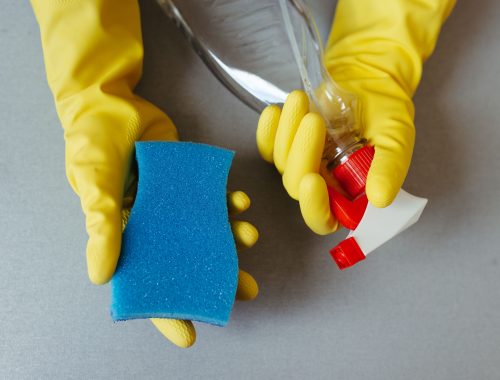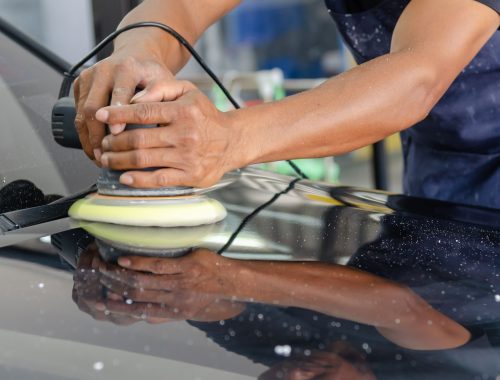

Quickly detail your car with a quick detailer spray by spraying the product onto a clean microfiber cloth (or directly onto the panel), wiping the surface in straight lines rather than circular motions, and following with a dry microfiber towel to remove any residue — all in under five minutes per panel. Quick detailer sprays remove light dust, fingerprints, and smudges between full washes while adding gloss and short-term protection, without needing a full water-and-bucket wash session.
Here’s exactly how to use one correctly, what modern formulas actually contain, and where they fit into your broader detailing routine.
Key Takeaways
- Quick detailers work in under five minutes, removing light contamination without a full wash.
- Straight-line wiping motions matter here too — the same swirl-mark risk from washing applies to spray detailing.
- Modern formulas add real protection, not just cleaning — synthetic polymers, silica nanoparticles, and even graphene derivatives are common in 2026 products.
- Many sprays work on multiple surfaces — paint, chrome, glass, plastic, and interior fabrics — though checking product labels for surface compatibility is still worth doing.
What a Quick Detailer Spray Actually Does
A quick detailer spray removes light dust, smudges, and fingerprints between full washes while boosting gloss and adding short-term protection (Gtechniq). These spray-on formulas lift dust, fingerprints, and light grime while layering on gloss and protection — the entire process taking under five minutes, making it genuinely practical as a between-wash maintenance step rather than a full detailing session.
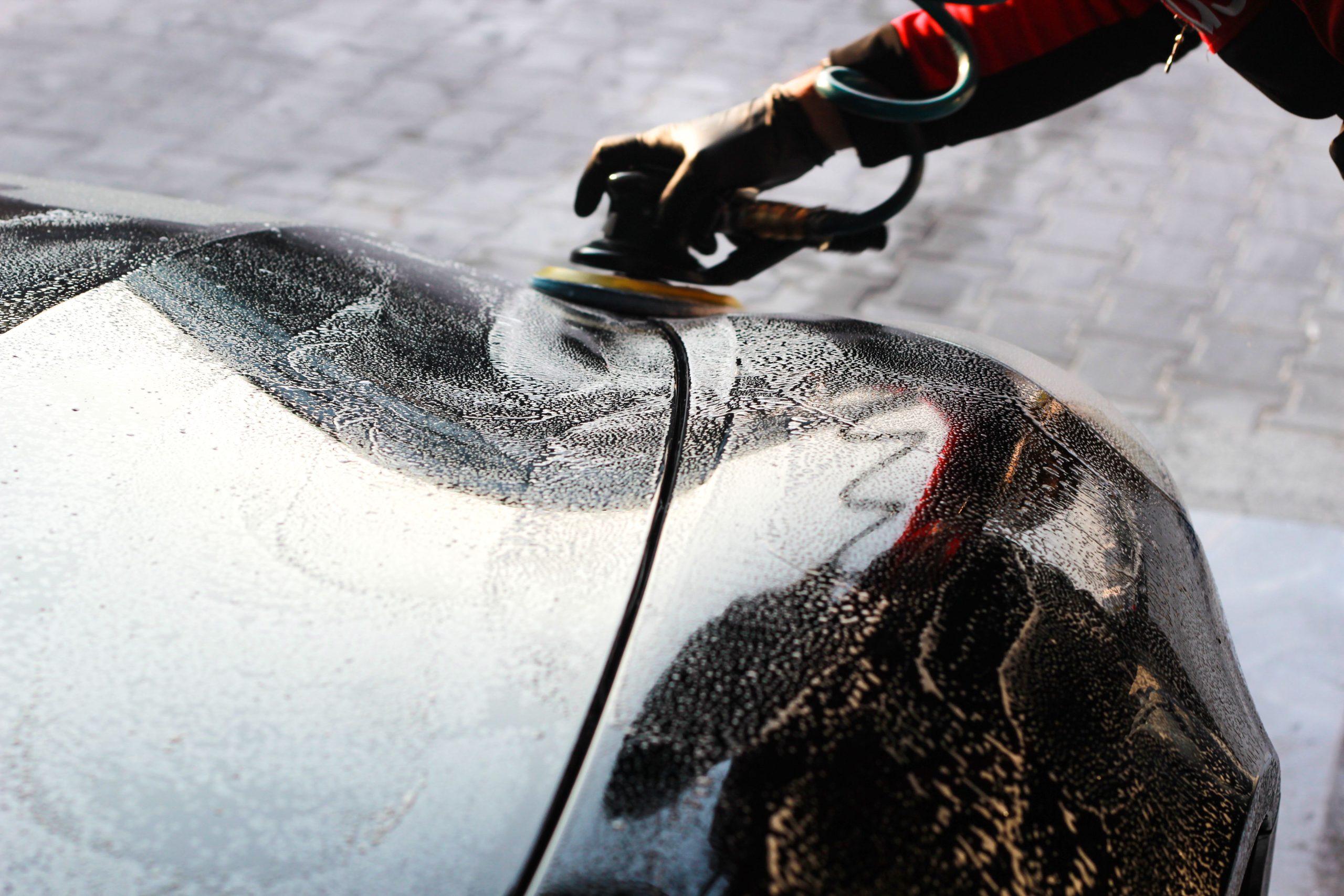
The Application Process
The application process is straightforward: spray it onto a microfiber cloth, run the cloth over the surface, then use a separate dry cloth to remove any leftover residue (Car Care Total). Use a high-quality microfiber towel and work in straight lines rather than circular motions — the same friction principle that prevents swirl marks during a full wash applies here too, since a quick detailer still involves physical contact between cloth and paint.
Where Quick Detailers Fit Into Your Routine
Quick detailers aren’t a replacement for regular washing — they’re a maintenance tool for the gaps between full washes, addressing light dust and contamination that accumulates from daily driving without requiring a complete water-and-bucket session. If you’ve just completed a full wash, our guide on how to wash your car covers that complete process, and our guide on how often to wash your car helps establish the baseline schedule that quick detailer touch-ups supplement between full washes.
Several quick detailing sprays are gentle enough for use across a variety of surfaces — paint, chrome, glass, plastic, and interior fabrics — making a single product genuinely versatile for a full quick touch-up session rather than needing separate products for each surface type.
What Modern Formulas Actually Contain
The best spray detailers in 2026 do more than just clean — they add lasting protection that keeps the car cleaner for longer and makes future contamination easier to remove on the next pass (Detailing Enthusiast). Modern formulas increasingly include synthetic polymers, silica nanoparticles, and even graphene derivatives, reflecting how far spray detailer chemistry has advanced beyond simple cleaning solutions toward genuine, if temporary, protective coatings.
Frequently Asked Questions
Can quick detailer sprays replace wax or sealant entirely?
No — quick detailers provide short-term gloss and light protection, but they don’t match the durability of a proper wax or sealant application, which is designed to last weeks to months rather than being refreshed with each light touch-up.
Is it safe to use a quick detailer on a genuinely dirty car?
Not ideally — quick detailers are designed for light dust and contamination, not heavy grime, and using one on a genuinely dirty surface risks dragging embedded dirt across the paint rather than lifting it away cleanly.
How often can I use a quick detailer without overdoing it?
Most quick detailers are gentle enough for frequent use — weekly or even more often between full washes — though checking your specific product’s guidance is worth doing, since formulations vary in intended usage frequency.
Do quick detailers work well in direct sunlight?
Generally it’s better to work in shade if possible, since direct sun can cause the product to dry too quickly before you’ve had a chance to wipe it away properly, potentially leaving streaking or residue behind.
The Bottom Line
Quick detailer sprays let you refresh a car’s appearance in under five minutes per panel — spray, wipe in straight lines, and buff dry — addressing light dust and contamination between full washes while adding gloss and short-term protection. They’re a genuinely useful maintenance tool, not a replacement for proper washing or long-term paint protection like wax or sealant.
Want your car detailed professionally or need paint condition assessed? Contact San Diego Bumper and Collision for service.