Polish metal on your car — chrome exhaust tips, aluminum trim — by first washing away loose dirt with soapy water, using a spray-on degreaser and soft-bristled brush for carbon buildup, then applying a dedicated metal polish with a microfiber applicator pad in a circular motion, buffing off when finished. For stubborn haze that basic cleaning won’t touch, 000 or 0000 fine steel wool with soap can restore shine — but never on powder-coated or painted metal, where it will strip the finish.
Here’s the full process for genuinely restoring dull, oxidized metal, and how to make the shine last longer between cleanings.
Key Takeaways
- Steel wool works on bare chrome or stainless metal but should never touch powder-coated or painted surfaces.
- Metal polish removes oxidation haze that basic soap and water can’t address.
- Multiple light passes work better than heavy pressure when applying polish.
- A graphene ceramic coating afterward reduces how much carbon and soot stick to the metal going forward, making future cleaning faster.
Step 1: Initial Cleaning
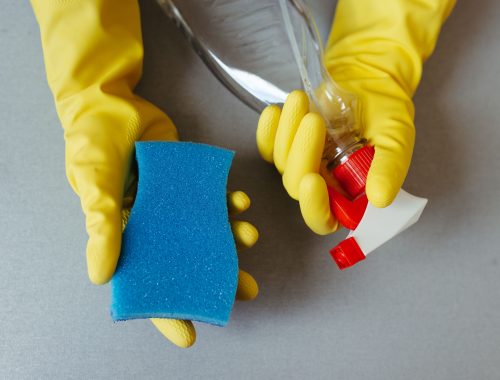
Start by filling a bucket with soapy water, dipping a microfiber towel in, and removing loose dirt from the exterior of the metal — exhaust tips accumulate a specific mix of road grime and exhaust soot that basic washing addresses first (Chemical Guys). Use a spray-on degreaser paired with a soft-bristled brush to remove carbon buildup, applying additional degreaser as needed for more thorough cleaning, particularly around and inside the tip opening where soot accumulates most heavily.
Step 2: Steel Wool for Stubborn Cases
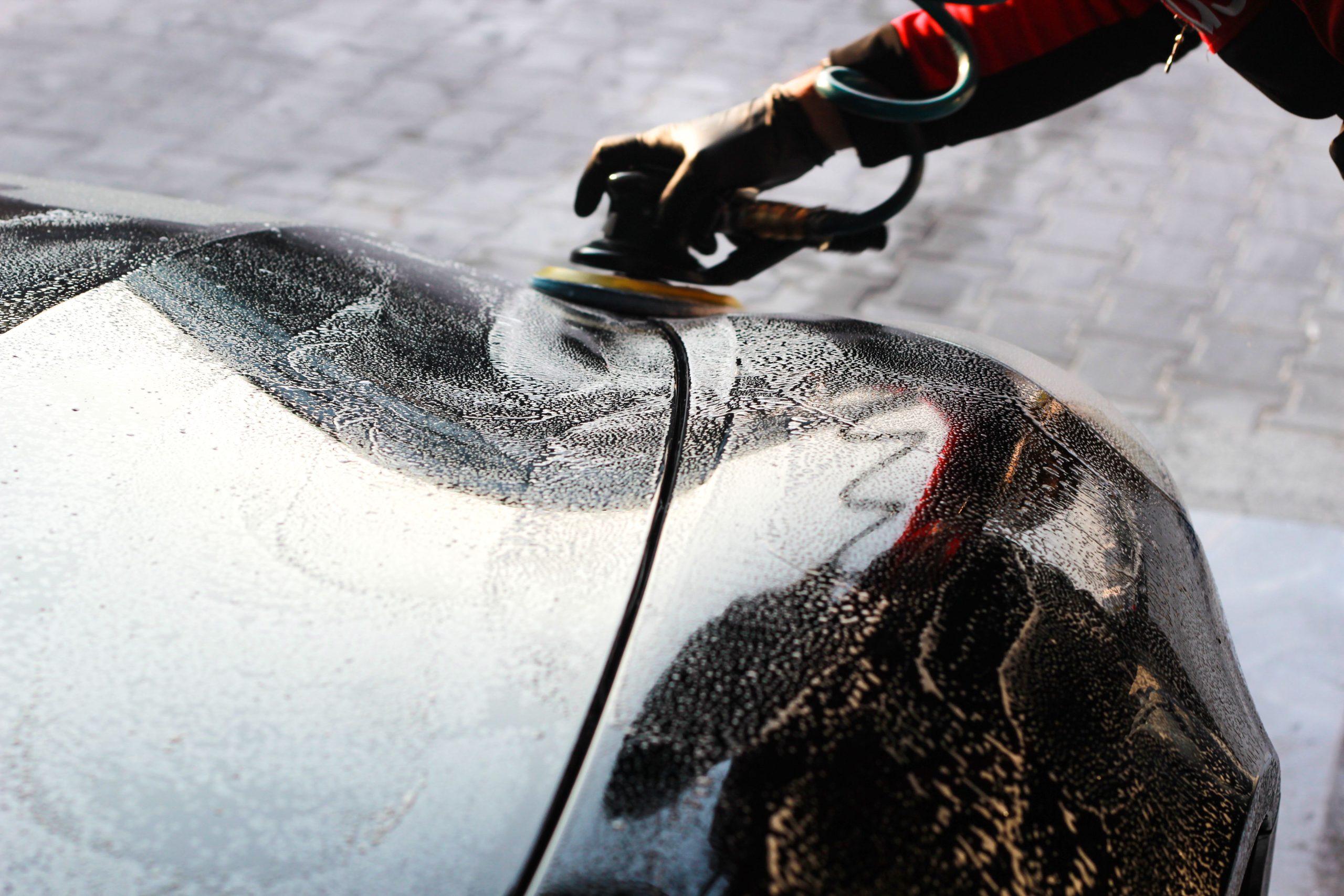
If basic cloth cleaning hasn’t restored the metal well enough, 000 or 0000 fine steel wool with soap applied to both the wool and the metal, rubbed for a few minutes, can restore shine that cleaning alone couldn’t reach (Adam’s Polishes). This grade of steel wool is fine enough to avoid scratching bare chrome or stainless steel, but it’s important to confirm your specific metal isn’t powder-coated or painted first — steel wool on those finishes strips the coating rather than restoring shine.
Step 3: Polishing the Metal
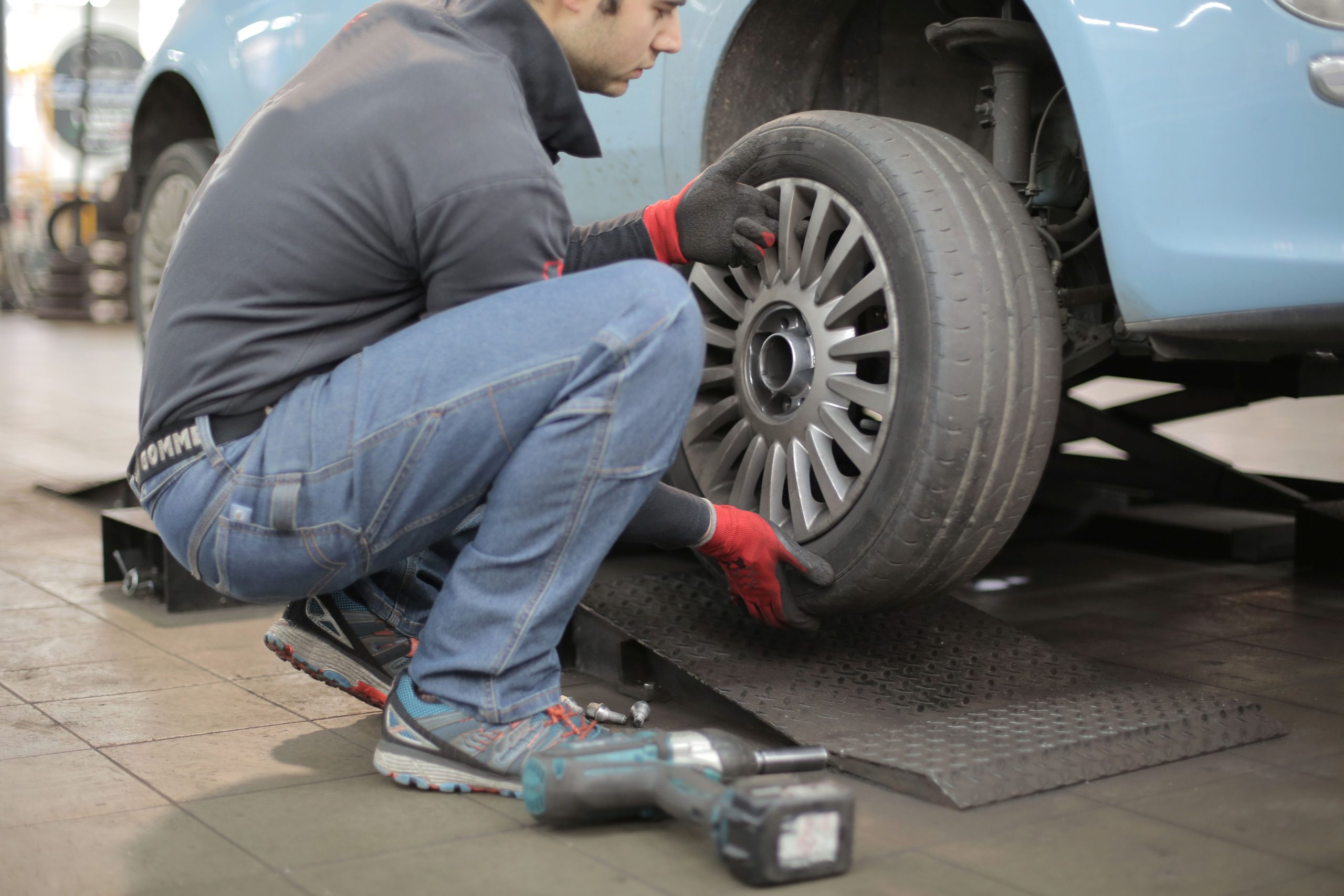
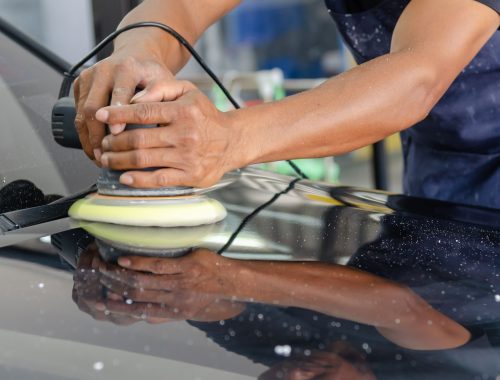
Metal surfaces often look slightly hazy or cloudy from oxidation, and a chrome or metal polish helps restore genuine luster — products formulated specifically for stainless or chrome exhaust tips work best (Stoner Car Care). Pour a few drops of metal polish onto a microfiber applicator pad and work it around the metal evenly using light pressure — multiple light passes back and forth deliver better results than pressing hard on a single pass, since the polishing compound needs repeated light contact to gradually level oxidation rather than being forced through in one aggressive attempt.
Apply liquid polish using a circular motion with a soft cloth, and buff off once the section is complete. If you’re addressing other exterior surfaces alongside metal trim, our guide on cleaning car trim covers the plastic trim restoration process that often gets tackled in the same detailing session.
Step 4: Protecting the Shine
After polishing, consider applying a layer of graphene ceramic coating specifically to the polished metal — this makes future cleaning significantly faster, since carbon and soot stick to the treated metal less readily than to bare, unprotected surfaces (Car Wash Country). This protective step converts a labor-intensive periodic deep-clean into a much lighter routine wipe-down for future maintenance, genuinely worth the modest extra time investment right after you’ve already done the hard work of full polishing.
Frequently Asked Questions
How often does exhaust tip metal need this full treatment?
It depends heavily on driving conditions and whether a protective coating has been applied — untreated tips on a daily driver might need full treatment every few months, while coated tips can go significantly longer between deep cleanings.
Can I use the same metal polish on aluminum wheels?
Many metal polishes work across different metal types, but check the specific product label — some formulations are optimized specifically for chrome or stainless steel and may not perform as well or could even be too aggressive for softer aluminum surfaces.
Is it safe to use steel wool near the car’s paint?
No — keep steel wool strictly confined to the metal component itself, since even light contact with painted surfaces can cause scratching; masking off adjacent paint or working carefully with painter’s tape as a buffer is a reasonable precaution.
Does high heat from driving affect how often metal needs polishing?
Yes — exhaust tips specifically experience significant heat cycling that can accelerate oxidation and discoloration compared to metal trim elsewhere on the vehicle, which is part of why exhaust tips often need more frequent attention than other chrome or aluminum accents.
The Bottom Line
Polishing metal on your car comes down to washing away loose grime, using fine steel wool on bare metal for stubborn buildup, applying a dedicated metal polish with light circular passes, and finishing with a protective coating to slow future oxidation. Skip the steel wool step entirely on any powder-coated or painted metal to avoid stripping the finish, and expect the protective coating step to meaningfully reduce how often you need to repeat the full process.
Dealing with corroded or damaged exhaust or metal trim beyond a polish? Contact San Diego Bumper and Collision for an assessment.