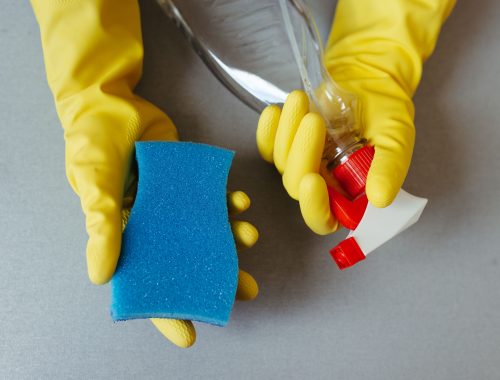
Clean and protect rubber floor mats by pulling them out of the car and shaking off loose dirt, then rinsing on a flat, well-draining surface outdoors — never inside the vehicle, since water and chemicals can soak into your carpet underneath. Spray a rubber-safe cleaner (or a light dish soap and water mix), let it dwell 20-30 seconds, scrub with a stiff-bristled brush, rinse fully, and let the mats dry completely before returning them. Finish with a light application of floor mat protectant to restore shine and guard against UV fading — too much makes the surface slippery, so less is genuinely more here.
Here’s the full cleaning sequence, why outdoor rinsing matters, and how to apply protectant without creating a slip hazard.
Key Takeaways
- Always clean rubber mats outside the vehicle — washing them in place risks soaking the carpet underneath.
- Cleaner dwell time is short — 20-30 seconds only, since longer contact can discolor the rubber.
- Use a stiff, not harsh, brush — aggressive bristles can scratch and damage the rubber surface.
- Apply protectant sparingly — too much creates a slippery driving surface rather than just added shine.
Cleaning Rubber Mats Step by Step
Pull the rubber mats out of the car and shake them to remove as much loose dirt and debris as possible before you start, then lay them flat on a well-draining outdoor surface — never wash them inside the vehicle, since water and chemicals can soak into the carpet beneath them (Family Handyman). Use a high-pressure hose to blast off surface-level grime, focusing on the grooves where dirt tends to hide; if a hose isn’t available, dunking the mats in a bucket and rinsing works as an alternative. Spray a rubber-safe cleaner across the surface — or a light dish soap, vinegar, and water solution — and let it dwell for 20-30 seconds, but don’t let it sit much longer than that, since extended contact can discolor the material.
Scrubbing and Drying
Use a stiff-bristled brush to work the cleaner into every surface of the mat, taking time to loosen any stubborn contaminants — but avoid genuinely harsh or abrasive brushes, since they can scratch and damage the rubber surface over repeated use (Chemical Guys). Rinse off all soap and grime until the mat looks completely clean, then let it dry fully before placing it back into the car. Skipping this drying step and reinstalling a still-damp mat can trap moisture underneath, leading to a musty smell — our guide on removing bad odors from your car’s interior covers exactly this kind of moisture-driven odor problem if it’s already set in.
Applying Protectant the Right Way
To keep rubber floor mats looking good, apply a floor mat protectant after cleaning — but use only a small amount to avoid making the surface slippery underfoot, since a heavy application meaningfully increases slip risk while your feet move between the pedals. Applied correctly, protectant restores shine and guards against UV damage and fading, which also makes future cleaning noticeably easier as contaminants bond less tightly to the treated surface.
If your carpeted mats or interior carpet need a similar protective step, our guide on protecting your car’s carpets from spills and stains covers the fabric-specific version of this same proactive-protection approach.
Frequently Asked Questions
How often should rubber floor mats be cleaned?
Roughly every few weeks under normal use, or more frequently during rainy or muddy seasons when mats accumulate grime much faster than typical dry-weather driving.
Can rubber mats be cleaned in a washing machine?
No — rubber mats are too rigid and can damage a washing machine’s drum; hand cleaning outdoors with a hose and brush is the standard, safe approach for this material.
Is dish soap safe for all rubber floor mats?
Generally yes for light cleaning, though a dedicated rubber-safe cleaner is formulated specifically to avoid any discoloration risk that a generic soap might carry on certain rubber compounds.
Does protectant work on faded, sun-damaged mats?
It can restore some shine and slow further UV damage, but it won’t reverse existing discoloration or cracking — protectant is more effective as ongoing prevention than as a fix for mats that are already significantly sun-damaged.
The Bottom Line
Cleaning and protecting rubber floor mats comes down to washing them outside the vehicle, using a short cleaner dwell time and a stiff-but-gentle brush, drying them fully before reinstalling, and applying protectant sparingly to avoid a slippery surface. Done consistently, this routine keeps mats looking good and functioning safely for years longer than neglect allows.
Want your interior mats and carpet professionally cleaned and protected? Contact San Diego Bumper and Collision for a quote.