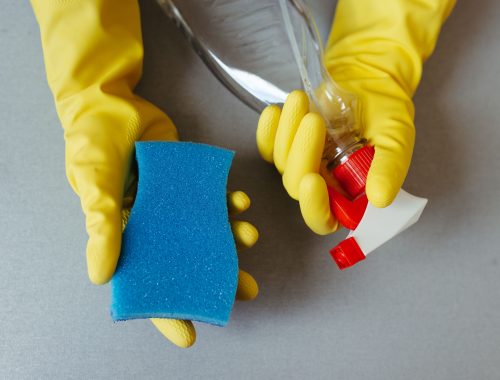
Protect your car’s carpets from spills and stains by applying a fabric protector spray with hydrophobic technology to clean, dry carpet — liquids then roll off the treated fibers instead of soaking in. Vacuum and clean the surface first, spray evenly over the entire area (a little extra on seams), and avoid saturating the material, since less product applied correctly outperforms a heavy, uneven coating. Address any spill immediately once it happens, since prompt response — even on protected carpet — prevents permanent staining and mold growth.
Here’s how protectant actually works, the application process that makes it effective, and how floor mat choice factors into the bigger picture.
Key Takeaways
- Hydrophobic fabric protector makes liquid bead and roll off rather than soaking into carpet fibers.
- Apply to clean, dry carpet only — protectant sprayed over existing dirt or stains just seals them in rather than preventing new ones.
- Less is more when applying protectant — an even, light coat outperforms a heavy, saturated application.
- Immediate spill response remains essential even with protectant applied, since the window for easy cleanup is still limited.
How Fabric Protectant Actually Works
Fabric guard uses hydrophobic technology to repel water and liquids on carpet, upholstery, seats, door panels, and other fabric surfaces, so any liquid spilled simply rolls off without touching the underlying fibers (Chemical Guys). This mechanism is genuinely different from just cleaning — protectant doesn’t remove existing stains, it changes how the fiber surface interacts with future liquid, giving you a meaningfully wider window to wipe up a spill before it soaks in and becomes a permanent stain.
Applying Protectant Correctly

The surface needs to be clean before protectant application — vacuum the carpet and use a cleaner to pull out any old, existing stains, then proceed only once the surface is genuinely clean and dry. Spray evenly over the entire surface with a little extra attention on seams, where liquid tends to collect and wick into fibers most readily, but don’t saturate the material — less is more, since an even, light coat provides the intended hydrophobic effect more consistently than a heavy application that pools unevenly.
If your carpet already has existing stains before you start this process, our guide on cleaning car seats (fabric and leather) covers a related fabric-cleaning process that applies similarly to carpet stain removal before protectant goes on.
Floor Mat Selection and Care
| Mat Type | Best For | Cleaning Approach |
|---|---|---|
| Rubber/Vinyl | Wet climates, heavy spill risk, off-road use | Hose spray, mild soap scrub, air-dry in shade |
| Carpeted | Everyday driving, factory-match appearance | Vacuum, light shampoo, agitate, blot, air-dry, apply protectant |
Using season-appropriate mats provides an additional layer of protection against dirt and moisture reaching the actual carpet underneath (CarXplorer). For rubber or vinyl mats, spray with a hose, scrub with mild soap, then rinse and air-dry in a shaded area. For carpeted mats, vacuum, shampoo lightly, agitate to loosen embedded dirt, blot with towels, and air-dry on a rack — applying a protective spray to carpeted mats specifically makes future cleaning noticeably easier over the mat’s lifespan.
Why Immediate Response Still Matters
Clean up spills immediately to prevent permanent stains and mold growth, even on carpet that’s already been treated with protectant (AAA). Protectant extends the window before a spill becomes a permanent problem, but it doesn’t eliminate the risk entirely — a liquid left sitting long enough, even on treated fibers, can eventually work its way in, particularly with repeated exposure or an especially staining substance like coffee or red wine.
Frequently Asked Questions
How often does fabric protectant need to be reapplied?
Typically every 6-12 months depending on how much wear and washing the carpet experiences — heavier foot traffic and more frequent vacuuming or shampooing both wear down protectant faster than light, occasional use.
Does protectant change the carpet’s appearance or texture?
Most quality protectants applied correctly are invisible and don’t noticeably alter texture, though heavy over-application can sometimes leave a slight residue or stiffness — reinforcing why the “less is more” application guidance matters.
Can protectant be applied to carpet that already has some staining?
It’s better to clean existing stains first if possible, since protectant applied over a stain seals it in place rather than addressing it — treat visible staining as a cleaning problem to resolve before moving to protective maintenance.
Is fabric protectant safe for all carpet colors and materials?
Most quality automotive fabric protectants are formulated to be safe across standard carpet materials and colors, but testing on a small, inconspicuous area first remains good practice, particularly for lighter colors where any subtle discoloration would be more visible.
The Bottom Line
Protecting car carpet from spills and stains comes down to applying hydrophobic fabric protectant to clean, dry carpet, choosing floor mats suited to your driving conditions, and responding to spills immediately regardless of whether protectant is already applied. This combination — proactive protection plus quick response — meaningfully reduces how often you deal with permanent staining compared to relying on cleanup alone.
Dealing with a stubborn carpet stain that won’t come out? Contact San Diego Bumper and Collision for professional interior cleaning.