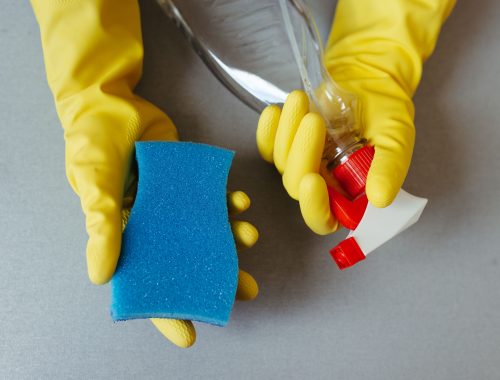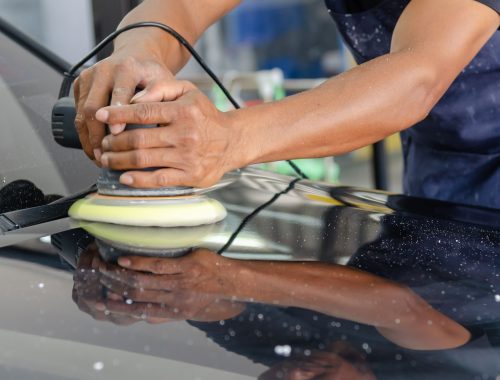

Make faded car trim shine again using a plastic trim restorer product ($15-$40 per bottle) — wash the trim with soapy water, dry it, then apply the restorer in thin, even strokes with a foam or microfiber applicator and buff lightly. Molecular-bonding formulas can restore 80-90% of the original color and resist 500+ wash cycles when applied correctly. An oil-based method works as a lower-cost alternative for a temporary shine, but skip the heat gun method entirely — it damages the plastic permanently even though it produces a quick glossy look.
Here’s how the three common methods compare, why one of them causes lasting damage, and how to keep newly restored trim looking good.
Key Takeaways
- Trim restorer products deliver the most durable shine — some resist 500+ wash cycles and restore 80-90% of original color.
- Oil-based methods work as a quick, cheap alternative but need reapplication roughly weekly to maintain the look.
- Avoid the heat gun method — it produces a temporary glossy look but permanently damages the plastic, which eventually turns gray and dull again.
- Always wash and dry the trim first, regardless of which restoration method you choose.
Choosing the Right Method
Method One: Trim Restorer Products
The most reliable way to restore faded plastic trim is a dedicated trim restorer product, typically $15-$40 per bottle — wash the plastic with soapy water, wipe it dry, apply the product, and buff lightly per the label instructions (SlashGear). Molecular-bonding formulas like Solution Finish can restore 80-90% of the trim’s original color and have demonstrated resistance to over 500 wash cycles when applied correctly (Chemical Guys). Use a foam or microfiber applicator pad, apply a small amount of product, and work it in thin, even strokes over one section of trim at a time for the most consistent finish.
Method Two: The Oil-Based Alternative

Gently rub an oiled towel onto faded plastic using small, circular motions, flipping to a clean section of the towel and adding more oil as needed until the oil covers all faded areas. Let the plastic absorb the oil for five to ten minutes, then buff the surface lightly with a separate dry towel using rapid circular motions. This method costs less upfront than a dedicated restorer, but the shine fades faster — reapply oil at least weekly to maintain the look and keep providing UV protection to the trim.
Why the Heat Gun Method Should Be Avoided
A heat gun set to low or medium heat, held about six inches from the trim and moved slowly, can bring the plastic’s oils back to the surface and produce a temporary glossy look — but this genuinely damages the plastic (Chemical Guys). Torched plastic eventually turns gray and dull again, since nothing about the underlying material has actually been repaired, and repeated use of this method compounds the damage over time. If your trim needs cleaning before any restoration attempt, our guide on cleaning car trim covers the prep process, and once you’ve achieved the shine you want, our guide on applying trim and vinyl protectant covers how to maintain and extend that result going forward.
Frequently Asked Questions
How long does trim restorer typically last before reapplication?
Quality molecular-bonding restorer products can last for months and hundreds of wash cycles, while lower-cost sprays and oil-based methods generally need reapplication weekly to a few times a month depending on wash frequency and sun exposure.
Can trim restorer be used on interior plastic as well as exterior trim?
Many restorer products work on both, though it’s worth checking the specific product label, since some exterior-focused formulas include UV protection that isn’t necessary or ideal for interior-only use.
Is it safe to use trim restorer on textured black plastic bumpers?
Yes generally, and this is one of the most common applications — textured black bumper plastic fades especially visibly, making it one of the best candidates for a molecular-bonding restorer treatment.
Does washing the car wash away trim restorer quickly?
Quality products are formulated to resist regular wash cycles, though some early wear is normal — this is exactly why a wash-cycle resistance rating matters when choosing between competing restorer products.
The Bottom Line
Making faded car trim shine again comes down to choosing between a durable molecular-bonding restorer product for long-term results or a cheaper oil-based method that needs weekly upkeep — and avoiding the heat gun method entirely, since its quick shine comes at the cost of permanent plastic damage. Starting with clean, dry trim gives whichever method you choose the best chance of an even, lasting finish.
Want your faded trim professionally restored? Contact San Diego Bumper and Collision for a quote.