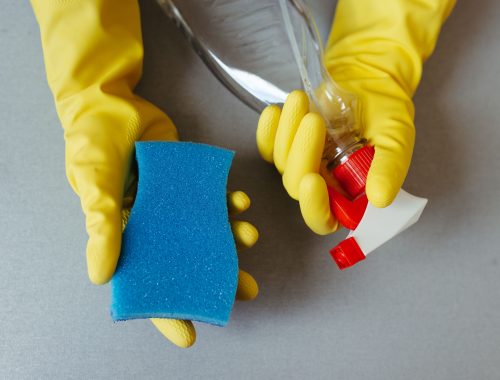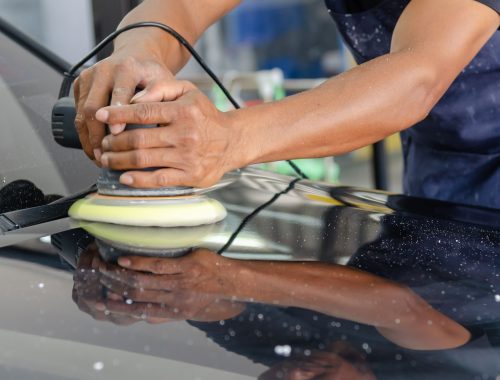
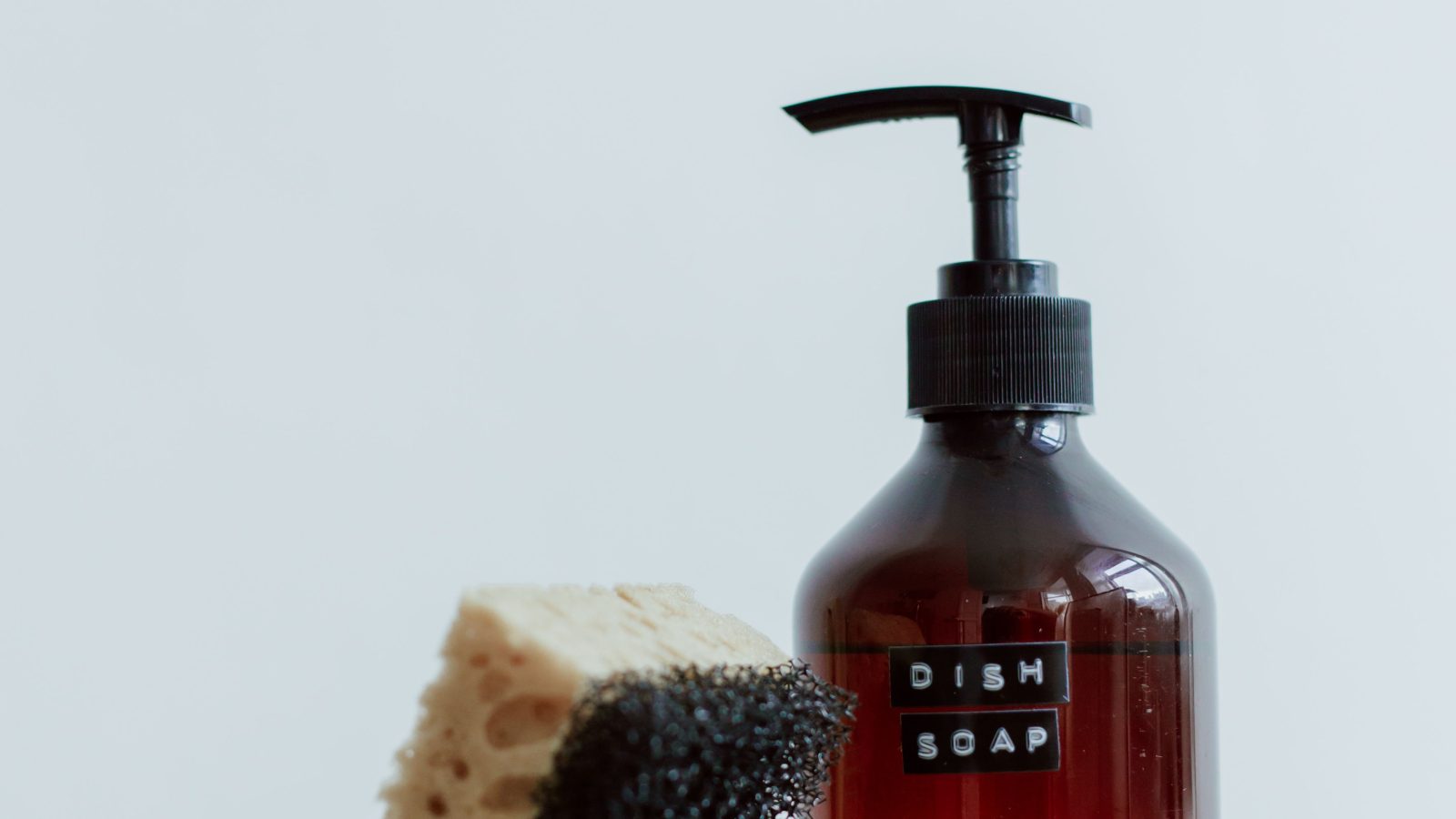
You can use dish soap on your car occasionally, but not as your regular wash product — dish soap strips away protective coatings like wax, sealant, and ceramic finishes faster than dedicated car wash soap, and it lacks the lubricating properties car shampoo offers, which raises the risk of scratches during washing. A drop or two in a spray bottle works fine as a quick-fix spot treatment for tree sap or bird droppings, or before a planned wax or sealant application, but repeated full washes with dish soap will dull your clear coat over time.
Here’s exactly what dish soap does to paint, wax, and trim, and the narrow situations where it’s actually a reasonable choice.
Key Takeaways
- Dish soap strips wax and sealant faster than car shampoo — it’s formulated to break down grease, which includes the protective layer you’ve applied.
- It lacks lubricating properties — car-specific shampoo includes lubricants that reduce scratch risk during contact washing; dish soap doesn’t.
- Rubber seals and plastic trim can dry out and crack from dish soap’s grease-cutting ingredients over repeated exposure.
- Occasional, targeted use is fine — a diluted spot treatment or pre-wax strip-down are reasonable exceptions to the “don’t” rule.
When Dish Soap Is (and Isn’t) Appropriate
Why Dish Soap Damages Protective Coatings
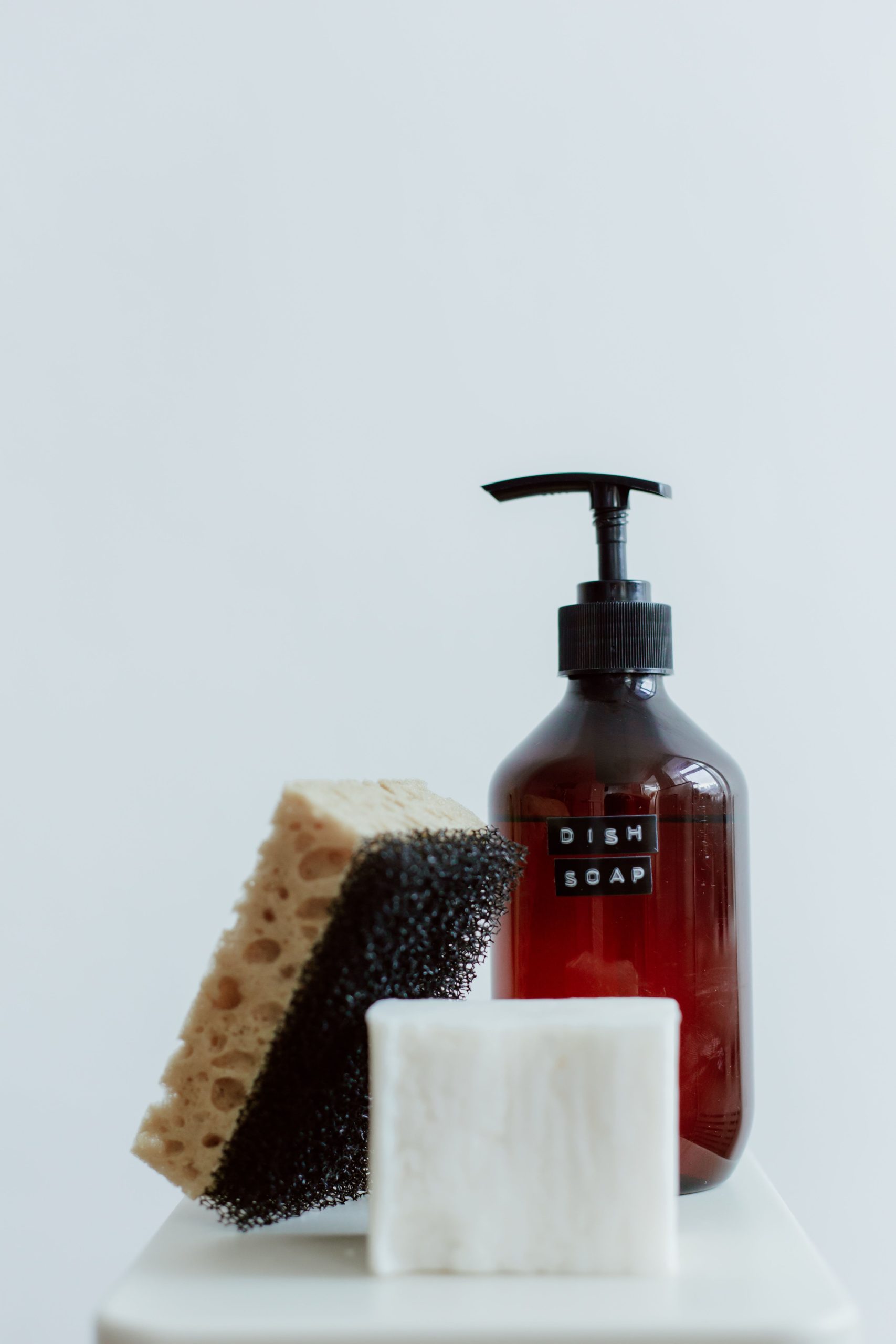
Dish soap strips away protective coatings — wax, sealants, ceramic finishes — the layers actively keeping your car safe from the elements, and it can weaken or remove them faster than proper car wash soap does (Chemical Guys). This makes sense once you consider what dish soap is engineered to do: break down grease on cookware, which is chemically similar to what a wax or sealant layer is meant to resist. Beyond wax removal, dish soap draws oils out of rubber seals and plastic trim, leaving them dry, brittle, and discolored over time, and it can even work into the clear coat itself, stripping the paint’s natural oils and accelerating aging.
Increased Scratch Risk
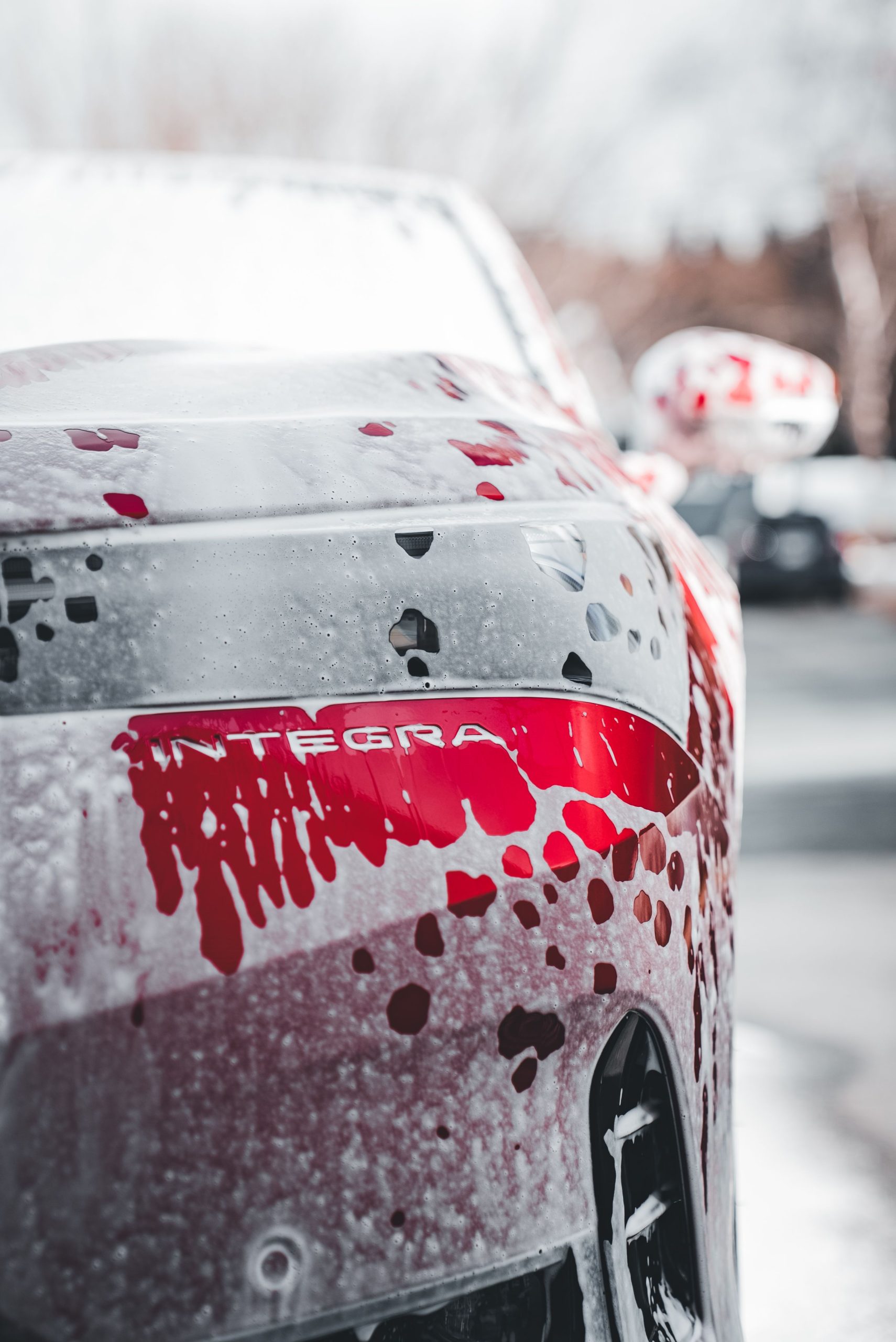
Dish soap doesn’t offer the lubricating properties that dedicated car shampoos provide, which meaningfully increases the risk of scratches during contact washing (Xpresso Lube). Car-specific soap is formulated to reduce the friction between your wash mitt and the paint, which is exactly the friction-reduction philosophy behind the scratch-free wash method — using dish soap works against that principle rather than supporting it. If you want the safest regular-use alternative, our guide on choosing the right car wash soap covers how to identify a genuinely pH-neutral, automotive-formulated product.
The Narrow Cases Where It’s Actually Fine
Since dish soap can strip wax or sealant from the clear coat, it’s genuinely useful if you’re planning to detail or rewax the car afterward — in that specific context, the stripping effect works in your favor rather than against you. A drop or two of dish soap diluted in a spray bottle is also a reasonable quick-fix for spot-removing tree sap or bird droppings, since it’s a brief, targeted, one-time contact rather than a full wash cycle repeated week after week. Nonabrasive dish soap used infrequently for a full wash is unlikely to cause serious harm, but repeated regular use will degrade the clear coat over time, creating a dull appearance and making the paint more vulnerable to further damage.
Frequently Asked Questions
Is any dish soap safer than others for this kind of occasional use?
A nonabrasive, fragrance-free formula is generally the safer choice among dish soaps if you do use one occasionally, since heavily scented or abrasive formulas can carry additional additives that aren’t necessary for the job.
Does dish soap damage matte or satin paint finishes differently than gloss?
Matte and satin finishes can be more sensitive to any harsh chemical, including dish soap, since their texture is more easily altered by products that strip oils or leave residue, making car-specific products even more worth prioritizing on these finishes.
Can dish soap be used safely on wheels or tires instead of paint?
It’s generally safer to use a dedicated wheel cleaner, since wheel finishes and coatings can react differently to dish soap’s grease-cutting chemistry than clear coat paint does.
How quickly does dish soap damage become visible?
A single use rarely causes visible damage, but repeated weekly washing with dish soap over a few months can produce noticeably duller paint and drier trim compared to a car washed consistently with pH-neutral car shampoo.
The Bottom Line
Dish soap isn’t a safe regular substitute for car wash soap — it strips protective coatings, dries out trim, and lacks the lubrication that reduces scratch risk during washing. It’s fine occasionally for spot-treating sap or droppings, or intentionally stripping wax before a fresh coat, but your everyday wash routine deserves a genuinely automotive-formulated, pH-neutral soap instead.
Want expert advice on the right products for your car’s finish? Contact San Diego Bumper and Collision for a consultation.