Detail your car every 4-6 months for most driving conditions — roughly two to three times a year, which most professional detailers agree on as the baseline. Vehicles parked outdoors, exposed to snow and road salt, or driven daily should detail every three to four months instead. Coastal areas with salty air accelerate corrosion, pushing recommended frequency to every two to three months, while dry, sunny climates mainly deal with UV damage and can generally stick to the standard 4-6 month window. A high-quality paint protection product can extend the time between full details by months or even years.
Here’s how driving conditions, parking location, and climate each shift the ideal interval, and why paint protection changes the math entirely.
Key Takeaways
- 4-6 months (2-3 times a year) is the general baseline for average driving conditions and garage parking.
- Coastal, salt-exposed vehicles need detailing every 2-3 months — salty air accelerates corrosion meaningfully faster than inland conditions.
- Outdoor parking alone shortens the interval to quarterly, even without heavy salt or coastal exposure.
- Paint protection products extend the gap between full details, sometimes by years with a quality ceramic coating.
Detailing Frequency by Condition
How Driving Conditions Shift the Baseline
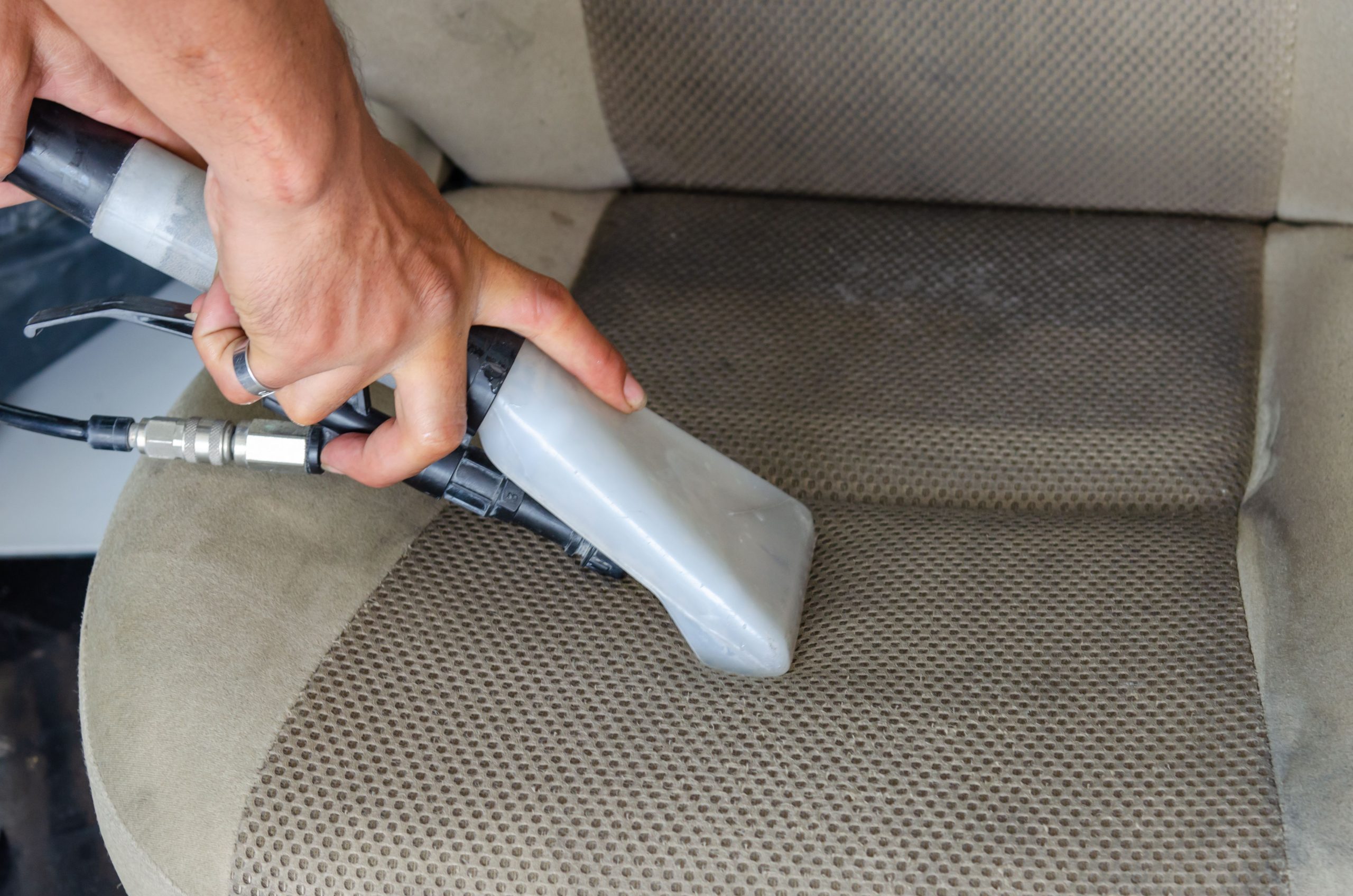
For most vehicles, scheduling professional detailing every 4-6 months is advisable, translating to two to three times per year as the baseline most sources agree on for average driving conditions (Ceramic Pro). Urban and suburban use generally fits comfortably within a three-to-six-month interval, while off-road and heavy-duty vehicles benefit from monthly to bi-monthly detailing given the more intense contamination they accumulate. Daily drivers, cars parked outdoors, or vehicles regularly exposed to snow and road salt should detail every three to four months rather than stretching to the full six-month window.
Parking Location and Climate Both Matter
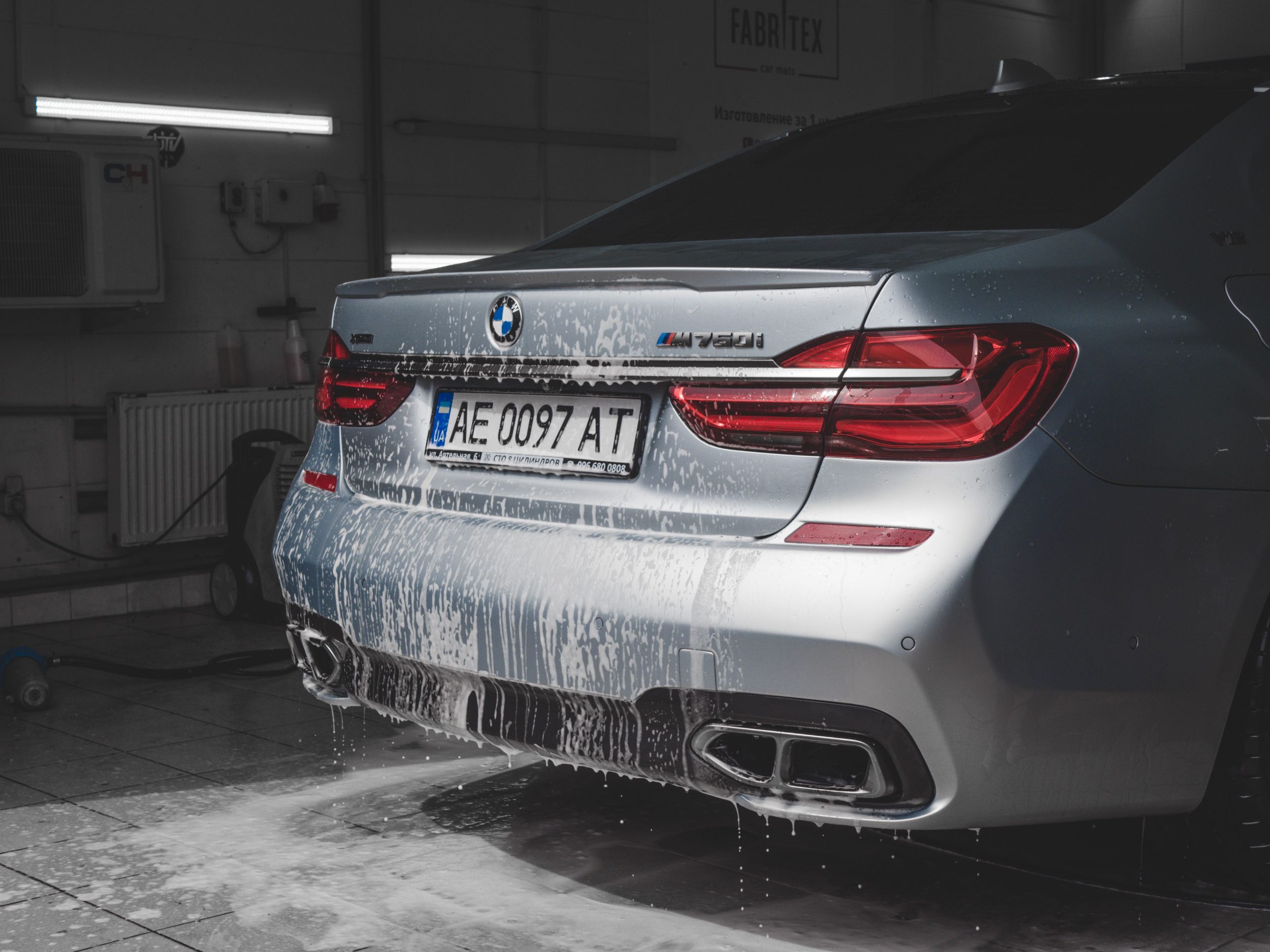
Outdoor parking alone pushes the recommended interval to quarterly, while indoor or garage parking generally allows the standard four-to-six-month window to remain adequate (Ecoshine Mobile Auto Detailing). Climate compounds this further — coastal areas with salty air accelerate corrosion on a car’s exterior, requiring detailing every two to three months to prevent rust and paint damage. Dry, sunny climates carry a different primary concern, UV damage, which generally still fits within the standard four-to-six-month detailing window rather than needing the more aggressive coastal schedule. If UV exposure is your main climate concern, our guide on protecting your car from sun damage covers targeted prevention steps that work alongside your regular detailing schedule.
How Paint Protection Changes the Math
Having a high-quality paint protection product applied to your vehicle can help extend the time between full car details by several months, and in some cases years, since the protective layer reduces how quickly contamination bonds to the surface in the first place. Our guide on applying a ceramic coating covers one of the strongest options for extending this interval, while our guide on washing a ceramic coated car covers the maintenance routine that keeps that extended interval genuinely achievable rather than just theoretical.
Frequently Asked Questions
Does “detailing” mean the same thing as a regular car wash?
No — a regular wash addresses surface dirt, while a full detail includes deeper interior cleaning, paint correction where needed, and protective product application, making it a more thorough and less frequent service than routine washing.
Can DIY detailing replace professional detailing entirely?
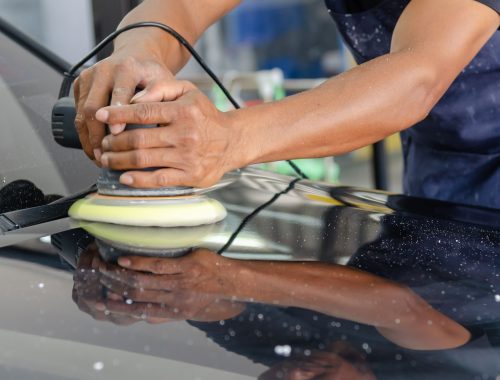
For routine maintenance, yes to a large extent, though professional detailing often includes equipment and expertise — like machine polishing or interior extraction — that’s harder to fully replicate at home.
Is more frequent detailing ever actually harmful to a car’s paint?
Excessive polishing specifically can thin clear coat over time if done too often, though routine washing and interior cleaning at recommended intervals doesn’t carry this same risk.
How do I know if my specific car needs detailing sooner than the general schedule?
Watch for dulling paint, reduced water beading, visible interior grime, or contamination that a regular wash isn’t fully removing — these signs indicate it’s time regardless of where you are in a calendar-based schedule.
The Bottom Line
How often you should detail your car depends less on a fixed calendar and more on your actual driving conditions, parking situation, and climate — ranging from every two to three months for coastal, salt-exposed vehicles to every four to six months for garage-kept cars in mild climates. Paint protection products meaningfully extend this interval, making the upfront investment worthwhile for owners who want to detail less often without letting their car’s condition slip.
Ready to schedule a professional detail tailored to your driving conditions? Contact San Diego Bumper and Collision for a quote.