Wash a ceramic coated car by starting at the roof and working down, so grit never drags across paint you’ve already cleaned, using two buckets with grit guards — one for soapy water, one for rinsing your mitt. Only use products specifically formulated for ceramic coatings, since standard car soap doesn’t maintain the coating’s hydrophobic properties the way a dedicated ceramic wash does. Dry with a dedicated microfiber towel or a forced-air blower and never let the car air-dry. If the coating is performing properly, you shouldn’t need a full hose-and-bucket wash most of the time — a quick ceramic-safe rinse or spray detailer often suffices between deeper washes.
Here’s why ceramic-specific soap matters more than technique alone, what to look for in a maintenance product, and how often the hydrophobic layer actually needs replenishing.
Key Takeaways
- Use ceramic-specific wash soap — standard car soap doesn’t replenish the coating’s hydrophobic layer the way a dedicated product does.
- Look for SiO2 in the product — the same base ingredient in ceramic coatings, which actively restores water-beading behavior.
- A coated car needs washing less often — a well-maintained coating sheds dirt more easily, reducing how frequently a full wash is necessary.
- Apply a maintenance product every 2-4 weeks — this replenishment cycle is the single biggest factor in coating longevity.
The Maintenance Cycle
Washing Technique for Coated Paint
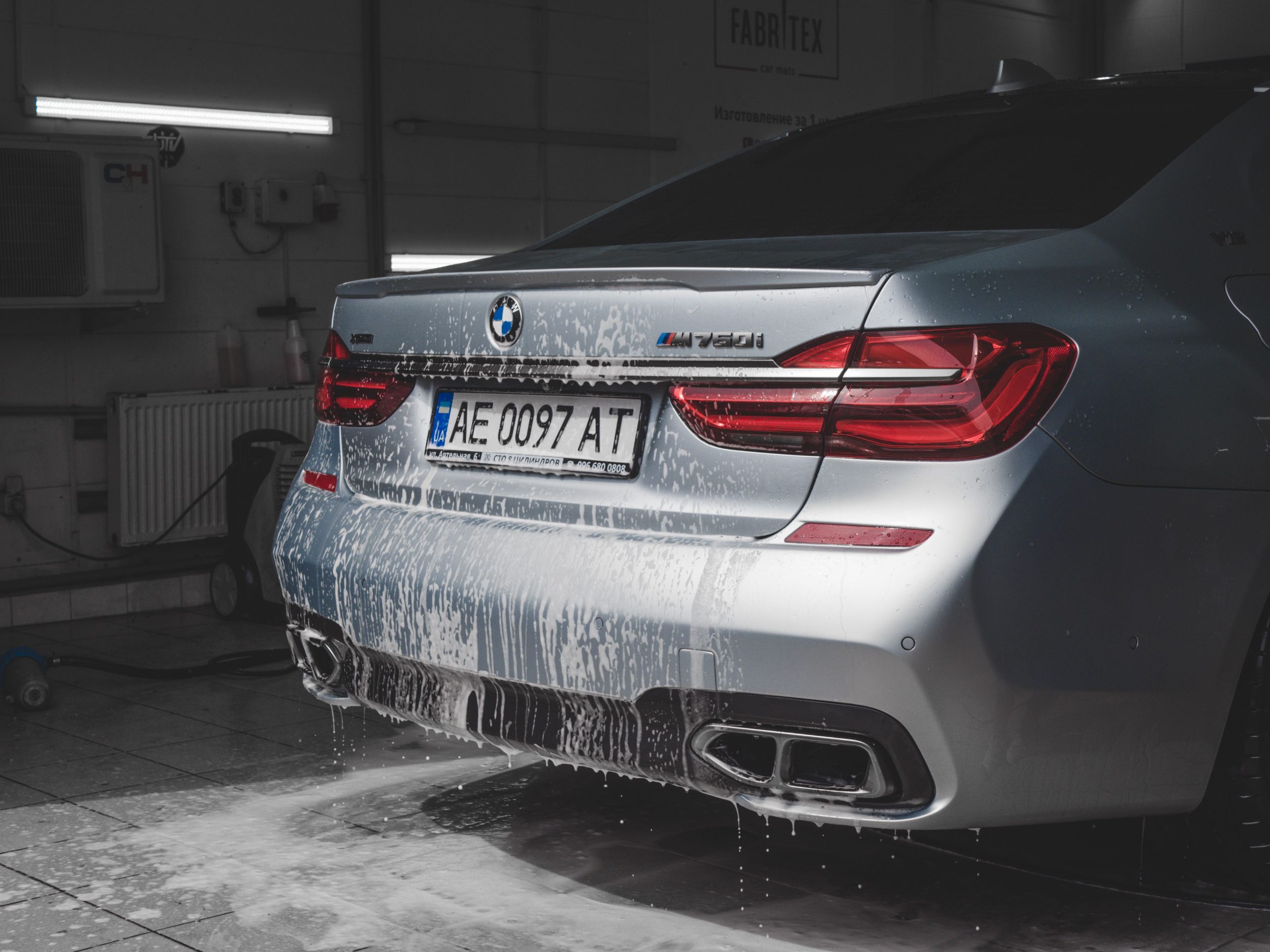
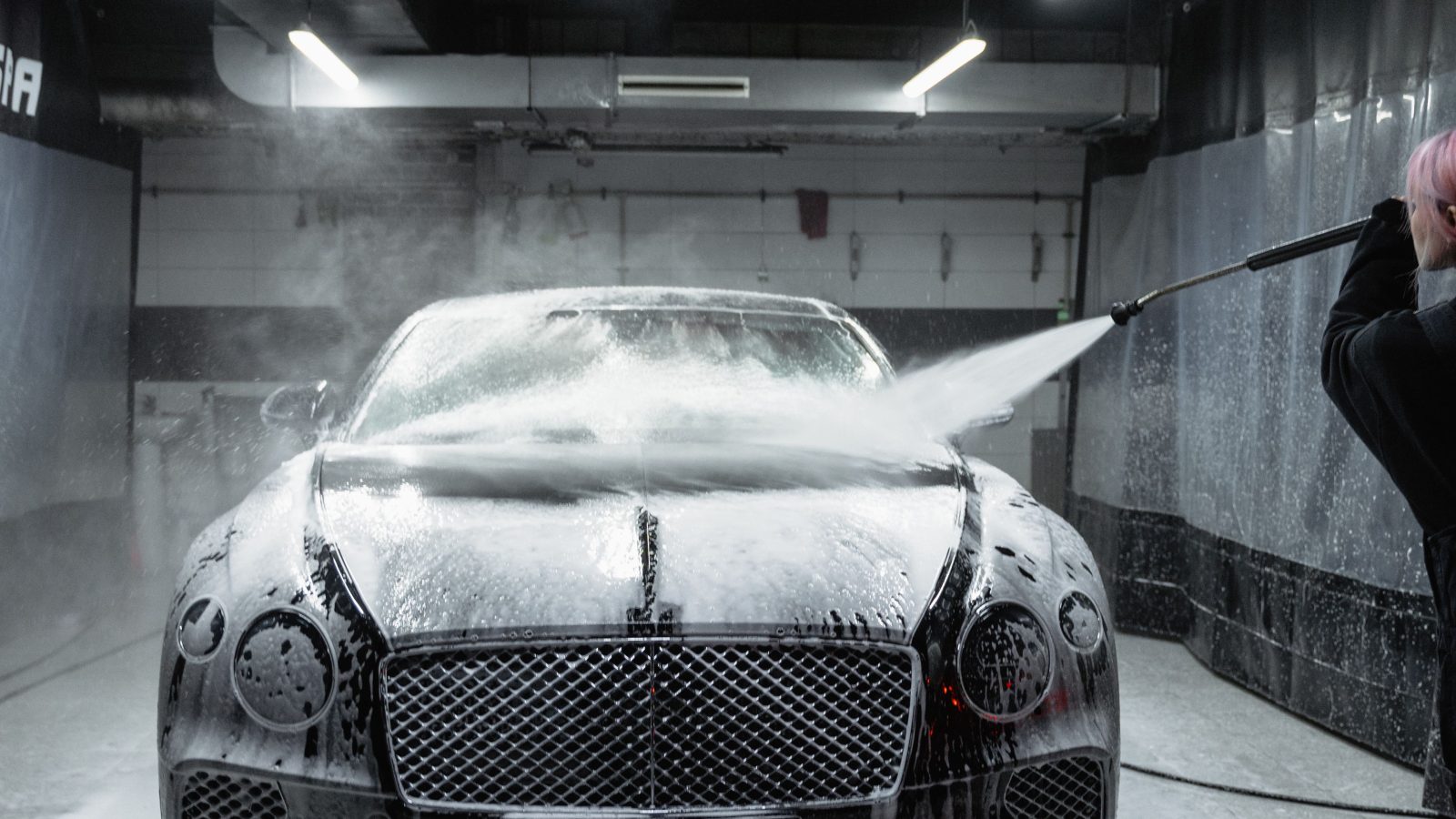
If your ceramic coating is performing properly, your car shouldn’t need a full hose-and-bucket wash most of the time, since the hydrophobic surface sheds loose dirt more readily than uncoated paint. When you do wash, start at the roof and work down so you’re not dragging grit across clean paint below (Ethos Car Care). Use two buckets with grit guards — one for soapy water, one for rinsing your mitt — the same two-bucket principle covered in our guide on the scratch-free wash method, though a coated surface makes this technique even more effective at preventing swirls. Use a dedicated microfiber drying towel or a forced-air blower, and never let the car air-dry, since minerals left to dry on their own can still spot a coated surface.
Choosing a Ceramic-Safe Wash Product
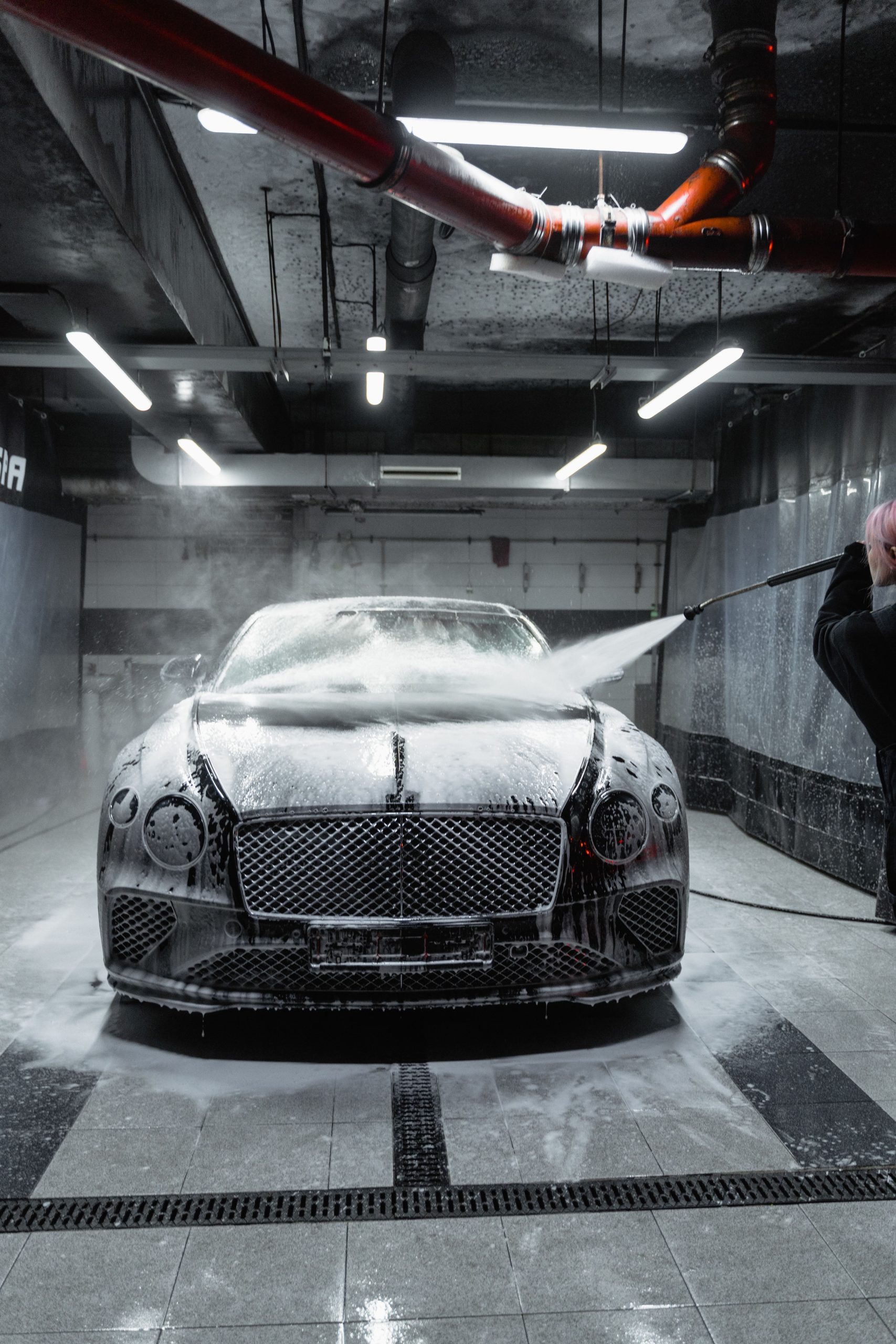
Only use products specifically formulated for ceramic coatings — the best maintenance products contain SiO2, the same base ingredient found in the ceramic coating itself, and actively replenish silicon dioxide during the wash, restoring water-beading behavior and gloss between dedicated coating maintenance sessions. Products like Meguiar’s Hybrid Ceramic Wash & Wax offer a convenient 2-in-1 approach, gently cleaning while depositing a layer of hybrid ceramic wax for enhanced protection and stronger water beading, and are safe on all glossy paints and clear coats. Our guide on choosing the right car wash soap covers pH-neutral selection more broadly, though ceramic-coated vehicles specifically benefit from the SiO2-replenishing formulas described here.
Ongoing Maintenance Frequency
Apply a ceramic maintenance product every 2-4 weeks to replenish the hydrophobic layer — this replenishment cycle is the single biggest factor in how long the coating’s performance actually lasts, more so than the initial application quality alone. Skipping this step lets the coating’s water-beading behavior fade gradually, even though the underlying protective layer often remains intact longer than the visible beading effect suggests.
Frequently Asked Questions
Can a ceramic-coated car be washed at an automatic car wash?
Touchless automatic washes are generally safer for a coated finish than brush-based automatic washes, which can introduce swirl marks regardless of the coating’s protective properties.
Does a ceramic coating eliminate the need for regular washing entirely?
No — it reduces how often deep washing is needed and makes dirt easier to remove, but the vehicle still accumulates contamination that needs periodic washing to maintain both appearance and coating performance.
How can I tell if my ceramic coating needs a maintenance refresh?
Reduced water beading and a duller-looking finish are the clearest signs — if water starts sheeting rather than beading tightly, it’s a sign the hydrophobic layer needs replenishing.
Is it safe to use a pressure washer on a ceramic-coated car?
Yes, generally, at moderate pressure and a reasonable distance — the coating itself doesn’t prohibit pressure washing, though the same general pressure-washer cautions that apply to any painted surface still apply here.
The Bottom Line
Washing a ceramic coated car comes down to gentle, top-to-bottom technique with two buckets, ceramic-specific SiO2-replenishing soap, and proper drying — paired with a maintenance product applied every 2-4 weeks to keep the hydrophobic layer performing. This routine protects the investment a ceramic coating represents far better than treating it like any other painted surface.
Want your ceramic-coated car professionally maintained? Contact San Diego Bumper and Collision to ask about our services.