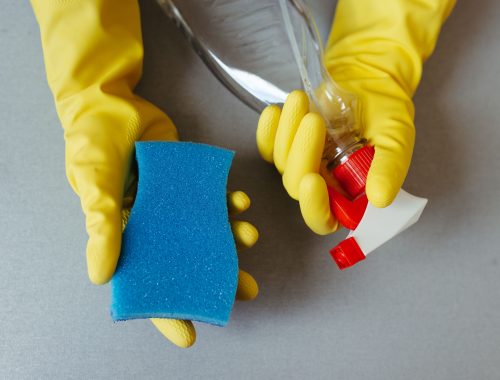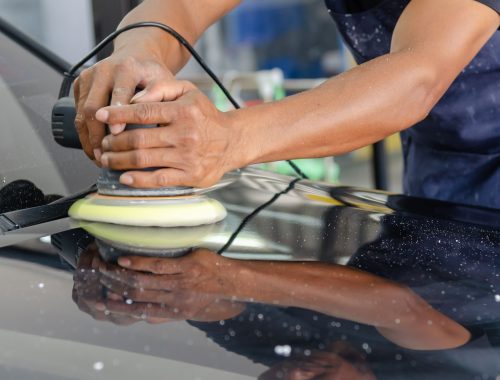
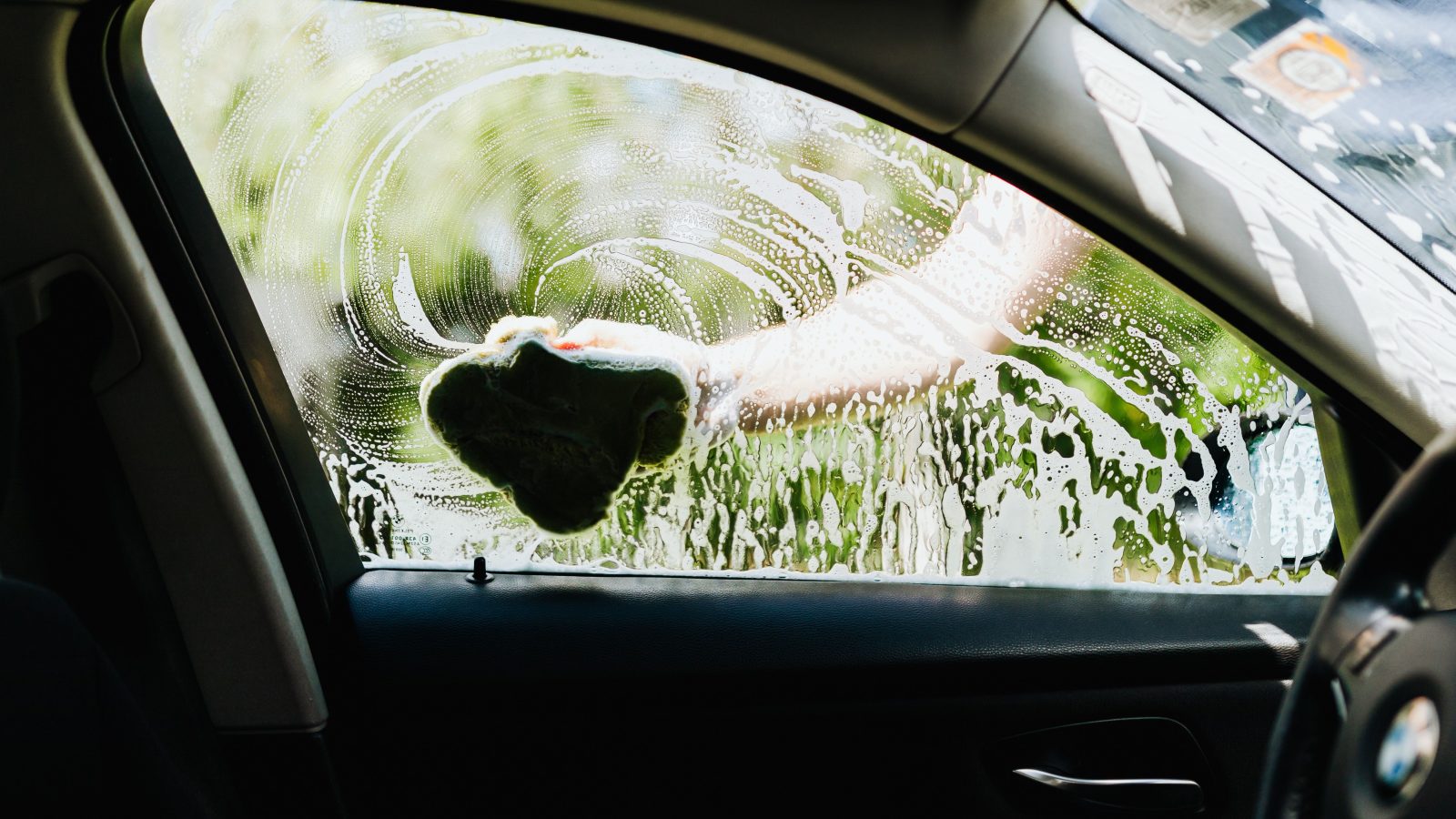
No, washing your car too much isn’t harmful in itself — the real risk comes from how you wash, not how often. Improper technique and harsh products, not frequency, are what actually damage paint. Using abrasive sponges or dirty rags can create swirl marks and strip away protective wax layers over time, but that’s a technique problem, not a frequency problem. The two-bucket method plus a grit guard cuts swirl marks by roughly 70% compared to single-bucket washing, and a pH-neutral shampoo cleans without breaking down wax, sealant, or ceramic coating the way household dish soap does.
Here’s why frequency gets unfairly blamed for damage that technique actually causes, the data behind the two-bucket method’s swirl reduction, and the products that make frequent washing genuinely safe.
Key Takeaways
- Frequency isn’t the risk factor — technique is — a car can be washed weekly without damage if the method and products are right.
- The two-bucket method reduces swirl marks by about 70% compared to single-bucket washing.
- Household detergents strip wax and sealant — a pH-neutral car-specific shampoo doesn’t carry this risk.
- Microfiber mitts and towels outperform sponges and bath towels, trapping dirt safely rather than dragging it across the paint.
The Two-Bucket Method’s Measured Impact
Why Technique, Not Frequency, Is the Real Variable
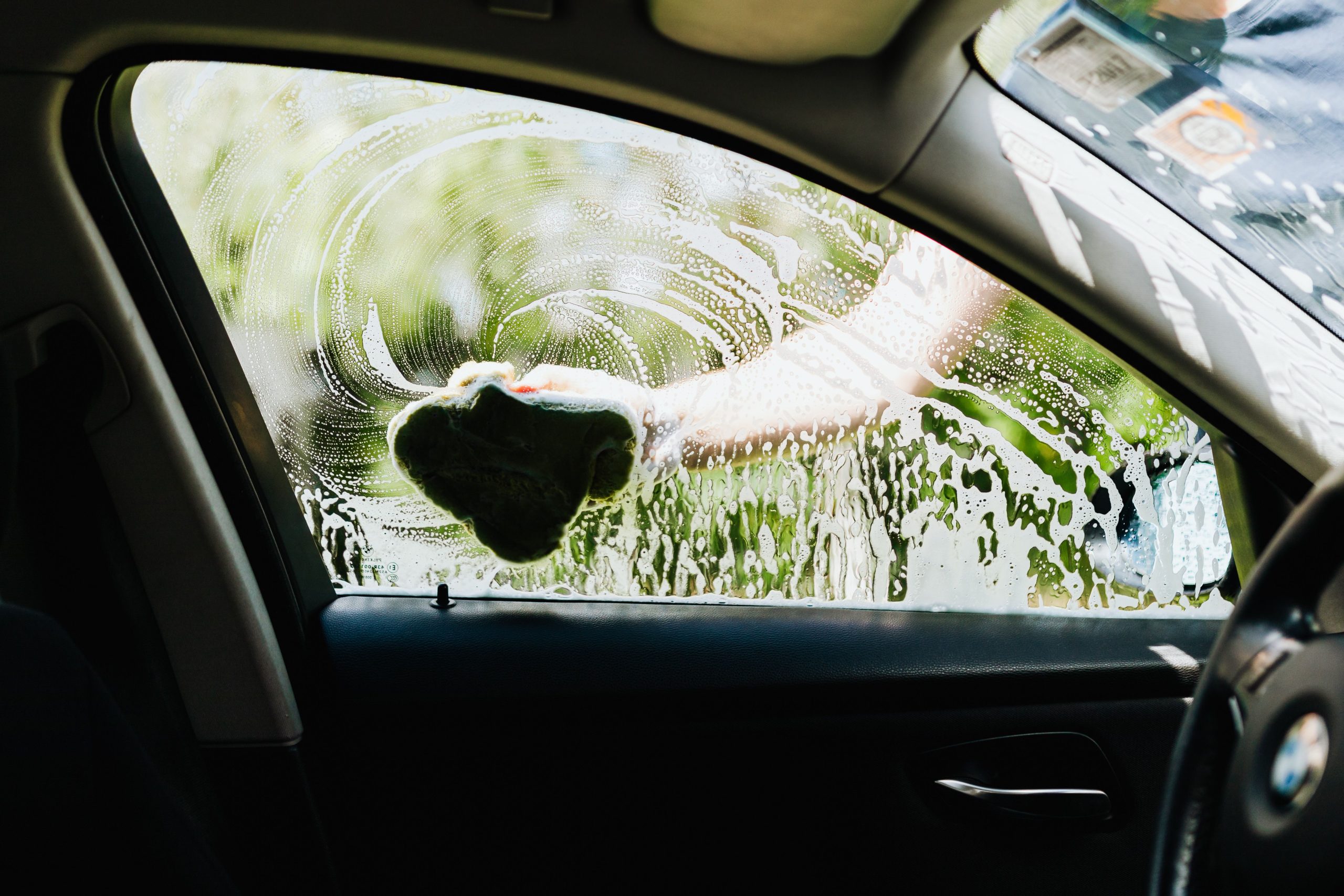
Washing your car too much isn’t harmful in itself — the real risk comes from how you wash, not how often (Chemical Guys). Improper techniques and harsh products are the primary cause of damage, not frequency itself, which means a car washed weekly with proper technique is genuinely safer than a car washed monthly with a dirty sponge and dish soap. This distinction matters, since many owners avoid washing frequently out of a misplaced fear that the act itself causes damage, when in reality skipping washes just lets contaminants sit on the paint longer, which carries its own risks.
What Actually Causes Swirl Marks
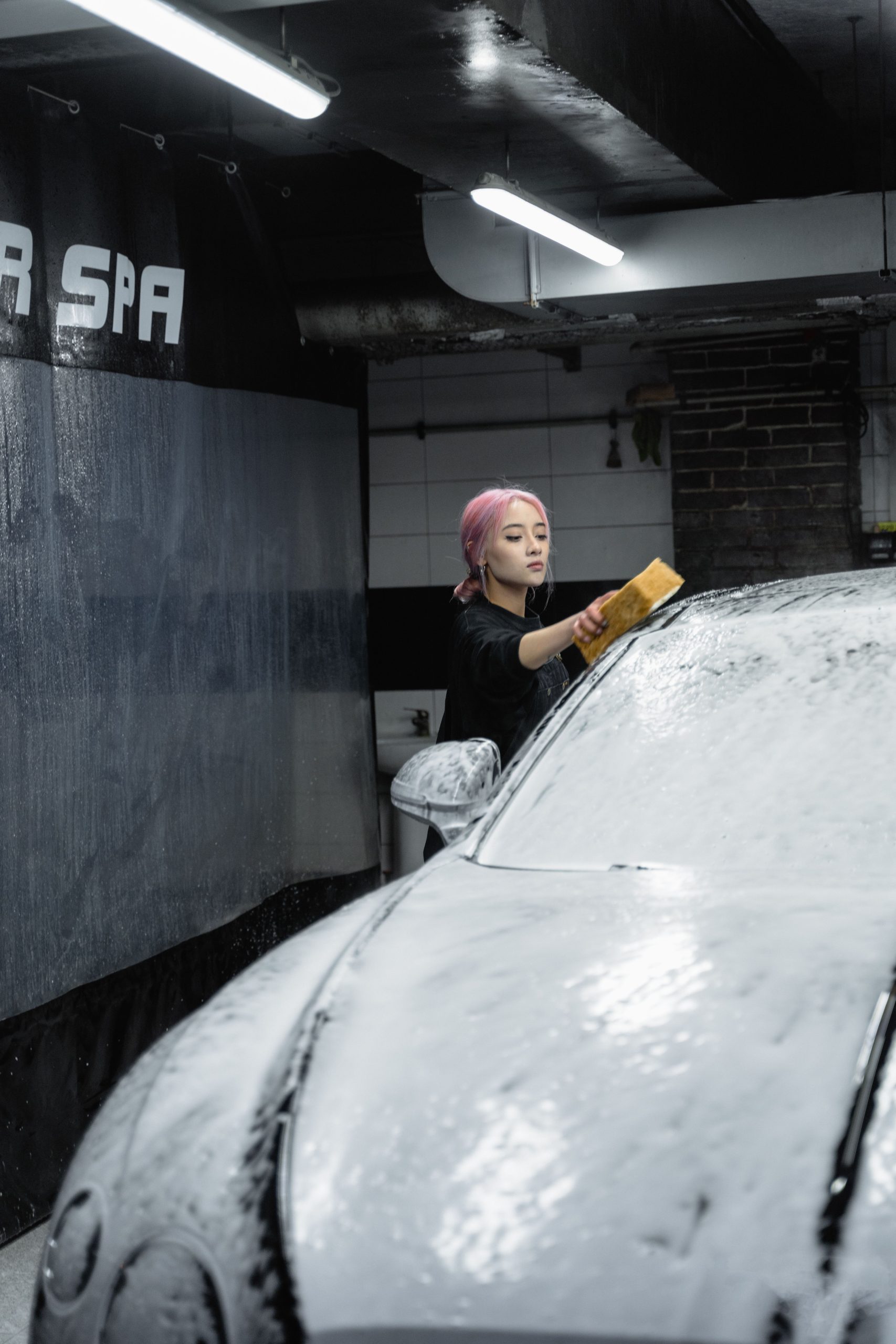
Using abrasive sponges or dirty rags can create swirl marks and strip away protective wax layers over time — swirl marks are usually caused by improper washing technique, dirty towels, or cheap cleaning products, not the number of times a car gets washed (CarXplorer). The two-bucket method — one bucket for soapy water, one for rinsing your wash mitt, both with grit guards — cuts swirl marks by approximately 70% versus single-bucket washing, since it prevents the grit picked up from the paint from being reintroduced during the next dip. Our guide on the scratch-free wash method covers this friction-minimizing philosophy in full detail.
Product Choice Matters as Much as Bucket Count
Household detergents like dish soap are designed to strip grease and will aggressively remove essential wax and sealant layers from your car’s paint, leaving it unprotected — this is a product problem that compounds with frequent washing, not a frequency problem on its own. A pH-neutral shampoo is engineered to clean without breaking down the protective layer on your paint, whether that’s wax, sealant, or ceramic coating. Our guide on choosing the right car wash soap covers identifying a genuinely pH-neutral product, and our guide on can I use dish soap to clean my car covers exactly why that particular substitution causes the stripping this article warns against. Microfiber wash mitts and drying towels are far superior to sponges or bath towels, trapping dirt safely and reducing friction, which minimizes scratching risk regardless of how often you wash.
Frequently Asked Questions
Is there such a thing as washing a car too often for the paint’s health?
Not from a paint-health standpoint when proper technique and pH-neutral products are used — the paint itself isn’t harmed by contact frequency, only by abrasive contact and harsh chemicals.
Does frequent washing wear down wax or ceramic coating faster than expected?
Some gradual wear is normal from any washing, but a pH-neutral, coating-safe soap minimizes this compared to a harsher product, and the wear from proper washing is far less than the damage neglecting dirt and contaminants would cause.
Are automatic car washes worse than hand washing for swirl marks?
Touchless automatic washes are generally comparable to careful hand washing, while brush-based automatic washes carry more swirl mark risk due to shared brushes contacting many vehicles without the same grit-guard protection.
How can I tell if my washing technique is actually causing damage?
Inspect the paint under direct sunlight or a detailing light after a few washes — visible fine circular scratches indicate technique issues worth addressing, regardless of how often you’re washing.
The Bottom Line
You can’t really wash your car too much — you can only wash it badly. Frequency isn’t the risk factor that damages paint; poor technique, dirty tools, and harsh products are. The two-bucket method, microfiber mitts, and pH-neutral soap together make frequent washing not just safe but genuinely beneficial for keeping contaminants from sitting on your paint.
Want a professional wash that protects your paint every time? Contact San Diego Bumper and Collision to ask about our services.