A grinding noise while driving that isn’t tied to braking most often points to a failing wheel bearing, a worn CV joint, or a differential or transmission problem — and the fastest way to narrow it down is paying attention to exactly when the noise happens: constantly and speed-related, only in tight turns, or specifically under acceleration.
Here’s how to tell these apart without a lift, and why none of them are safe to keep driving on indefinitely.
Key Takeaways
- A wheel bearing grinds or hums constantly, gets louder with speed, and changes pitch when you steer.
- A CV joint clicks or grinds mainly in tight, slow turns — like pulling into a parking spot — and stays quiet on the highway.
- Grinding under acceleration specifically points toward the differential or transmission, often from low or degraded fluid.
- None of these are safe to ignore — a wheel bearing failure in particular can lead to sudden loss of wheel control.
Start With When the Noise Happens
Before assuming the worst, listen for the pattern. A grinding noise while driving can come from worn brake pads, bad wheel bearings, damaged CV joints, or transmission and differential problems — and each has a distinct timing signature that does most of the diagnostic work before a shop even looks at the car (CarParts.com).
Wheel Bearing vs. CV Joint: How to Tell Them Apart
| Symptom | Wheel Bearing | CV Joint |
|---|---|---|
| Noise pattern | Constant humming or grinding, present even in a straight line | Clicking or grinding mainly during tight, slow turns |
| Speed sensitivity | Gets louder as speed increases | Quietest at highway speed, loudest at low speed under load |
| Steering response | Pitch or volume shifts when you turn the wheel, even slightly | Doesn’t respond to small steering inputs during straight-line driving |
| Worst-case scenario | Sudden bearing seizure, potential loss of wheel control | Complete joint failure, loss of drive to that wheel |
A bad wheel bearing typically produces a constant humming, growling, or grinding noise that intensifies as you accelerate and shifts noticeably when you steer — worn bearings create metal-to-metal contact that gets progressively worse over time (Moog Parts). A worn CV joint, by contrast, is quietest during straight-line highway driving and loudest during tight, low-speed turns like parking lot maneuvers — if the sound tracks your steering movement during normal driving rather than just tight turns, that points back to the bearing instead (CarBuzz).
If you suspect the bearing, our guide on wheel bearing replacement cost covers what the repair typically runs. If the pattern points to the CV joint instead, see our CV joint replacement cost guide.
Grinding Under Acceleration: Transmission and Differential
If the grinding shows up specifically when you’re accelerating rather than constantly or only in turns, look toward the drivetrain instead of the wheels. Low or degraded transmission fluid is one of the most common causes of a harsh grinding noise — when fluid runs low, the transmission can aerate the fluid, run hotter, and lose the cushion that’s supposed to keep internal parts separated (Roper Mountain Auto Care).
On the differential side, a whining sound that progresses into grinding as you accelerate often means the internal gears have worn out and need replacement, while worn differential bearings tend to produce more of a whirring or growling sound that intensifies under acceleration (Newnum’s Garage). Both problems often trace back to fluid that’s old, low, or was never changed on schedule — worth ruling out first, since it’s the cheapest possible fix. Our guide on how to check transmission fluid walks through confirming the level and condition yourself.
Ruling Out Brake-Related Grinding
If the grinding only happens when you press the brake pedal, that’s a separate issue entirely — usually worn-through brake pads contacting the rotor directly, or debris caught in the caliper. That’s a different diagnostic path than what’s covered here; see our guide on car shakes when braking if pedal application is actually part of the pattern you’re noticing, since that’s a rotor issue rather than a bearing, joint, or drivetrain problem.
The distinction matters because the fix, cost, and urgency are all different — don’t assume brakes just because the noise happens to be grinding-sounding; confirm it’s actually tied to pedal pressure before spending money there.
Why None of These Are Safe to Ignore
- A failing wheel bearing can eventually seize or fail catastrophically, potentially causing a loss of control over that wheel while driving.
- A CV joint that fails completely can cause a sudden loss of power to that wheel, and in bad cases the axle itself can separate.
- Differential or transmission gear damage gets progressively more expensive the longer it’s driven on, since worn gears accelerate wear on everything they mesh with.
A grinding noise can indicate a genuine safety concern, and addressing it right away keeps a manageable repair from turning into a much larger one (CarParts.com).
Frequently Asked Questions
Can I keep driving with a grinding noise if it’s not constant?
Not for long. Even an intermittent grinding noise usually means something is already wearing unevenly, and intermittent problems tend to become constant ones without warning.
Does grinding noise mean I need a full axle replacement?
Not necessarily — a CV joint or boot can sometimes be repaired individually depending on the vehicle and how far the wear has progressed. A shop inspection determines whether it’s a joint-level fix or a full axle swap.
Why does the grinding get louder when I turn?
That’s one of the clearest signs of a wheel bearing problem specifically — turning shifts the load distribution across the bearing, which changes the noise if it’s already worn.
Can low engine oil cause a grinding noise?
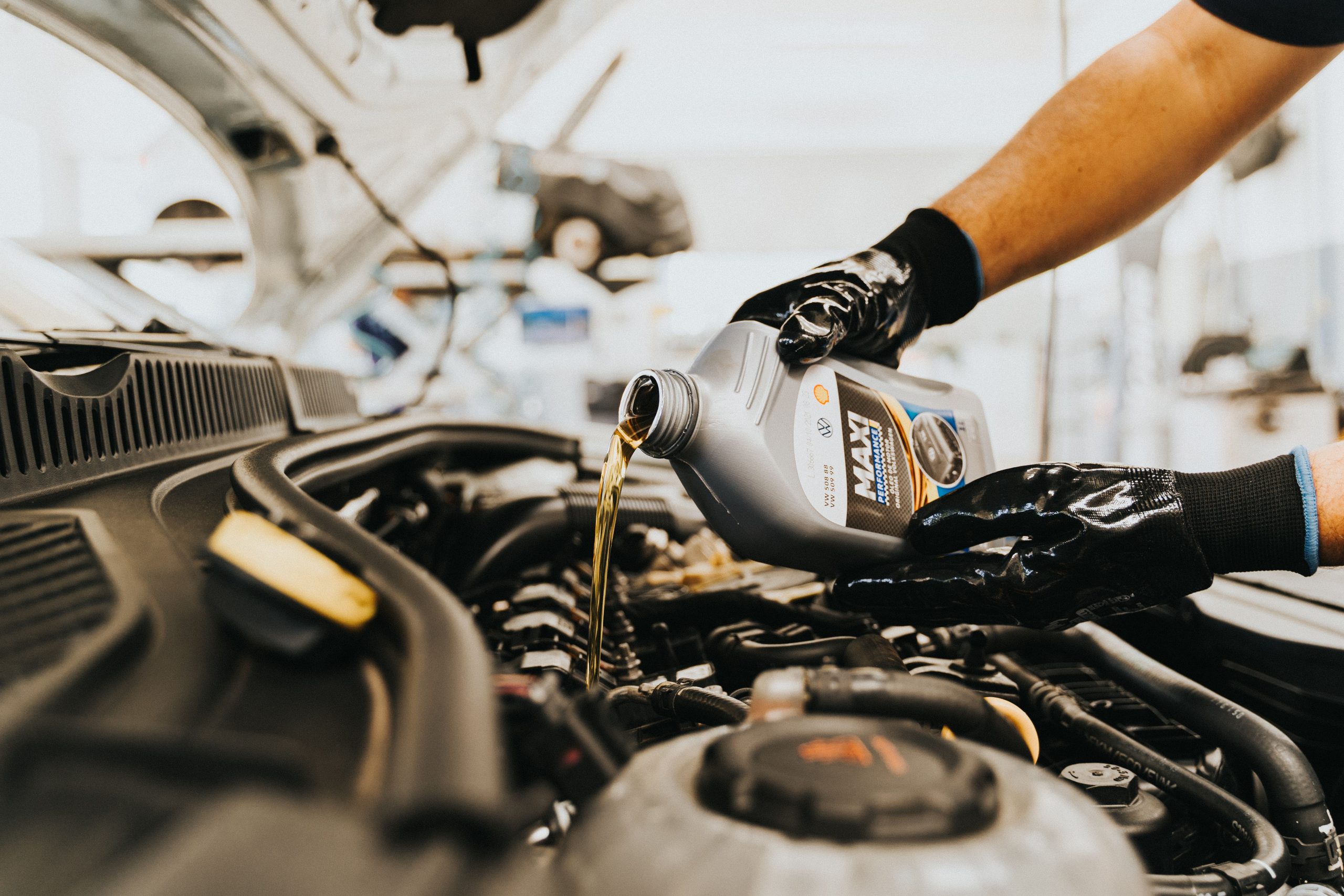
Indirectly, in severe cases — extremely low oil can lead to internal engine wear that produces knocking or grinding sounds, though that’s a different and more serious problem than the wheel, joint, or drivetrain causes covered here. Regular oil checks rule this out quickly.
The Bottom Line
Grinding while driving that isn’t from braking usually traces back to a wheel bearing, a CV joint, or the transmission or differential — and the timing pattern (constant vs. turning vs. accelerating) tells you which one before a shop even looks at it. None of these get better on their own, and all three get more expensive the longer they’re ignored.
Hearing a grinding noise you can’t place? Contact San Diego Bumper and Collision for a proper diagnostic before it turns into a bigger repair.