Buying a car from a private seller safely comes down to three protections: verify ownership, inspect the vehicle independently, and control payment. Match the VIN across the vehicle, title, and seller ID, get an independent mechanic’s pre-purchase inspection for $100-$200, and use a verified cashier’s check or escrow service instead of cash or an unconfirmed payment app transfer.
Here’s the full process from finding a listing to finalizing the title transfer, plus the payment methods that actually protect you.
Key Takeaways
- Verify ownership before anything else — the seller’s ID name must match the title, with no undisclosed lien.
- Pay $100-$200 for an independent mechanic’s inspection on a lift, even if the seller provides service records.
- Avoid cash — a verified cashier’s check or an escrow service protects both sides far better.
- Never transfer full payment before confirming the VIN, lien status, title, and inspection results.
Step 1: Research and Find Listings
Start by getting clear on your actual budget, including the purchase price, insurance, fuel, registration, and a repair buffer, before browsing listings on marketplaces like Facebook Marketplace, AutoTrader, and Cars.com, or local classifieds (NerdWallet). Narrow your search to a specific make, model, and year range so you can compare asking prices across multiple listings rather than evaluating a single car in isolation.
Step 2: Check the Vehicle History and Verify Ownership
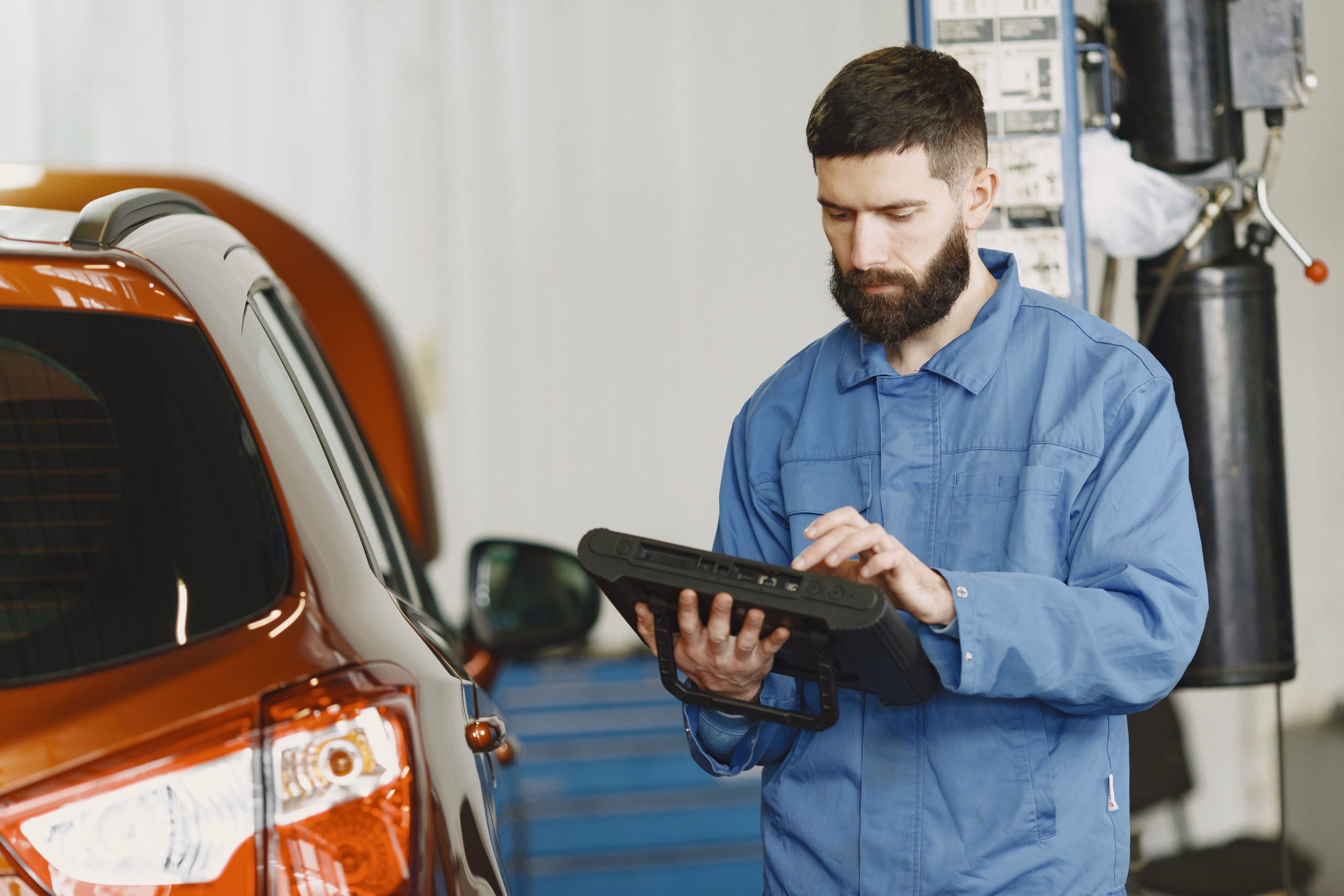
Run a VIN history report and a free NHTSA recall check before you even drive to see the car — the VIN reveals title status, past accidents, and reported maintenance (CARFAX). Once you’re at the vehicle, match the VIN across the car itself, the title, the seller’s photo ID, and the history report; the seller’s name must match the title exactly, and there should be no lien listed unless the seller can show proof it’s been satisfied.
Step 3: Inspect the Car and Test Drive It
Schedule the viewing during daylight hours so imperfections in the paint and body are actually visible, and check details like worn tires or pedals on a car claiming very low mileage — mismatched wear can be a sign of odometer tampering (Progressive). Ask the seller to bring the car to a public, well-lit location, and don’t go alone — bring someone with you or at minimum make sure another person knows where you’re going.
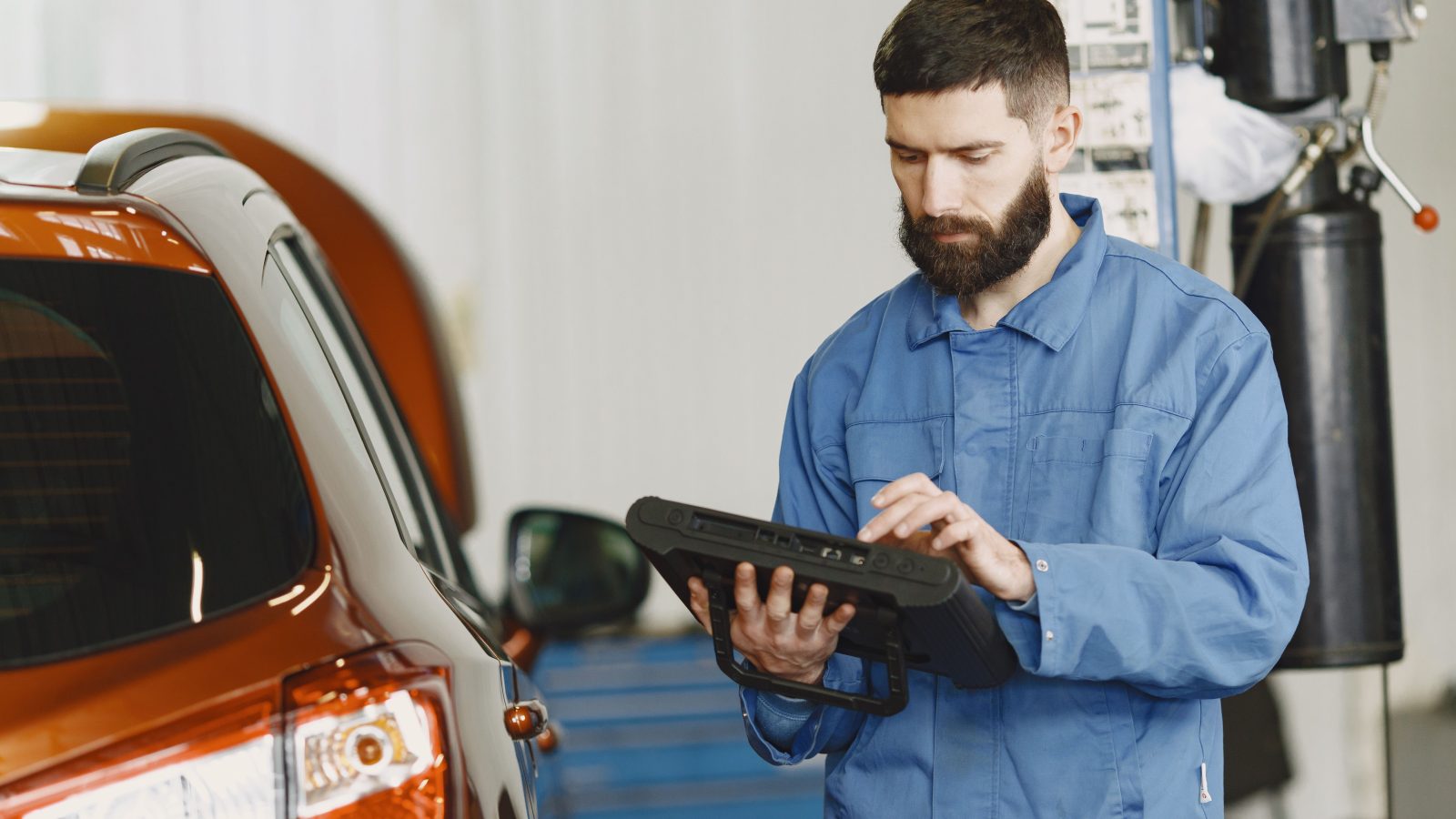
Test drive the car under varied conditions — city streets, a highway on-ramp, some hard braking in a safe empty area — since a private-party sale almost never comes with a warranty, making the test drive your best chance to catch problems before you own them. For any car worth more than a few thousand dollars, pay $100-$200 for an independent mechanic’s inspection on a lift; this is worth doing even when the seller offers service records or claims prior dealership certification, since records don’t reveal current mechanical condition.
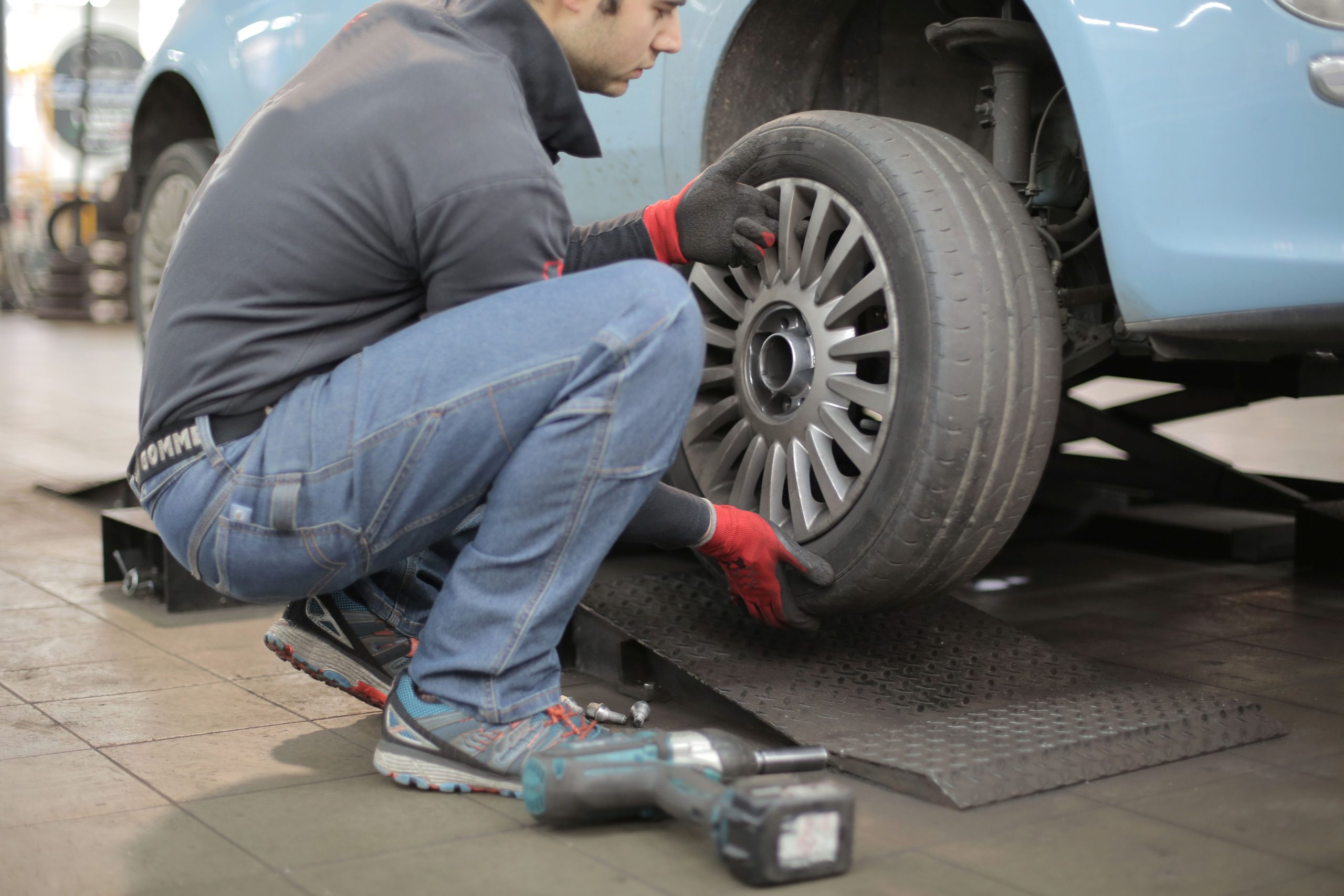
If the inspection turns up worn components, our guide on bad rack and pinion symptoms and our breakdown of when to replace rotors can help you gauge whether a flagged issue is a minor deduction or a deal-breaker.
Step 4: Negotiate and Confirm the Price
Once the test drive and inspection are behind you, that’s the right time to negotiate — and the offer should be explicitly contingent on the car passing your mechanic’s inspection, not finalized before you’ve seen the results. Use the inspection findings as leverage: a car needing new tires or a coming timing belt service is a legitimate reason to negotiate the price down, not just walk away.
Step 5: Choose a Safe Payment Method
Avoid cash for a used car transaction — there’s no reliable way to prove the money changed hands if a dispute comes up later, and carrying large amounts of cash to a private-party meeting is a real safety risk on its own (KeySavvy). A cashier’s check confirmed directly with the issuing bank, or an in-person transaction completed at a bank branch, is safer than a personal check or an unverified payment app transfer for a large sum.
| Payment Method | Safety Level | Why |
|---|---|---|
| Cash | Avoid | No transaction record; theft and dispute risk |
| Personal check | Risky | Can bounce after the buyer already has the car |
| Verified cashier’s check | Safer | Confirmed directly with the issuing bank before funds release |
| Escrow service | Safest | Holds funds until both title transfer and delivery are confirmed |
An escrow service holds the payment until the seller actually delivers the title and vehicle as agreed, then releases funds — this is the strongest protection for higher-value transactions, particularly if you’re buying long-distance and can’t meet the seller in person. Never transfer the full purchase amount before confirming the VIN, lien status, title, and inspection results — even a seemingly trustworthy seller could turn out to not have clear legal ownership.
After the Sale: Documentation and Insurance
Unlike a dealership purchase, a private-party sale puts all the documentation responsibility on you — there’s no finance office handling the paperwork. Line up auto insurance before you drive the car away, since driving uninsured — even for the short trip home — creates real legal and financial exposure (GEICO). If you’re unsure how much coverage you actually need for a newly purchased used vehicle, our guide on how much car insurance you need breaks down liability limits and coverage types.
Complete the title transfer and bill of sale promptly — most states set a specific window (often 10-30 days) to register the vehicle in your name, and missing it can trigger late fees or complications at the DMV. Keep copies of the bill of sale, the signed title, and any inspection report in case a dispute or question comes up later.
Frequently Asked Questions
Should I still get an inspection if the seller says the car was just serviced?
Yes — service records only show what was done in the past, not the car’s current condition. An independent mechanic’s inspection is the only way to verify what you’re actually buying right now.
Is it safe to meet a private seller at their home?
A public, well-lit location is generally safer than a private residence, and bringing another person along adds an extra layer of security regardless of where you meet.
What if the seller pressures me to use cash or skip the inspection?
Treat that as a red flag — a legitimate seller with nothing to hide typically has no objection to a verified payment method or an independent inspection, since both protect a seller with a clean vehicle just as much as they protect the buyer.
Can I back out after agreeing to buy if the inspection reveals problems?
Yes, as long as your agreement was explicitly contingent on the inspection — that’s exactly why making the deal conditional on inspection results before any money changes hands matters.
The Bottom Line
Buying safely from a private seller comes down to three protections: verify the VIN, title, and seller ID match with no hidden lien; get an independent mechanic’s inspection before finalizing price; and use a verified cashier’s check or escrow service instead of cash. Following this sequence — research, verify, inspect, negotiate, then pay securely — protects you at every stage of a transaction that, unlike a dealership purchase, offers no built-in safety net.
Just bought a used car and want a full inspection or pre-existing damage assessed? Contact San Diego Bumper and Collision for a professional evaluation.