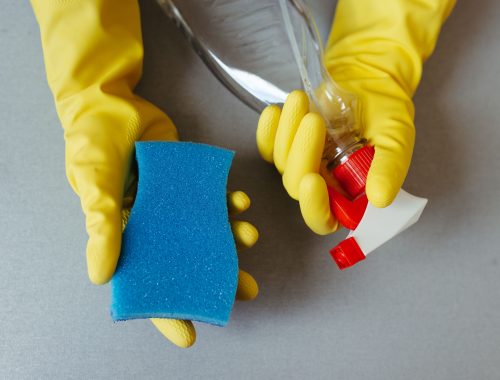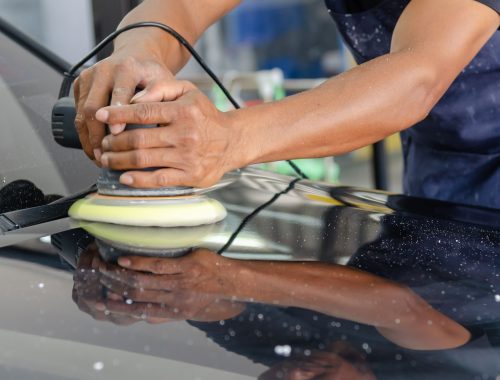
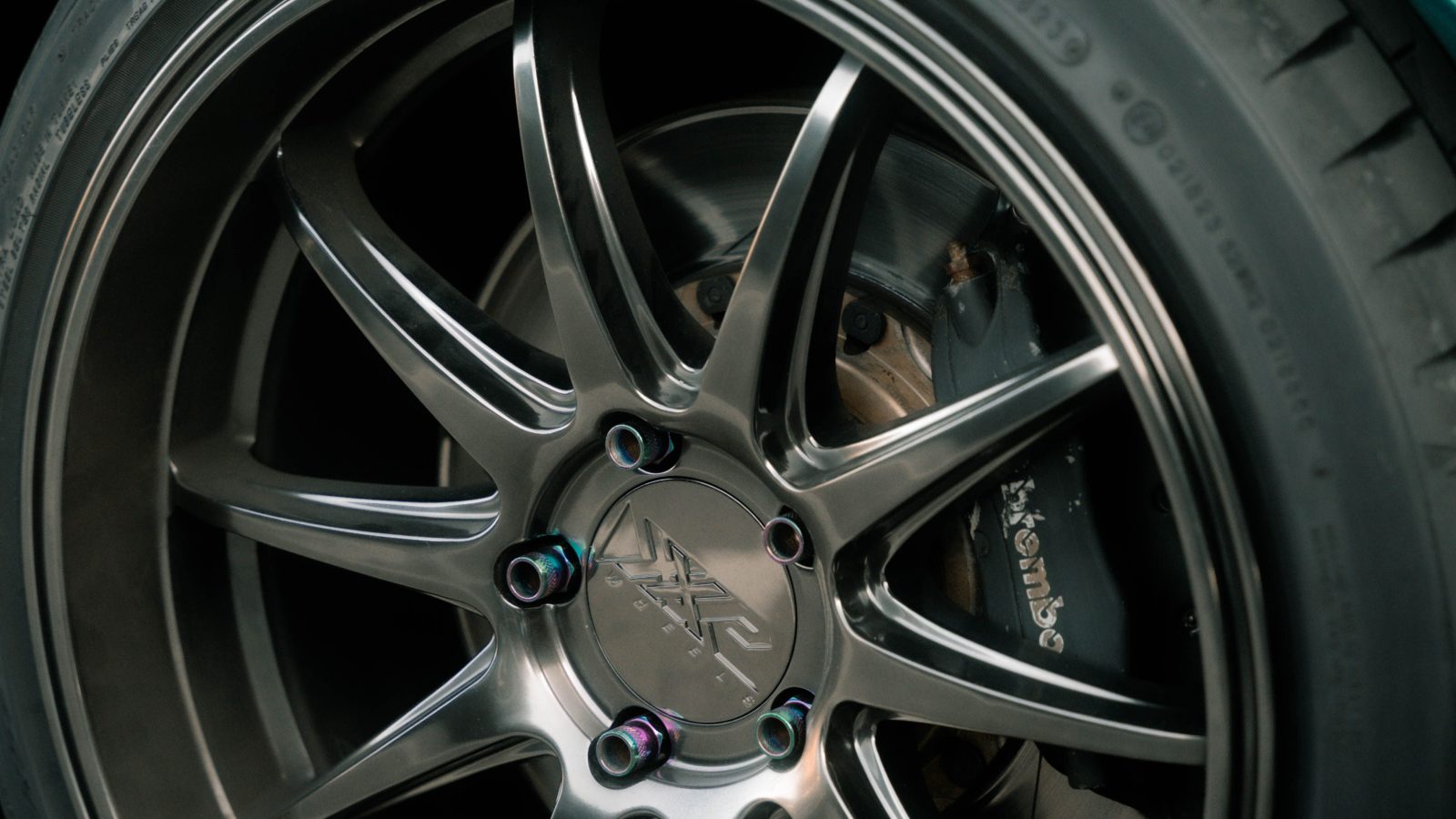
Clean aluminum wheels by rinsing off loose dirt first, applying a pH-neutral cleaner, scrubbing gently with soft brushes, then rinsing thoroughly and drying completely. For oxidation, apply a dime-size amount of oxidation remover to a microfiber cloth and rub it in using small circles or a back-and-forth motion, working roughly one-sixth of the wheel at a time — or make a baking soda and water paste as a gentler alternative, scrub with a soft cloth, then rinse and dry. Polished or raw aluminum needs a compound with more bite to remove the oxide layer and reveal the reflective surface underneath, and always finish with wax or sealant, since polishing removes existing oxidation but sealing is what actually slows it from coming back.
Here’s the full process for routine cleaning, the oxidation-removal step that sets aluminum apart from painted or clear-coated wheels, and why sealing afterward matters as much as the polish itself.
Key Takeaways
- Aluminum oxidizes faster than coated wheels — this is the main reason it needs a genuinely different care routine.
- Oxidation removal is easier than rust removal, needing just an oxidation remover, a microfiber cloth, and elbow grease.
- Work small sections at a time — roughly one-sixth of the wheel — for even results, since aluminum oxidizes quickly even mid-process.
- Sealing after polishing is essential — without it, oxidation returns meaningfully faster than on a sealed surface.
The Full Cleaning and Restoration Process
Routine Cleaning
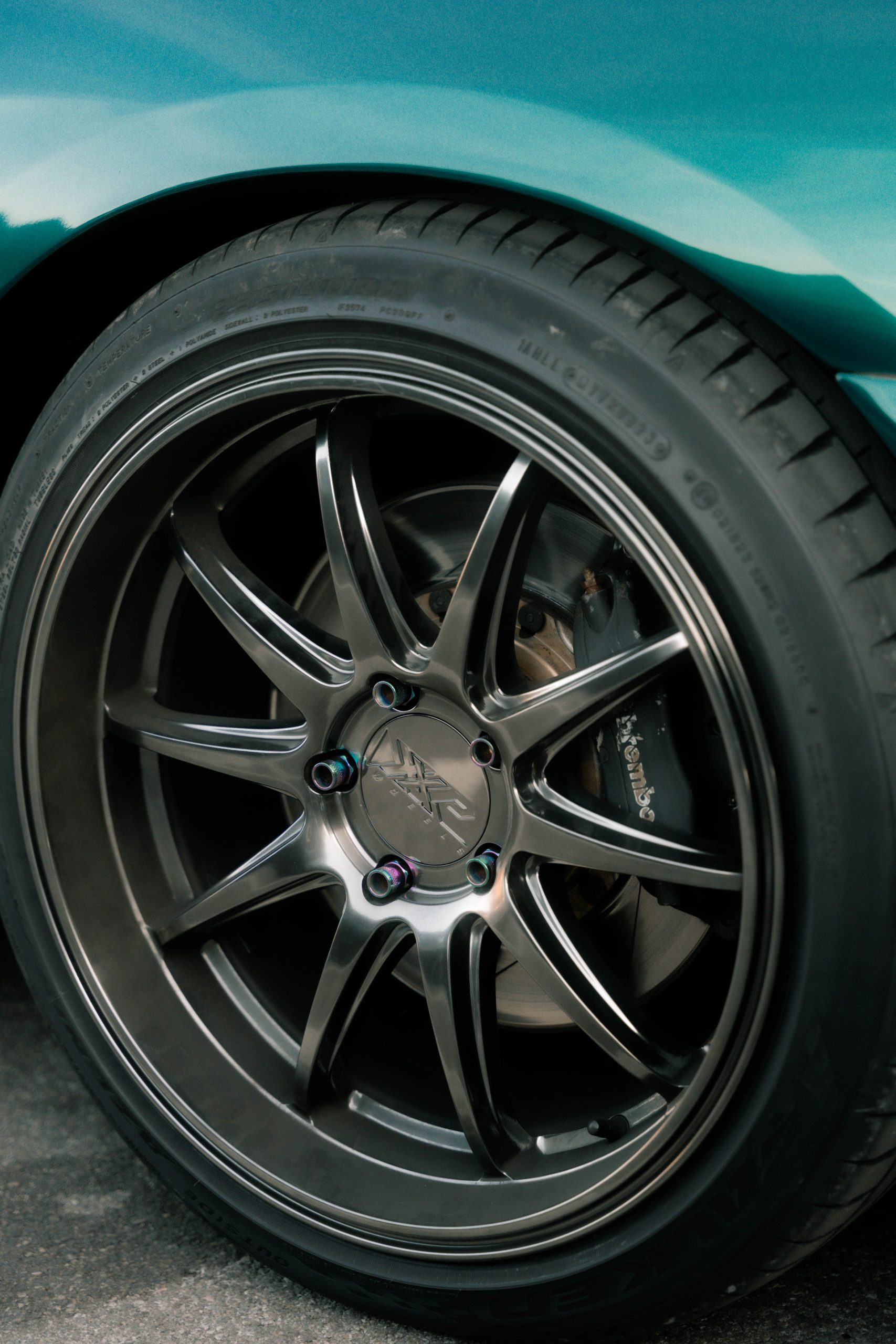
Start by rinsing wheels to remove loose dirt, apply a pH-neutral cleaner, then scrub gently with soft brushes, rinse thoroughly, and dry completely (Chemical Guys). This routine cleaning matches the general approach covered in our guide on properly cleaning car wheels, but aluminum’s tendency to oxidize faster than painted or clear-coated wheels is exactly why the extra steps below matter more here than on a typical alloy wheel.
Removing Oxidation
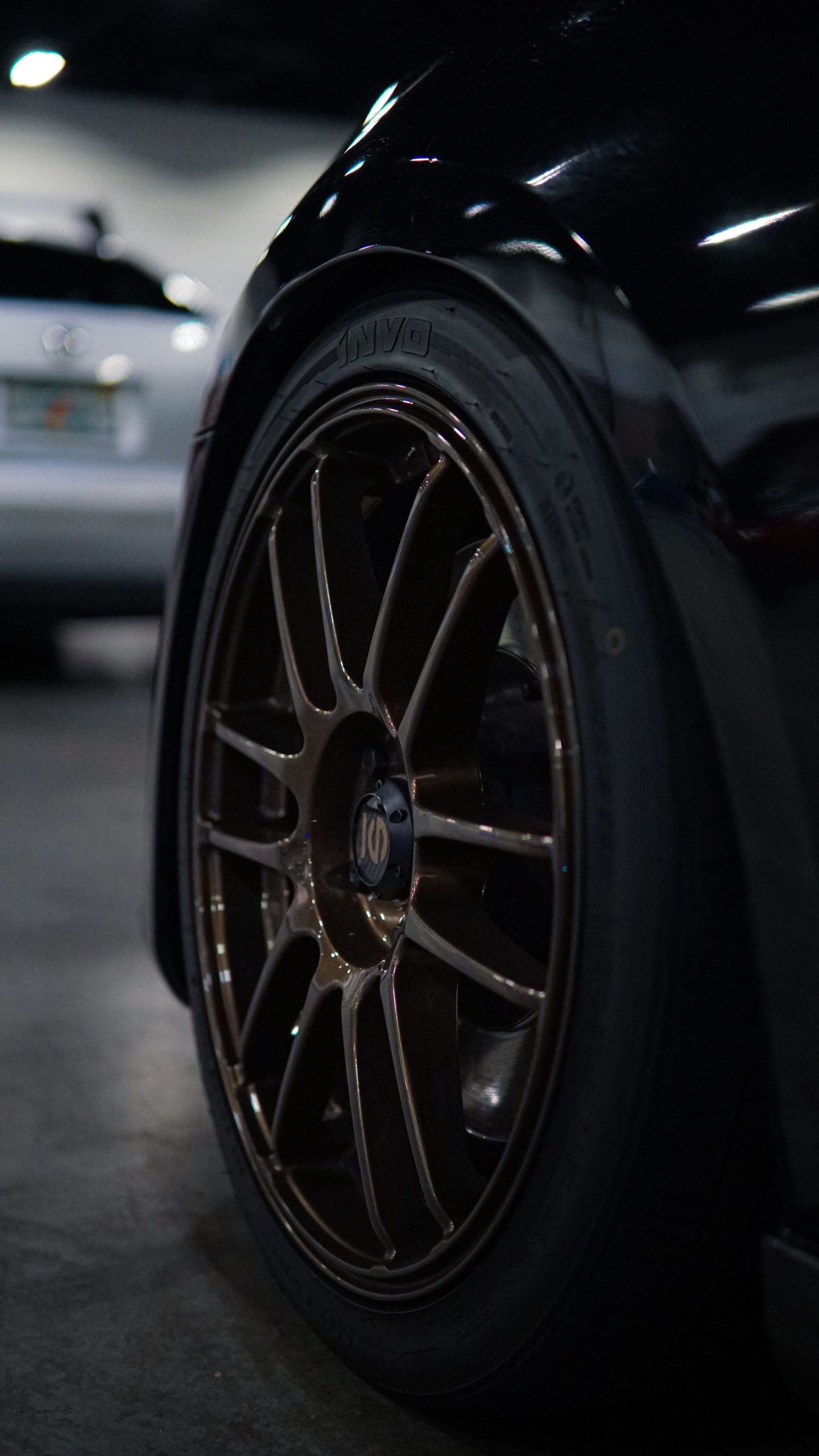
Oxidation is easier to remove than rust, needing only an oxidation remover, a microfiber cloth, and some elbow grease (Empire Abrasives). Apply a dime-size amount to the cloth, then rub it into the wheel using small circles or a back-and-forth motion, keeping to a small area — about one-sixth of the wheel — at a time. Alternatively, mix baking soda with water into a paste, apply it to oxidized areas, and gently scrub with a soft cloth or sponge before rinsing well and drying with a clean cloth. For polished or raw aluminum specifically, you’ll need a compound with a bit more bite to remove the oxide layer and reveal the smooth, reflective surface underneath — work in small sections, since aluminum oxidizes quickly enough that inconsistent timing across the wheel can produce uneven results (Flitz Premium Polishes).
Sealing to Prevent Future Oxidation
Polishing removes existing oxidation, but sealing is what actually keeps it from coming back — protect freshly polished aluminum with a wax or sealant to slow future oxidation meaningfully compared to leaving the bare metal exposed again. Our guide on protecting your car wheels covers sealant options in more depth, many of which apply directly to freshly polished aluminum.
Frequently Asked Questions
How often do aluminum wheels need this deeper oxidation treatment?
It depends on climate and how well-sealed the wheels are — sealed wheels may only need this every several months, while unsealed or heavily exposed wheels can need attention much more frequently.
Can aluminum wheels be damaged by using too aggressive a polish?
Yes — an overly aggressive compound can create fine scratches or unevenly remove material, which is why working in small, controlled sections with appropriate product strength matters.
Is machine polishing better than hand polishing for aluminum wheels?
Machine polishing can produce more consistent results faster, though hand polishing with patience and the right compound still works well for smaller areas or touch-ups.
Does clear-coated aluminum need the oxidation-removal process too?
No — clear-coated aluminum wheels are protected from direct oxidation by the coating itself, so this more involved process specifically applies to bare, polished, or raw aluminum surfaces.
The Bottom Line
Cleaning aluminum wheels comes down to routine pH-neutral washing plus a genuinely different oxidation-removal step that painted or clear-coated wheels don’t need. Polishing in small, controlled sections and sealing afterward are what keep bare aluminum looking bright rather than cycling back into oxidation within weeks.
Want your aluminum wheels professionally polished and sealed? Contact San Diego Bumper and Collision for a quote.