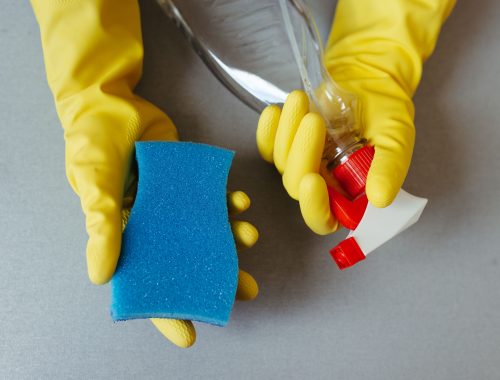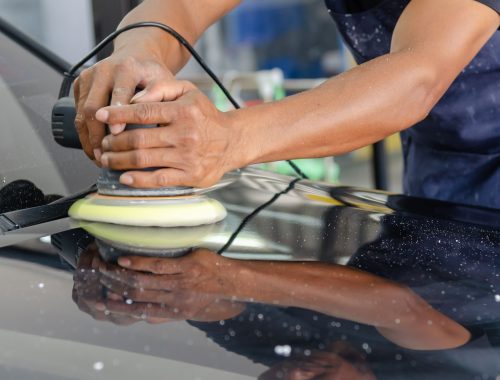

Protect your car wheels by applying a wheel sealant or coating to a fully clean, cool, dry surface, spreading a thin, even layer with a microfiber cloth or applicator pad, then letting it cure per the product’s instructions — typically 10-15 minutes before driving, with some coatings needing 12+ hours indoors and away from rain to fully cure. The protective layer repels brake dust and contaminants, keeping them from bonding to the wheel and making future cleaning noticeably easier.
Here’s how wax, sealant, and ceramic coating options compare on durability, the application process that makes any of them actually work, and why a clean surface matters more than the product choice itself.
Key Takeaways
- A fully clean, dry wheel surface is required before applying any sealant or coating — product bonds to a dirty surface won’t hold.
- A thin, even layer bonds better than a heavy application — more product doesn’t mean more protection.
- Cure time ranges from 10-15 minutes to 12+ hours depending on the product — check the specific instructions before driving.
- Protection reduces how tightly brake dust bonds to the wheel, making routine cleaning easier rather than eliminating the need for it.
Comparing Protection Options
Wax offers the shortest protection window but is generally the easiest and cheapest to apply repeatedly; sealant sits in the middle on both durability and cost; ceramic coating requires the most careful application and cure process but delivers the longest-lasting protection by a wide margin (Detailing Enthusiast). The right choice depends largely on how much upfront effort and cure-time patience you’re willing to trade for months of reduced maintenance later.
Preparing the Surface

Make sure your wheels are cool to the touch before starting, since working on hot rims or under direct sunlight can cause cleaning and coating products to dry too quickly, leading to residue or streaks (Chemical Guys). Start by rinsing the rims with water to remove loose dirt and debris, then use a wheel cleaner formulated specifically for your rim type. A clean surface is what actually allows the sealant or coating to bond properly — skipping or rushing this step is the most common reason a protection product underperforms regardless of how good the product itself is. If your wheels need a full cleaning pass first, our guide on properly cleaning car wheels covers that complete process, and our guide on properly cleaning black wheels covers the adjusted approach for matte and coated finishes specifically.
Applying and Curing the Protection Layer
Use a soft microfiber cloth or an applicator pad to distribute the sealant or coating evenly across the wheel surface, avoiding overloading the product — a thin, even layer bonds better and provides longer-lasting protection than a heavy, uneven application (Parkers). Allow the product to cure for 10-15 minutes to help it fully adhere for maximum durability and shine; for some ceramic wheel coatings specifically, the vehicle needs to be kept indoors and away from rain for at least 12 hours to let the coating cure fully. Rushing this cure window, or driving through rain or heavy road spray before it’s complete, can compromise how well the coating ultimately bonds and performs.
Once your wheels are protected, tires benefit from a similar cleaning-and-finishing routine — our guide on cleaning tires and adding shine covers the sidewall dressing process that completes the whole wheel-and-tire assembly.
Frequently Asked Questions
Does wheel protection eliminate the need for regular cleaning?
No — it reduces how tightly brake dust and contaminants bond to the surface, making cleaning noticeably easier and less frequent, but it doesn’t eliminate the need for periodic washing altogether.
Can I apply ceramic coating over an existing wax or sealant layer?
Generally no — the old product needs to be fully stripped first so the ceramic coating can bond directly to the wheel surface rather than to a layer of wax or sealant that will eventually wear away underneath it.
Is professional application worth it for ceramic wheel coating?
Often yes, given the surface prep precision and controlled curing environment ceramic coatings require — a professional application also typically comes with a longer warranty period than most DIY attempts achieve.
How do I know when it’s time to reapply wheel protection?
Watch for brake dust starting to bond more stubbornly or water no longer beading on the surface the way it did right after application — both are signs the protective layer has worn down and needs reapplication.
The Bottom Line
Protecting your car wheels comes down to a clean, cool, dry surface, a thin and even application of your chosen wax, sealant, or ceramic coating, and full respect for the product’s cure time before driving. Ceramic coating delivers the longest protection window for those willing to invest more upfront effort, while wax and sealant offer simpler, shorter-term alternatives for routine maintenance.
Want your wheels professionally protected with a long-lasting ceramic coating? Contact San Diego Bumper and Collision for a quote.