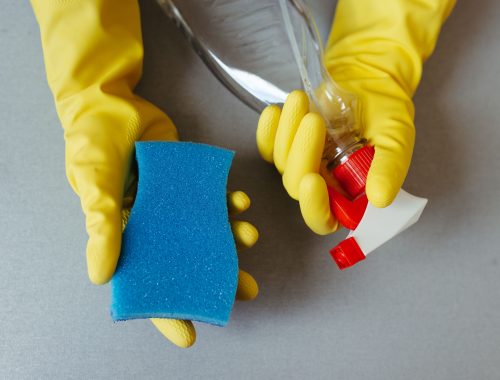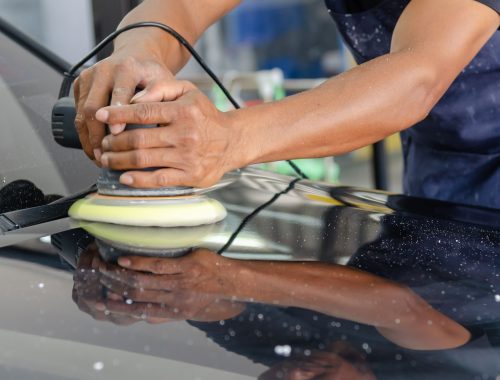

Clean tires and add shine by first degreasing with a dedicated wheel and tire cleaner, scrubbing grooves and raised lettering with a heavy-duty tire brush, then rinsing and drying completely before applying anything else. Apply your chosen tire dressing — spray, gel, or foam — with a foam applicator in circular motions across the sidewall, let it dry 5-10 minutes, then wipe off any excess with a clean microfiber cloth to prevent a greasy finish or sling onto your paint.
Here’s the full cleaning-then-dressing sequence, how the three dressing types compare, and the mistakes that cause dressing to sling off onto your car.
Key Takeaways
- Clean before dressing, always — dressing applied over dirt or grime just traps contamination against the tire.
- Let cleaner dwell 5-10 seconds before scrubbing to actually break down grime rather than just smearing it around.
- Wipe off excess dressing after it dries — this is the step that prevents sling onto freshly washed paint and wheels.
- Spray, gel, and foam dressings differ mainly in dry time and gloss level, not core function.
Step One: Clean the Tire First
Choose a well-lit location with easy access to all four tires, then use a wheel and tire cleaner to degrease and prepare the surface, removing dirt, grime, and grit before dressing goes anywhere near it (Chemical Guys). Apply the cleaner generously onto the tire surface and let it sit for 5-10 seconds so it can actually break down dirt and grime rather than just sitting on top. Use a heavy-duty tire brush to scrub in circular or back-and-forth motions, paying particular attention to the grooves and raised lettering where grime tends to hide. Rinse the cleaning solution off completely and dry the tire fully before moving to dressing — any leftover moisture or cleaner residue can interfere with how evenly the dressing takes.
Comparing Dressing Types

Select a high-quality tire dressing suited to your preference — spray, gel, or foam are all common formats, differing mainly in application ease and dry time (HydroSilex). Take a foam applicator pad or sponge, apply a small amount of the product to it, and work the dressing onto the tire sidewall in a circular motion, covering the entire surface evenly and avoiding over-application. Allow 5-10 minutes of dry time depending on the specific product, then use a clean microfiber cloth to wipe off any excess once it’s dried, which removes residue and prevents a greasy, overly wet-looking finish.
Avoiding Sling and Overspray
Excess, unwiped dressing is the primary cause of sling — the flinging of tire product onto freshly washed paint and rocker panels once the car starts moving and the tires spin up to speed (Malco Automotive). Wiping off excess product after the dry window, rather than leaving a heavy, wet-looking coat, is the single most effective habit for avoiding this. If you’ve already applied a full detailing routine to your wheels, our guide on properly cleaning car wheels covers the wheel-specific process that pairs with this tire step to finish the whole assembly.
Once your tires are clean and dressed, protecting the wheels themselves extends how long that finished look lasts — our guide on protecting your car wheels covers sealant options that reduce how often you need to repeat this full cleaning cycle.
Frequently Asked Questions
How often should tires be cleaned and dressed?
Roughly every wash cycle for cleaning, with dressing reapplied every one to two weeks depending on driving conditions and how much gloss fades between applications — rain and road spray both wear dressing down faster than dry-weather driving.
Does a glossier “wet look” dressing wear off faster than a matte finish dressing?
Often yes — higher-gloss formulas tend to be more water-soluble and can wash away or dull faster under rain and repeated washing compared to matte or satin-finish dressings designed for longer wear.
Can tire dressing be applied to wet tires?
It’s better to dry the tire fully first — applying dressing to a still-wet surface can dilute the product and cause uneven coverage or premature wear compared to application on a fully dry tire.
Is it necessary to use a dedicated tire brush instead of a regular wash brush?
A dedicated tire brush with stiffer bristles handles grooves and raised lettering more effectively than a soft wash mitt meant for paint, so keeping the two separate — per standard color-coding practice — produces better results and avoids cross-contaminating your paint-safe tools.
The Bottom Line
Clean tires and shine come from a two-step process: degrease and scrub thoroughly first, then apply dressing evenly and wipe off the excess once it’s dried. Whichever dressing format you choose, the wipe-off step after drying is what separates a clean, sling-free finish from a greasy one that ends up flung across your freshly washed paint.
Want your tires and wheels professionally detailed? Contact San Diego Bumper and Collision for a quote.