Clean a truck bed liner by first sweeping out loose dirt and debris with a push broom, then spraying the liner down with water — a pressure washer works well for spray-in liners, starting at the front and working backward while moving the stream side to side, spraying into corners and crevices for a few extra seconds to loosen caked-on soil. Use mild soap and water for routine cleaning, a degreaser for oil and paint, or a citrus cleaner for stubborn spots, avoiding harsh chemicals or abrasive scrubbers that can damage the liner surface. Drop-in liners should be removed periodically and cleaned underneath as well, since debris and moisture trapped beneath a drop-in liner cause problems a spray-in liner doesn’t face.
Here’s how spray-in and drop-in liners differ in care, the right product for different types of mess, and how often this maintenance actually needs to happen.
Key Takeaways
- Sweep before spraying — clearing loose debris first makes the water-based cleaning step meaningfully more effective.
- Match cleaner to mess type — car wash soap for light dirt, degreaser for oil and paint, citrus cleaner for stubborn spots.
- Drop-in liners need removal for full cleaning — debris and moisture can accumulate underneath where a spray-in liner has no equivalent gap.
- Clean monthly, or after heavy-duty hauling — consistent maintenance prevents buildup from becoming a bigger job.
Spray-In vs. Drop-In Liner Care
| Liner Type | Cleaning Approach | Key Consideration |
|---|---|---|
| Spray-In | Pressure washer or hose in place, soap/degreaser as needed | Bonded permanently, no removal needed |
| Drop-In | Remove periodically, clean liner and bed underneath separately | Trapped moisture underneath can cause corrosion if neglected |

Removable drop-in liners should be taken out and cleaned once in a while, making sure to clean underneath thoroughly, since it’s not advisable to leave bed liners in place while washing the truck — trapped water sitting underneath can cause corrosion issues over time that a spray-in liner, permanently bonded to the bed, doesn’t share (CDJR of Walla Walla).
The Cleaning Process
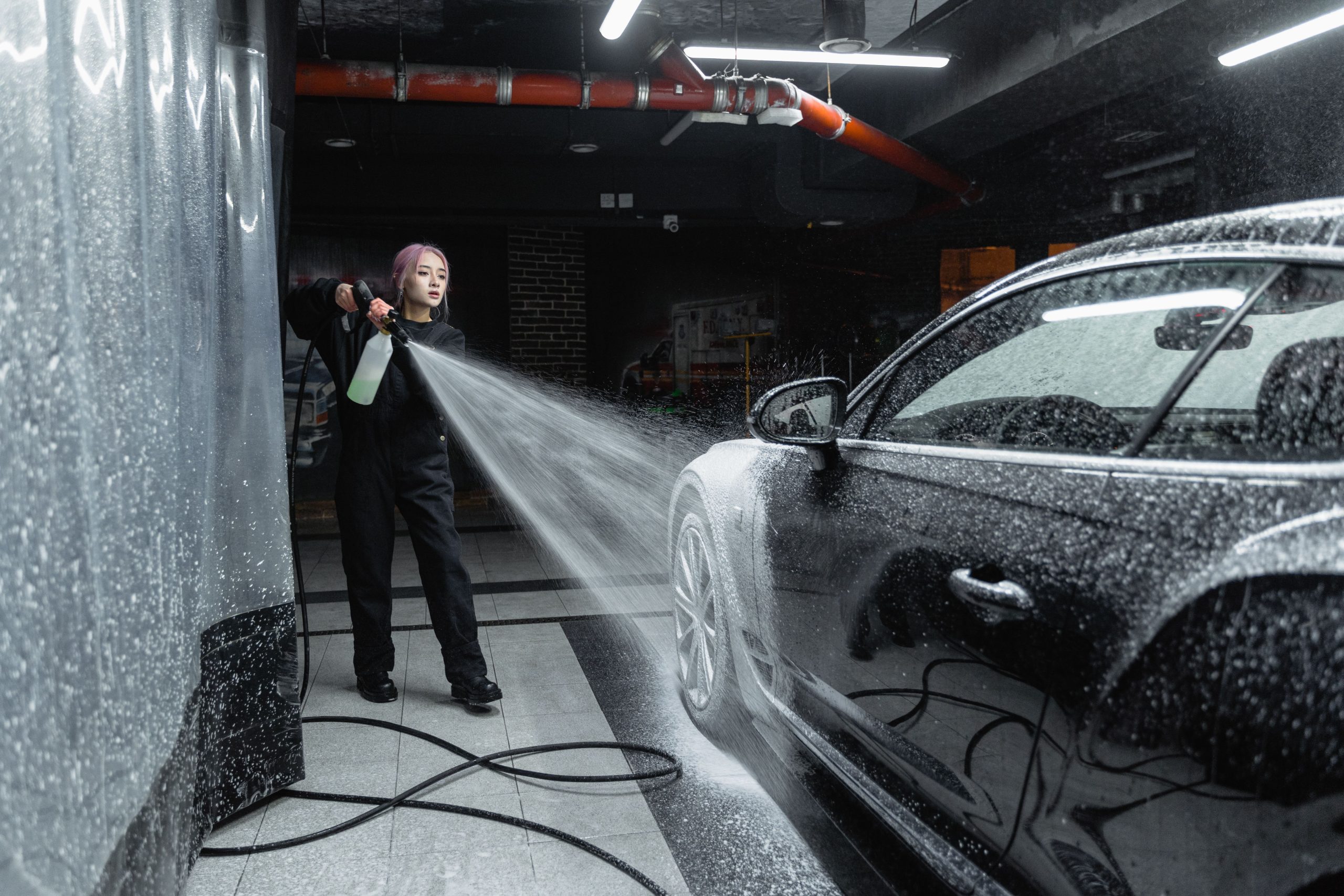
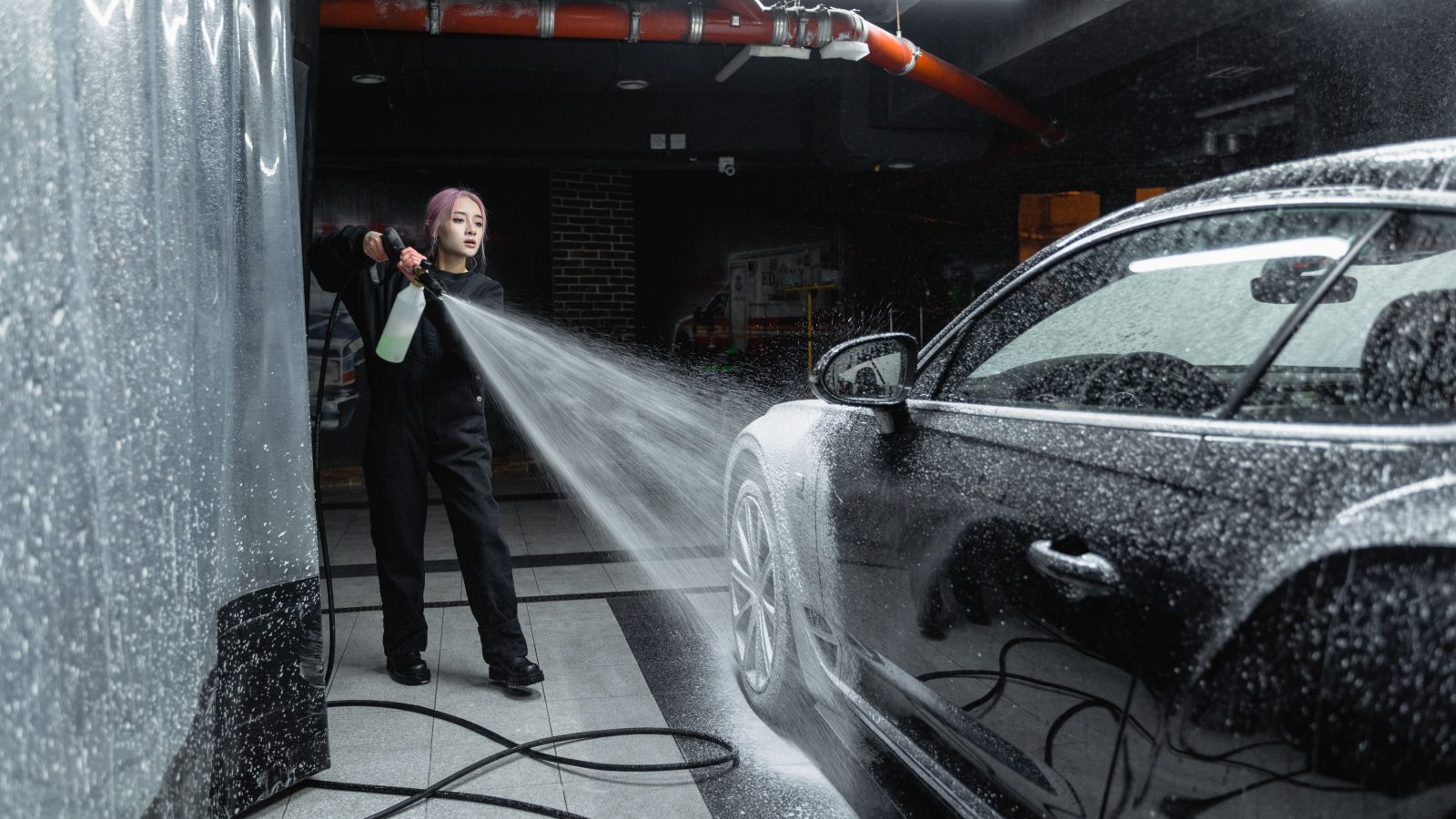
Sweep out any dirt or debris using a push broom before spraying water on the bed liner — this single step makes the rest of the cleaning process noticeably easier, since you’re not pushing loose grit around in slurry form (Overland Truck Outfitters). A small hand brush helps get into tight spaces and cracks that a full-size broom can’t reach. Spray the liner down with a pressure washer, starting at the front of the bed and working backward while moving the water stream from side to side; spray into corners or crevices with caked-on dirt for a few extra seconds to loosen buildup before moving on.
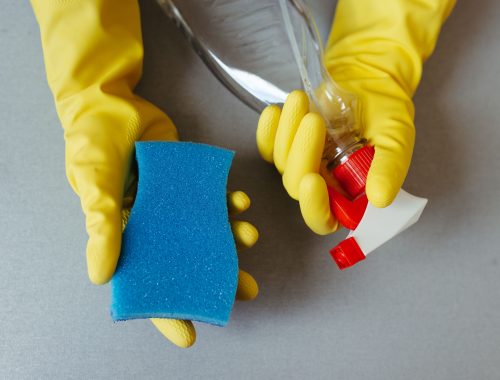
For routine dirt, car wash soap and a soft cloth handle most of the job. For oil and paint transfer, a degreaser breaks down the residue more effectively than general soap. For hard-to-remove spots that resist both, a citrus cleaner offers another option — avoid harsh chemicals or abrasive scrubbers throughout, since these can damage the liner’s textured surface rather than just cleaning it (Chemical Guys). If your bed liner is showing rust underneath rather than just surface dirt, our guide on detailing a dirty undercarriage covers a similar rust-treatment process that applies to exposed metal in the bed area as well.
Maintenance Frequency
Give your truck’s bed liner attention every month, or after those heavy-duty hauling days specifically, to keep it in top condition. Waiting significantly longer between cleanings lets dirt, oil, and debris bond more stubbornly to the liner surface, turning what could be a quick monthly wipe-down into a more involved degreasing session.
Frequently Asked Questions
Can a spray-in bed liner be damaged by a pressure washer?
Generally not at typical consumer pressure washer settings, since spray-in liners are designed to be durable, though holding the nozzle extremely close at very high pressure for extended periods isn’t recommended on any coated surface.
Does UV exposure affect bed liner cleaning or maintenance?
Yes — prolonged sun exposure can fade or dry out some liner materials over time, making a periodic UV-protective treatment worth considering alongside regular cleaning for trucks parked outdoors consistently.
Is it worth adding a bed liner if a truck doesn’t already have one?
For trucks used regularly for hauling or work, yes — a liner protects the factory bed surface from scratches, dents, and corrosion that direct cargo contact would otherwise cause over time.
Can a bed liner be cleaned with the same soap used on the truck’s exterior paint?
Yes, generally — standard car wash soap works fine for routine bed liner cleaning, though a degreaser is more effective for the oil and grease stains a bed liner accumulates more often than exterior paint does.
The Bottom Line
Cleaning a truck bed liner comes down to sweeping first, spraying thoroughly with the right cleaner for the mess, and — for drop-in liners specifically — removing them periodically to clean underneath. Monthly maintenance, or a cleaning after heavy hauling, keeps the liner functional and prevents buildup from becoming a bigger problem.
Want your truck bed and liner professionally detailed? Contact San Diego Bumper and Collision to ask about our services.