
Get rid of ants in a car by removing all food sources and vacuuming thoroughly, cleaning ant-active areas with a 50/50 white vinegar and water solution to erase scent trails, washing and fully drying floor mats separately, and placing ant bait stations in areas where you’ve seen activity. Never use an insect fogger or “bug bomb” inside a vehicle — the cabin is far too small for the chemical volume, and it will saturate your seats, headliner, and steering wheel.
Here’s why cars attract ants in the first place, the full removal process, and how to prevent them from coming back.
Key Takeaways
- Over 40% of drivers experience ant problems annually, peaking during warm months when colonies are most active.
- Food crumbs, sugary spills, and warmth make cars attractive temporary colony sites for ants.
- Vinegar and water erases scent trails that guide other ants back to your vehicle.
- Never use a fogger or bug bomb inside a car — the confined space concentrates chemicals dangerously onto interior surfaces.
Why Ants Get Into Cars in the First Place
Ants are drawn to food crumbs, moisture, and warmth, making a parked car an ideal temporary colony site. Hidden food crumbs, sugary drink spills, or pet treats become a reliable food source, while the warm interior temperature of a parked car in sunlight makes it an attractive hiding place even without food present. A 2025 study by automotive pest control specialists found that over 40% of drivers experience ant problems annually, with peak activity occurring during warm months when colonies are most active (PestKill).
The Removal Process
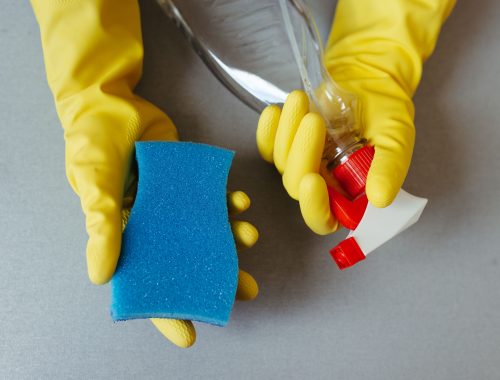
Start by removing all trash, food wrappers, and anything that could serve as a food source, then vacuum thoroughly — seats, floor mats, and hidden spots under seats or in storage compartments — to eliminate the crumbs and debris that initially attracted the ants (Get Rid of Ants). Clean the areas where you’ve seen the most ant activity with a 50/50 white vinegar and water solution, which neutralizes the scent trails ants leave behind to guide other colony members back to a food source.
Remove and wash floor mats separately with hot, soapy water, and let them dry completely before putting them back in — moisture left in a damp mat is exactly the kind of environment that continues attracting ants even after the initial cleaning. If you’re already dealing with mold or persistent moisture issues in the cabin, our guide on getting rid of mold in a car’s interior covers a related deep-cleaning process that pairs well with this one.
Using Bait Stations for a Lasting Fix
Ant baits work differently than direct-contact sprays — ants carry the bait back to the colony, which eliminates the problem at its source rather than just killing the ants you can see (Orkin). Place bait stations discreetly in areas where you’ve observed the most activity, and be patient — bait-based control typically takes several days to work as ants carry the poison back and it spreads through the colony.
Do This, Not That
| Do | Avoid |
|---|---|
| Vacuum thoroughly and remove food sources | Leaving crumbs or wrappers in the car “for later” |
| Clean trails with vinegar and water | Spraying strong chemical insecticides directly on interior surfaces |
| Use targeted bait stations | Setting off a fogger or bug bomb inside the cabin |
| Wash and fully dry floor mats | Reinstalling damp mats that retain moisture |
Never set off an insect fogger or bug bomb inside a vehicle — the interior cabin is far too small for the volume of gas these products release, and the highly concentrated chemicals will saturate cloth seats, the headliner, and the steering wheel in ways that are difficult to fully clean out afterward and potentially harmful to breathe during future drives.
Preventing Ants From Coming Back
If your vehicle is regularly parked near an anthill or under trees where ants are active, relocating your parking spot when possible reduces the chance of a repeat problem. Fix loose door or window seals where feasible, since gaps are a common entry point ants exploit to get inside in the first place. Regular cleaning remains one of the simplest long-term solutions — a consistently clean interior with no accumulated crumbs or spills is far less attractive to ants than a car that’s allowed to accumulate food debris over time.
Frequently Asked Questions
Are ants in a car actually harmful, or just annoying?
Mostly just annoying and distracting rather than dangerous for most common ant species, though a genuine infestation while driving can be a real safety distraction, and some ant species can deliver an irritating bite.
How long does it typically take to fully get rid of ants once you start treatment?
With bait stations specifically, expect several days to a couple of weeks for the colony to be fully eliminated, since the process relies on ants carrying bait back rather than immediate contact kill.
Can natural remedies like cinnamon or essential oils actually work?
Some natural deterrents can help disrupt scent trails and discourage ants short-term, but they’re generally less reliable for actually eliminating an established colony compared to proper cleaning combined with bait stations.
Should I be worried about ants damaging my car’s electrical system?
It’s uncommon but not impossible — ants occasionally nest in warm engine bay areas near electrical components, which in rare cases can cause connectivity issues, making it worth a quick visual check under the hood if ant activity seems unusually persistent.
The Bottom Line
Getting rid of ants in a car comes down to removing food sources, thorough vacuuming, cleaning scent trails with vinegar and water, washing and fully drying floor mats, and using targeted bait stations rather than sprays or foggers. Regular cleaning and addressing nearby ant activity outside the car are the most effective ways to prevent the problem from recurring.
Dealing with a persistent pest or odor issue in your vehicle’s interior? Contact San Diego Bumper and Collision for guidance.