
Get rid of mold in a car interior by first drying out the vehicle completely, then vacuuming with a HEPA filter to safely capture spores, scrubbing affected surfaces with detergent and water or a diluted vinegar solution, and drying thoroughly afterward. The critical step most people skip: identifying and fixing the actual moisture source — a clogged AC drain, a leak, or lingering dampness — since mold reliably returns if that root cause isn’t addressed.
Here’s the full removal process, why moisture source matters more than the cleaning method, and how to prevent mold from coming back.
Key Takeaways
- Most mold treatments fail because they skip the moisture source — cleaning visible mold without fixing what caused it means it comes right back.
- A HEPA-filtered vacuum is essential — a regular vacuum can blow mold spores back into the air instead of capturing them.
- Scrubbing with detergent and water, or diluted white vinegar, physically removes mold rather than just killing it in place.
- Mold exposure can trigger allergies, respiratory issues, and asthma attacks — this isn’t just a cosmetic or odor problem.
Why Mold Grows in Car Interiors
Mold grows wherever moisture lingers in hidden or hard-to-reach areas — spilled drinks, wet clothes, rain leaks, or even a clogged air conditioning drain are all common triggers (Chemical Guys). Fabric seats and carpets absorb moisture like a sponge, leather and vinyl can trap humidity underneath their surface, and a car’s AC system can circulate damp air throughout the cabin if the drain line is clogged or the system isn’t properly maintained.
The Removal Process, Step by Step
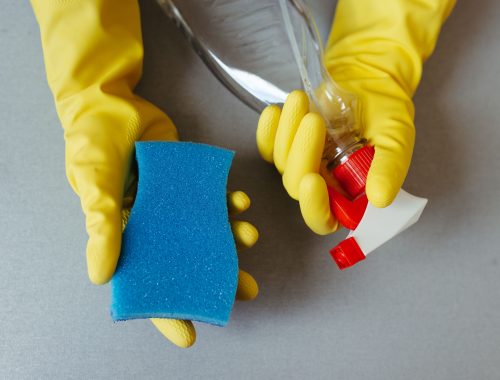
Most car owners clean the visible mold without addressing the moisture source that caused it in the first place — exactly why mold keeps returning even after thorough scrubbing and treatment (PuroClean). Before cleaning anything, protect yourself with gloves, a mask, and ideally goggles, since mold spores can irritate skin, lungs, and eyes during the removal process.
Dry out the car first by opening all doors and windows to circulate fresh air, and park in direct sunlight for a few hours if possible — mold thrives in damp conditions, so reducing ambient moisture before you start cleaning improves results. Use a vacuum with a HEPA filter specifically, since an ordinary vacuum can blow mold spores straight back into the air and actually spread the problem rather than solving it.
For most surface mold, the method health agencies recommend is straightforward: scrub with detergent and water, then dry completely — this physically removes mold rather than just killing it in place, which matters because dead mold spores can still trigger allergic reactions if left embedded in fabric. Alternatively, a mix of four parts white vinegar to one part water works as a natural disinfectant capable of killing most common mold types.
Finishing the Job: Final Drying
Run a dehumidifier in the car for several hours, or park with doors open in direct sunlight, to pull out any remaining moisture after cleaning (Topline Auto Spa). Skipping this final drying step is a common reason mold returns quickly even after a thorough cleaning — any residual dampness left in carpet padding or seat foam gives mold a fresh foothold within days.
If the mold traces back to musty odors your HVAC system keeps reintroducing, our guide on getting smoke smell out of a car covers a related cabin air filter and HVAC-focused approach that applies here too. If seats or carpet are heavily affected, our guide on cleaning car seats covers the fabric-specific cleaning techniques that complement mold removal.
Health Concerns Worth Taking Seriously
Mold exposure can trigger allergies, respiratory issues, and even asthma attacks, making this more than a cosmetic or odor problem — it’s a genuine air quality issue inside a space you occupy regularly. Left untreated, mold can also cause lasting damage to interior materials, leading to stains and persistent odors that become significantly harder to fully remove the longer they’re left in place.
Frequently Asked Questions
Can I use bleach to kill mold in my car?
It’s generally not recommended on fabric or leather surfaces — bleach can discolor and damage upholstery materials, and vinegar or detergent-based cleaning is both safer for your interior and effective against most common mold types.
How do I know if the smell is mold or just general mustiness?
Visible mold is often accompanied by a distinct musty, earthy odor, but mustiness alone without visible growth can also come from a dirty cabin air filter or an AC system that needs cleaning — worth checking both if you’re not seeing obvious mold spots.
Is professional mold remediation ever necessary for a car?
For extensive, deeply embedded mold — particularly in carpet padding or areas that are hard to access and dry thoroughly — professional detailing or remediation services may be worth the cost, since incomplete DIY removal can leave a problem that keeps recurring.
Can a clogged AC drain really cause mold throughout the whole cabin?
Yes — a clogged drain can cause water to back up and pool inside the HVAC system or under the carpet, creating a persistent moisture source that circulates damp, potentially spore-laden air throughout the cabin every time the AC or heater runs.
The Bottom Line
Removing mold from a car interior takes six steps: identify and fix the moisture source, protect yourself, dry the car, vacuum with a HEPA filter, scrub with detergent or diluted vinegar, then dry thoroughly one final time. Skipping the moisture-source step is the single biggest reason mold treatments fail — address that first, and the rest of the cleaning process actually sticks.
Dealing with a persistent moisture or leak issue causing recurring mold? Contact San Diego Bumper and Collision for an inspection.