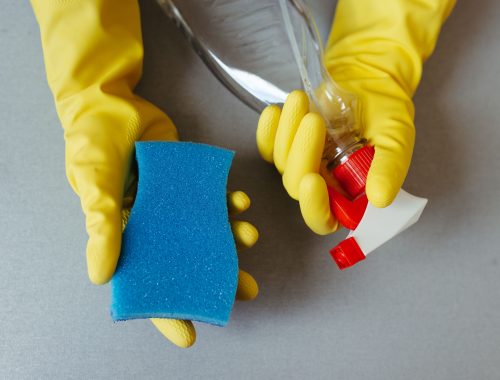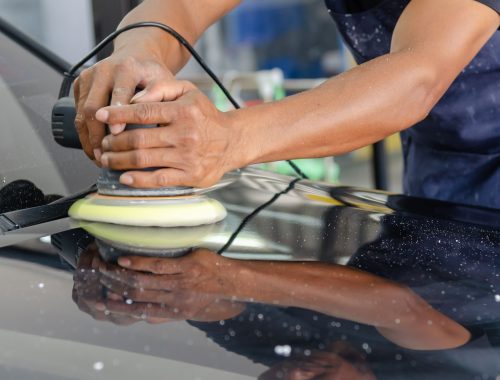

Properly clean black wheels — gloss, satin, or matte finish — by using a pH-balanced, wax-free wheel cleaner made specifically for coated finishes, applied while the wheels are cool and in the shade so the product doesn’t dry too fast and streak. Let the cleaner dwell 2-3 minutes, scrub gently with a soft flag-tipped brush, rinse thoroughly, then dry by blotting rather than rubbing — rubbing a matte finish can burnish it into unwanted shiny spots.
Here’s why black and matte finishes need a different product and technique than standard alloy wheels, and how to keep them looking right long-term.
Key Takeaways
- Use a pH-balanced, wax-free cleaner made for coated or matte finishes — harsh acidic cleaners can damage the coating.
- Clean in the shade with cool wheels to prevent the cleaner from drying too fast and streaking.
- Blot dry, don’t rub — rubbing a matte finish can burnish it into shiny, uneven-looking spots.
- Always spot-test a new cleaner on an inconspicuous area first, since matte finishes are more sensitive to damage than gloss.
Why Black and Matte Finishes Are Different
| Do | Avoid |
|---|---|
| pH-balanced, wax-free wheel cleaner | Acidic or wax-based cleaners |
| Soft flag-tipped brush | Stiff-bristle or abrasive brushes |
| Clean in shade, wheels cool | Cleaning in direct sun or on hot rims |
| Blot dry with microfiber | Rubbing the surface dry |
Look for a wheel cleanser designed specifically for matte or coated finishes that’s pH balanced and contains no wax — some standard wheel cleaners are too harsh, especially on delicate matte coatings, and can cause visible damage over repeated use (Dr. Beasley’s). If you’re unsure whether a product is safe for your specific finish, always spot-test on an inconspicuous area first — matte and satin coatings are meaningfully more sensitive to chemical damage than a standard glossy alloy wheel.
The Cleaning Process

Park your car in a shaded area or inside a garage before you start, and make sure the wheels are cool to the touch — this prevents the cleaner from drying too quickly on the surface, which causes streaking (Miranda Detailing). Give the wheels a good rinse from top to bottom first to wash away loose brake dust and grime, then spray the pH-balanced cleaner across the surface, focusing on areas with heavy buildup like around the lug nuts and between spokes. Let the cleaner sit for 2-3 minutes to actually break down the dirt before you start scrubbing.
Use a soft-bristle, flag-tipped wheel brush — the gentle flagged tips dislodge dirt without scratching the coating (Chemical Guys). After scrubbing, rinse thoroughly with clean water to make sure all cleaner and loosened grime are washed away, since leftover residue can also cause streaking as it dries. Dry with a clean microfiber towel, blotting the surface rather than rubbing it — rubbing can burnish a matte finish into unwanted shiny spots that stand out against the surrounding matte texture.
If your wheels have a standard glossy alloy finish rather than black or matte, our general guide on properly cleaning car wheels covers the standard process and product recommendations that apply there instead.
Protecting the Finish Going Forward
To make future cleaning easier, protect matte or black wheels with a sealant specifically designed for that finish type — this helps keep contaminants like brake dust from bonding tightly to the surface, so they rinse away more easily during routine washes rather than requiring aggressive scrubbing each time. Our guide on protecting your car wheels covers sealant and coating options in more depth, including which products are safe for coated and matte finishes specifically.
Frequently Asked Questions
Can I use the same cleaner on black wheels that I use on standard alloy wheels?
Not always safely — many standard wheel cleaners contain acids or waxes that can strip or discolor a matte or satin coating, so it’s safer to use a product specifically labeled safe for coated and matte finishes.
Why does my matte wheel look shinier in some spots after cleaning?
That’s typically burnishing from rubbing too hard while drying or scrubbing — matte coatings can develop a polished, shinier appearance where friction has smoothed the textured surface, which is why blotting instead of rubbing matters.
How often should black or matte wheels be cleaned?
Similar to standard wheels — roughly every two weeks under normal driving conditions, though matte finishes can show contamination and streaking more visibly, which sometimes means more frequent light cleaning makes sense.
Is a clay bar safe to use on matte black wheels?
Generally not recommended without checking the specific product and finish first — clay treatments designed for gloss paint can sometimes affect a matte texture, so a wheel-specific approach is safer than assuming standard detailing products transfer directly.
The Bottom Line
Cleaning black and matte wheels properly comes down to using a pH-balanced, wax-free cleaner made for coated finishes, working in the shade on cool wheels, scrubbing gently, and blotting dry instead of rubbing. These finishes are more sensitive than standard glossy alloy wheels, and the right product and technique combination keeps them looking uniformly matte rather than developing shiny, burnished patches over time.
Want your black or matte wheels professionally cleaned and protected? Contact San Diego Bumper and Collision for a quote.