Remove window tint yourself using a fabric or garment steamer: warm the glass, hold the steam nozzle about an inch from a corner until the film loosens enough to catch with a fingernail, then slowly peel the tint away while continuing to apply steam where the film meets the glass. It’s the easiest reliable DIY method, taking roughly 3-6 hours for a full vehicle with a real risk of adhesive residue if you rush it.
Here’s the full steam removal process, what professional removal costs if you’d rather skip the mess, and why California’s tint laws matter if you’re removing tint for compliance reasons.
Key Takeaways
- A fabric steamer is the easiest DIY removal method — roughly $20-$30 for the tool, plus 3-6 hours of work.
- Professional removal runs $50-$150 per window, or $200-$450 for most sedans, and takes just 1-2 hours.
- California requires front side windows to allow more than 70% light transmission — non-compliant tint can trigger a correctable violation ticket.
- DIY carries real risk of adhesive residue and rushed mistakes — professional removal is lower-risk but costs meaningfully more.
Supplies You’ll Need
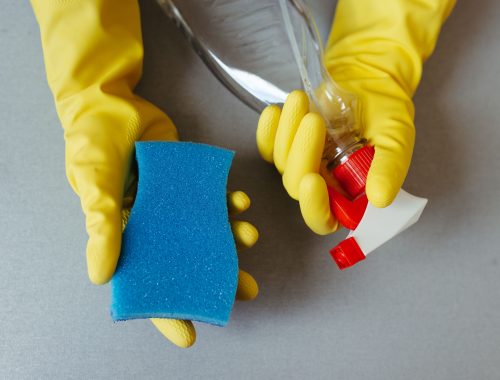
The steam method requires a basic garment or upholstery steamer ($20-$30), shop towels or microfiber cloths, soapy water, and glass cleaner for the finishing step. This combination handles most factory and aftermarket tint films without needing anything more specialized (YourMechanic).
Step-by-Step: The Steam Method
- Fill and heat the steamer, waiting for the ready indicator before starting.
- Warm the window first by briefly running the steamer over the outside glass, helping it heat evenly before you start working on the film itself.
- Target a corner of the tint, holding the steam nozzle about an inch away and applying steam for roughly a minute, until you can catch and lift the edge with a fingernail.
- Work from inside the car, holding the steamer a couple inches from the tint and moving it slowly across the entire window, top to bottom, to loosen the full sheet.
- Peel the tint slowly while continuing to direct steam at the point where the film and glass meet — this keeps the adhesive soft as you go rather than letting it re-harden mid-peel (Gear4Wheels).
- Clean the window thoroughly with glass cleaner and paper towels or a microfiber cloth to remove any leftover adhesive residue.
DIY vs. Professional: What It Costs
DIY removal costs just $20-$50 in supplies but takes 3-6 hours and carries genuine risk of leftover adhesive residue or accidentally scratching the glass if you rush the peel. Professional removal runs $50-$150 per window, or $200-$450 for most sedans, but takes only 1-2 hours with meaningfully lower risk of a botched job (Jet Black Tint). Windows with an embedded defroster grid cost more to strip cleanly, since the heating elements are easy to damage with an aggressive scraping technique.
California Tint Laws: Why This Matters for Compliance
California requires front side windows to allow more than 70% of light to pass through, and windshield tinting is only permitted on the top 4 inches. The law also prohibits certain tint colors — red, amber, and blue — reserved specifically for emergency vehicles (Easton Law Offices).
First-time violations typically incur fines of $25-$200 depending on local jurisdiction, usually issued as a “correctable violation” — you’re required to remove the non-compliant tint and obtain verification from law enforcement or an authorized inspection station within a set timeframe. If you’re removing tint specifically for compliance reasons ahead of a required vehicle inspection, confirm you’re meeting the actual light transmission requirement, not just removing visibly dark film.
Frequently Asked Questions
Will removing tint damage my window?
Not if done carefully with proper heat and patience. Aggressive scraping without adequate steam or heat is what causes scratches — the steam method specifically minimizes that risk by softening the adhesive before you apply any physical force.
Can I remove tint without a steamer?
Yes, alternatives include hair dryers or direct sunlight on a hot day to soften the adhesive, though these methods generally take longer and work less consistently than steam, which delivers more concentrated, controllable heat.
Does old tint leave permanent marks on glass?
Rarely, if removed properly. Leftover adhesive residue is common but cleans off with glass cleaner and some elbow grease; genuine permanent damage to the glass itself is uncommon unless the removal process involved aggressive scraping that scratched the surface.
Should I have my new tint professionally installed after removal?
If you’re removing old or non-compliant tint specifically to replace it, professional installation ensures the new film meets legal light transmission requirements and is applied without bubbles or edge lifting — issues DIY tint jobs commonly run into.
The Bottom Line
A fabric steamer makes DIY window tint removal genuinely achievable for $20-$50 in supplies, though it takes 3-6 hours and some patience to avoid residue or scratches. Professional removal costs $200-$450 for most sedans but finishes in 1-2 hours with lower risk. If you’re removing tint for legal compliance, confirm the actual light transmission requirement rather than assuming any removal satisfies it.
Dealing with damaged glass or need professional tint removal? Contact San Diego Bumper and Collision — see also our car window replacement cost guide if the glass itself needs attention.