
Wash your car in winter by picking the warmest part of the day — almost always between noon and 3 p.m. — and skipping the wash entirely if the temperature is below 32°F, since washing at that point risks turning your car into an icicle rather than actually cleaning it. Use warm, not-too-hot water with a pH-neutral, heavy-duty shampoo, washing top to bottom with a microfiber mitt, and prioritize an underbody rinse specifically, since the salt causing the most damage sits underneath the vehicle. Dry thoroughly afterward, especially door, trunk, and fuel-door seals, mirrors, and handles, so no leftover water can freeze in place.
Here’s the temperature thresholds that actually matter, why underbody rinsing deserves priority in winter, and how often washing should happen when roads are salted.
Key Takeaways
- Skip washing below 32°F — water will freeze on contact rather than actually cleaning the car.
- Wash during the warmest window, typically noon to 3 p.m., when ambient temperature peaks for the day.
- Underbody rinsing matters more than usual — road salt does its worst damage underneath, out of sight.
- Dry seals and moving parts thoroughly — leftover water in door or trunk seals can freeze and cause real problems.
Seal Points That Need Extra Drying Attention
Temperature and Timing
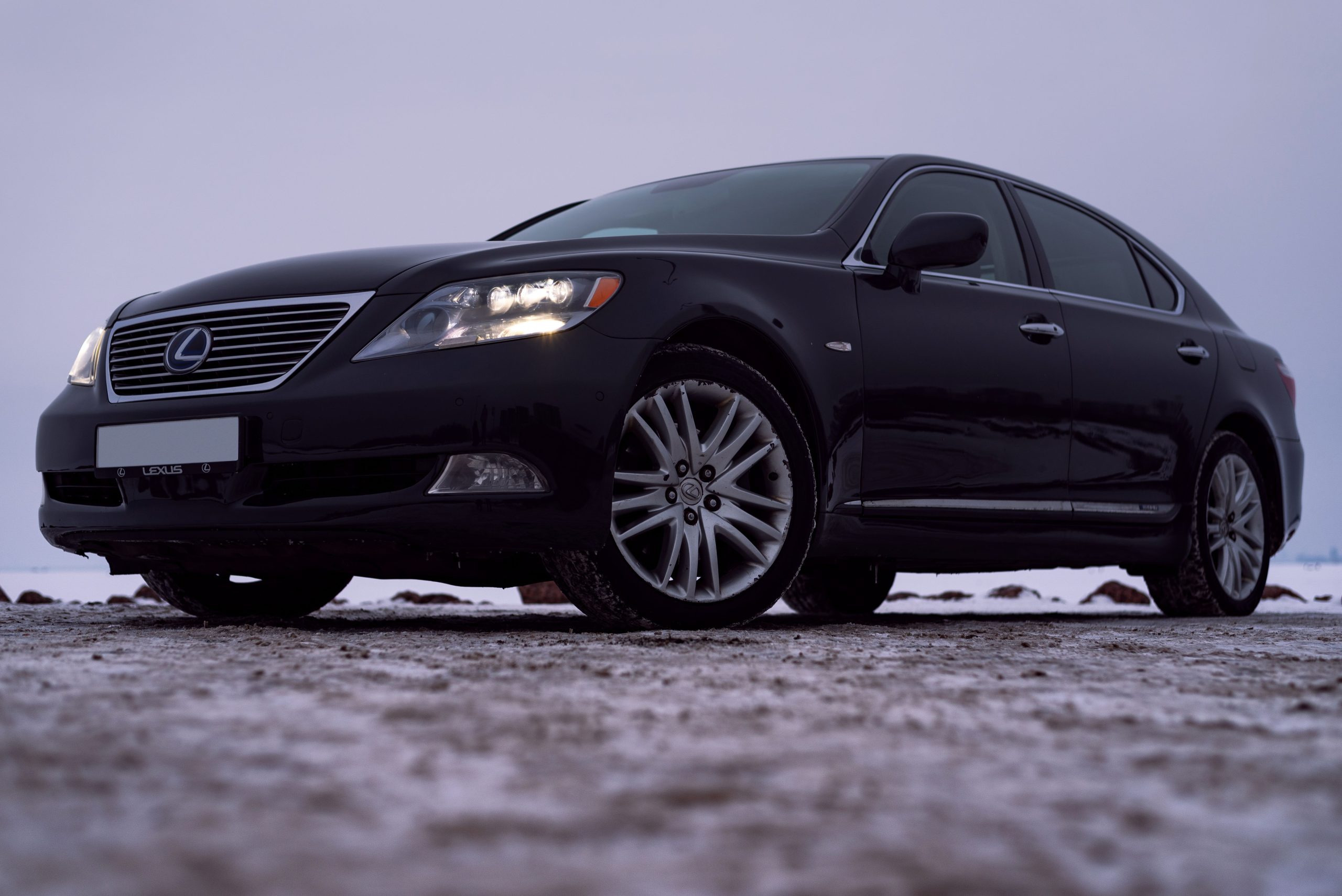
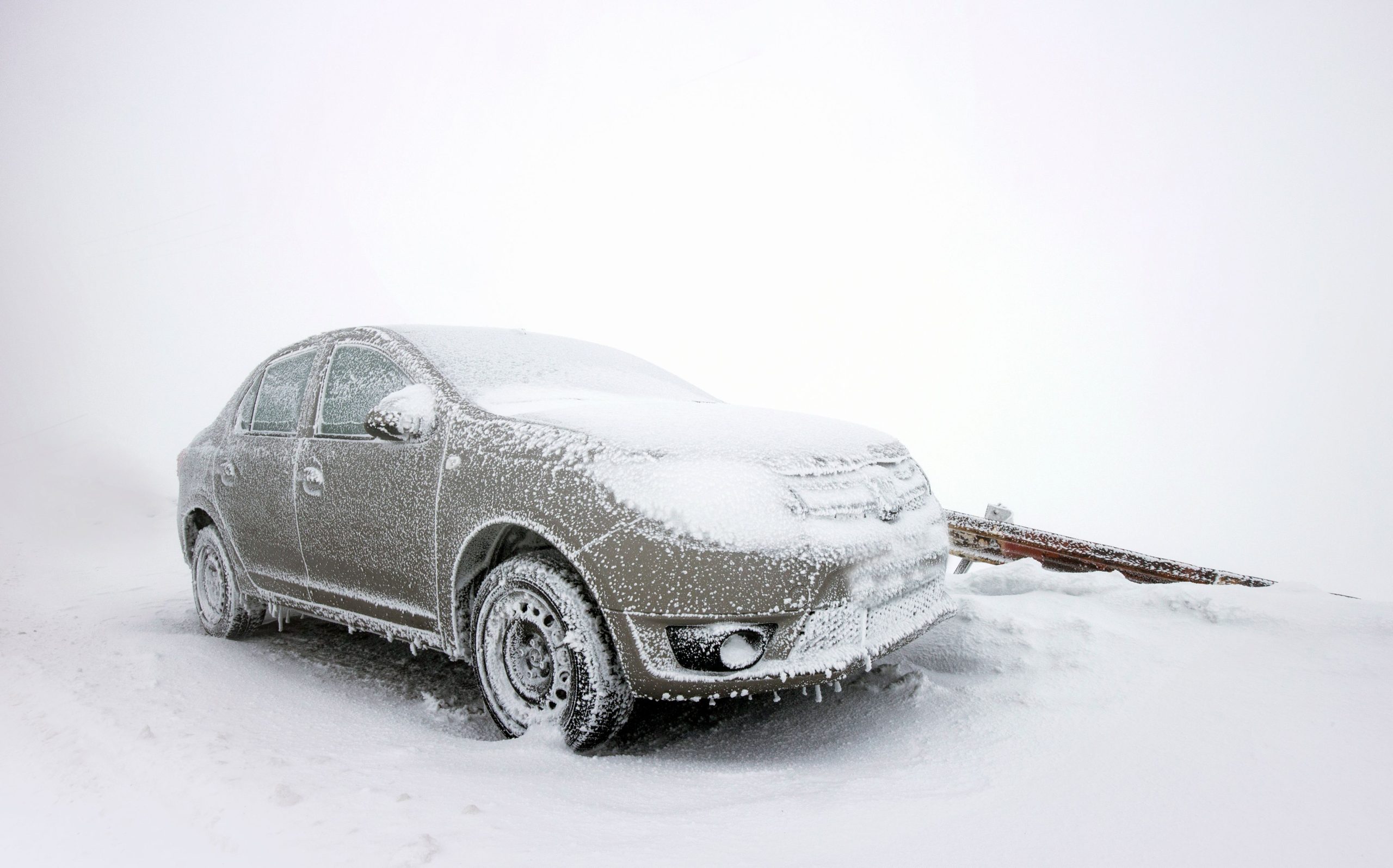
There’s no point trying if the mercury drops below 32°F, since washing a car in that weather will genuinely turn your ride into an icicle rather than clean it (Jalopnik). Plan your wash for the warmest part of the day, almost always between noon and 3 p.m., when the sun is at its strongest and ambient temperature is at its daily peak. Stick to warm, not-too-hot water, which makes soap and water more effective at removing road salts and grime — avoid boiling water specifically, since dousing it over a frozen windshield or freezing-weather paint can cause damage rather than help.
Technique and the Underbody Priority
Use a heavy-duty, pH-neutral car shampoo, washing top to bottom with a microfiber wash mitt, following the same general order covered in our guide on how to wash your car (Express Lube Richland Hills). In winter specifically, prioritize an underbody rinse, since the salt causing the most damage sits underneath the vehicle, largely out of sight and easy to neglect during a standard wash focused mainly on visible panels. Our guide on detailing a dirty undercarriage covers this underbody process and rust prevention in more depth, which matters even more during salted-road season than at any other time of year.
Drying Thoroughly to Prevent Freezing
Dry thoroughly after washing, especially toweling the door, trunk, and fuel-door seals, mirrors, and handles so no water is left behind to freeze in place. A frozen door seal can actually prevent the door from opening properly, and frozen handle mechanisms create a genuinely frustrating, occasionally damaging problem if ice forms inside moving parts. Our guide on properly drying your car after washing covers the general top-to-bottom drying technique, though winter conditions raise the stakes on getting every seal and crevice genuinely dry.
How Often to Wash During Salt Season
If you drive in areas where salt is frequently applied to the roads, washing every 10-14 days is advisable to minimize corrosion risk. Waiting longer between washes lets salt sit against metal and paint for extended periods, accelerating the corrosion process specifically in ways that regular summer dirt doesn’t.
Frequently Asked Questions
Is it safe to use an automatic car wash in freezing temperatures?
Some automatic washes use heated water and blowers that handle freezing conditions reasonably well, though checking that the specific facility is designed for winter use is worth doing before assuming it’s safe.
Can washing a car in winter damage the paint if done correctly?
Generally no, as long as temperature guidelines and proper technique are followed — the risk comes specifically from washing in below-freezing temperatures or using water that’s too hot, not from winter washing itself.
Does wax or sealant help protect against winter salt damage?
Yes — a fresh coat of wax or sealant before winter creates an additional barrier that makes salt and grime easier to rinse away, reducing how tightly contaminants bond to the paint during salt season.
Should I wash my car right before a snowstorm?
It’s generally better to wash after the storm passes and roads are salted and cleared, since washing right before just means the car gets dirty again almost immediately once you’re driving on treated roads.
The Bottom Line
Washing your car in winter comes down to picking the right temperature window, prioritizing underbody rinsing to address road salt, and drying every seal and moving part thoroughly to prevent freezing. Washing every 10-14 days during salt season, rather than skipping washes to avoid the cold, is what actually protects your car through the harshest driving conditions of the year.
Want your car professionally washed and protected through winter? Contact San Diego Bumper and Collision to ask about our services.