Power steering pump replacement costs $400 to $900 for most vehicles, with budget-friendly cases landing around $270-$491 and luxury vehicles or trucks sometimes reaching $1,000+. The job typically takes 2-3 hours, though it can run from 1 hour on an easy-access engine to 5 on a cramped one.
This guide covers the full cost breakdown, the whining noise that gives a failing pump away, and why this repair doesn’t even exist on a growing share of new vehicles.
Key Takeaways
- Typical cost: $400-$900, with budget cases around $270-$491 and luxury or complex jobs reaching $1,000+.
- A whining or groaning noise when turning, especially at low speed or idle, is the classic early symptom.
- Foamy or milky power steering fluid means air is getting into the system through worn seals — a clear sign the pump needs attention.
- Most new cars use electric power steering now, which has no pump, no fluid, and none of this failure mode at all.
Power Steering Pump Replacement Cost Breakdown
| Scenario | Typical cost | Notes |
|---|---|---|
| Budget / economy vehicle | $270-$491 | Simpler pumps, easier access |
| Typical vehicle | $400-$900 | Most common range across sources |
| Luxury / truck / complex access | $1,000+ | Pricier pumps, more labor to reach |
Figures compiled from 2026 cost guides (J.D. Power; SoFi; PartCatalog, retrieved July 2026). Most quotes include fresh power steering fluid along with the pump — if hoses, the reservoir, or a pulley also need replacing, the total climbs from there.
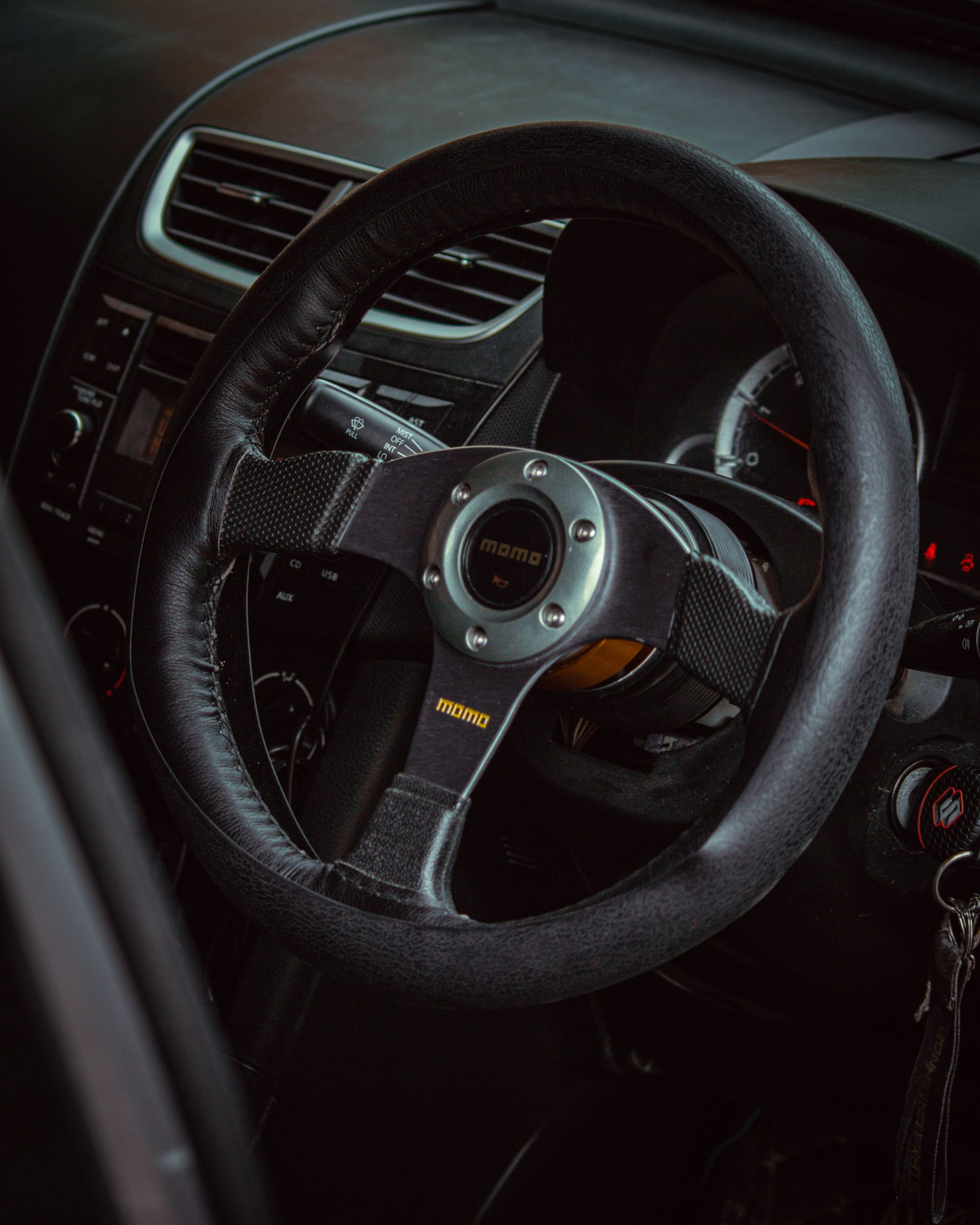
Signs of a Bad Power Steering Pump
- Whining, groaning, or screeching when turning — most noticeable at low speed, idle, or when turning fully to one side.
- Heavier steering effort, sometimes dramatically so, especially when slow or stopped.
- Visible fluid leaks under the front of the engine, from cracked pump housing or loose fittings.
- Foamy or milky power steering fluid in the reservoir, meaning air has entered through worn seals.
- Steering wheel shudder or vibration when turning, particularly at low speed.
Low or leaking fluid is often the root cause behind these symptoms rather than the pump itself failing outright — worth checking the fluid level and looking for leaks before assuming the pump needs full replacement (CarParts.com).
Whining Pump or Squealing Belt? How to Tell
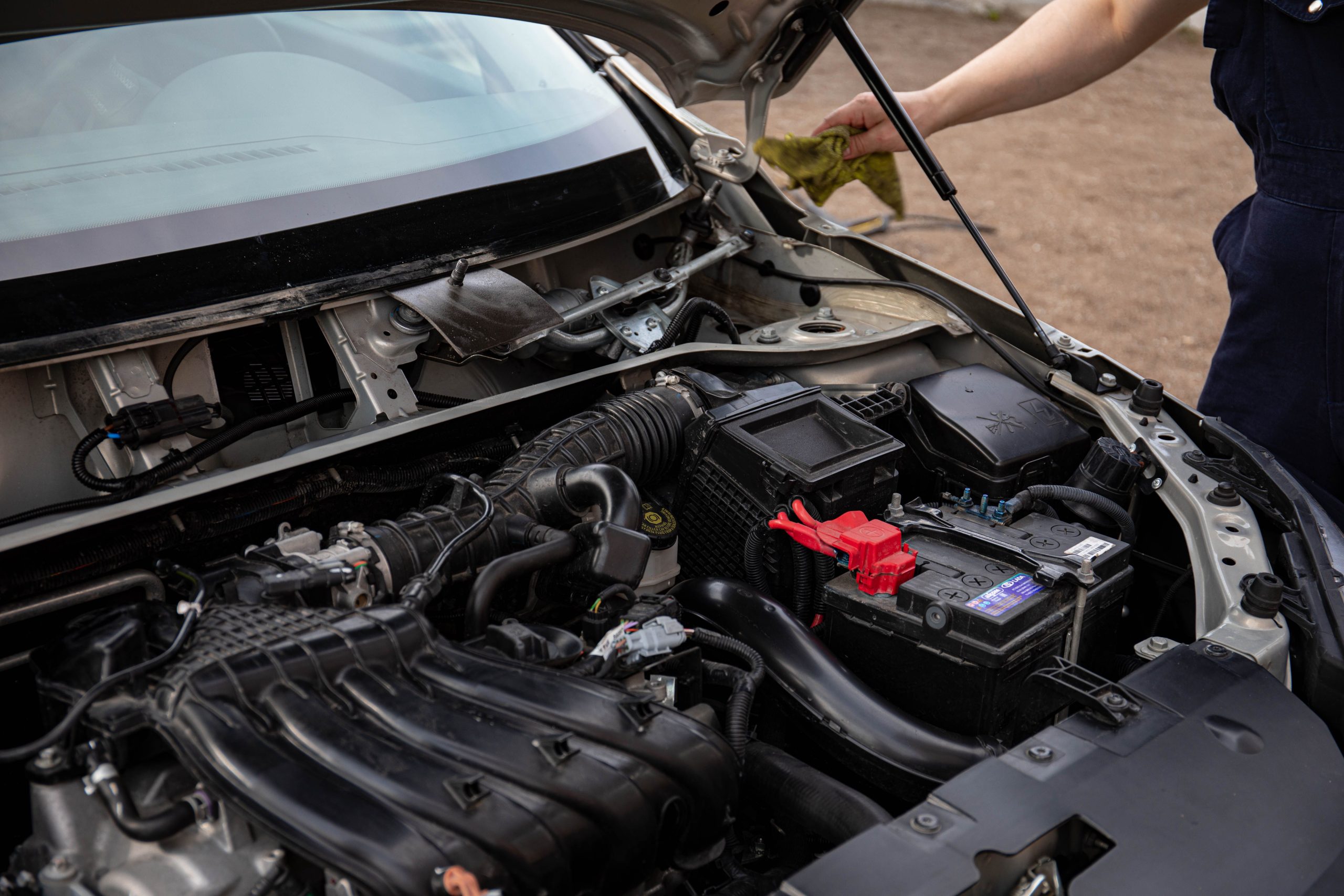
These two get confused constantly because both produce a similar high-pitched noise near the front of the engine. A worn serpentine belt — which is what actually drives a hydraulic power steering pump — tends to squeal on startup or under general load and doesn’t track specifically with steering input. A failing pump’s whine gets noticeably louder specifically when you turn the wheel, especially turning fully to lock.
If tightening or replacing the belt doesn’t resolve the noise, or if the whine is clearly tied to steering input rather than engine load, that points toward the pump rather than the belt. A shop can confirm quickly, and it’s worth ruling out the cheaper belt fix first.
Electric Power Steering: Why This Repair Is Disappearing
Almost every new car today — from a Corolla or Civic to a Hyundai Elantra — uses electric power steering (EPS) instead of a hydraulic pump. EPS uses an electric motor at the steering rack or column rather than hydraulic fluid pressurized by a belt-driven pump (J.D. Power).
That matters directly for this guide: if your car has EPS, none of this applies — there’s no pump, no fluid, no belt-driven whine to diagnose. Automakers switched largely for fuel efficiency (EPS only draws power when you’re actually steering, improving economy by an estimated 2-4%) and lower long-term maintenance. If you’re not sure which system your car has, check your owner’s manual or look for a power steering fluid reservoir under the hood — no reservoir usually means EPS.
Is DIY Worth It?
It’s a moderate DIY job on many vehicles — accessible pumps can be swapped with basic hand tools, a pulley puller, and care in properly bleeding air out of the system afterward. The job typically takes 2-3 hours, though tight engine bays push that toward 5.
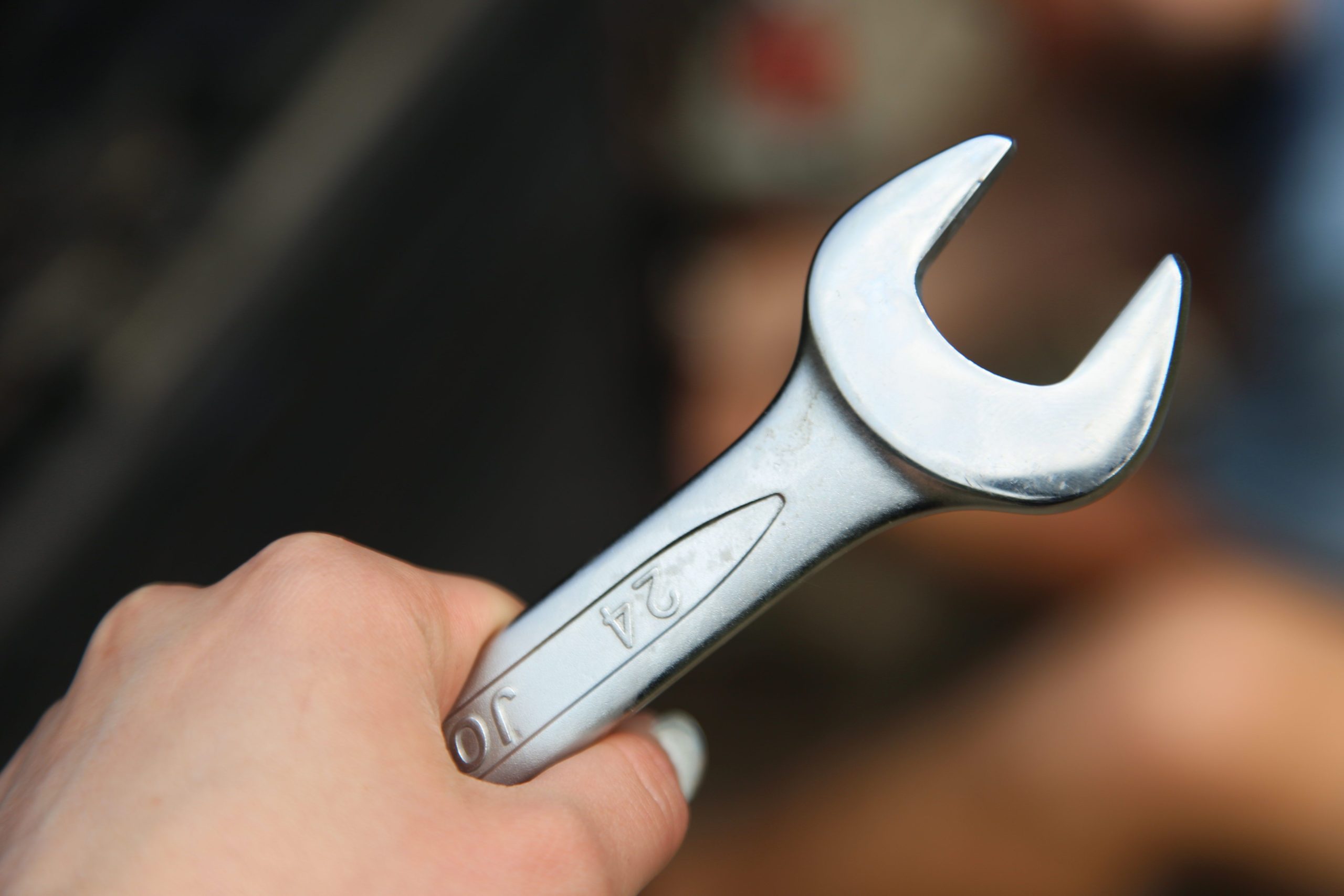
The part most likely to trip up a DIYer isn’t the pump swap itself — it’s properly bleeding the system afterward. Air trapped in the lines causes noise and poor assist even with a brand-new pump installed correctly, so budget extra time for that step rather than assuming the job is done once the new pump is bolted in.
Frequently Asked Questions
Can I just add fluid instead of replacing the pump?
If the fluid is simply low and there’s no active leak, topping it off is a reasonable first step and sometimes resolves minor whining on its own. But if fluid keeps disappearing, there’s a leak somewhere that needs fixing regardless — adding fluid repeatedly just delays the actual repair.
Is it safe to drive with a bad power steering pump?
For a short distance, yes, though steering gets noticeably heavier, especially at low speed. It’s not a sudden safety failure like a steering component such as a tie rod, but heavy steering during an emergency maneuver is still a real handling downgrade worth addressing soon.
Does a power steering pump affect wheel alignment?
No. Unlike a control arm or tie rod, the pump only provides steering assist — it doesn’t touch suspension geometry, so no alignment is needed after replacing it.
How long do power steering pumps typically last?
Many last the life of the vehicle if fluid is maintained and leaks are addressed promptly, though seal wear and belt-driven wear-and-tear mean some vehicles need one around 80,000-150,000 miles. Contaminated or old fluid accelerates internal wear.
The Bottom Line
Budget $400-$900 for a typical power steering pump replacement, less on simpler vehicles and more on luxury models or tight engine bays. A whine that tracks with steering input, heavier steering effort, and foamy fluid are the signs worth acting on — but check the serpentine belt and fluid level first, since both are cheaper fixes that mimic the same symptoms.
Not sure if it’s the pump, the belt, or just low fluid? Contact San Diego Bumper and Collision for a diagnosis before you order parts.