A head gasket replacement typically costs $1,200 to $3,500 at an independent shop, with severe cases on aluminum-block or V6 engines running up to $6,000+. Almost none of that is the part itself — the gasket costs $30-$100; you’re paying for 8-15 hours of labor to tear the engine down to reach it.
Here’s the full cost breakdown, the symptoms that mean you’re looking at this repair, and the math for deciding whether it’s worth fixing at all.
Key Takeaways
- Total cost: $1,200-$3,500 typically, and $3,500-$6,000+ on transverse V6 or aluminum-block engines where access is harder.
- The gasket itself is $30-$100. Labor (8-15 hours) plus a $200-$500 machine shop fee to resurface the cylinder head account for nearly the entire bill.
- White exhaust smoke with a sweet smell and milky, frothy oil are the two most reliable symptoms — not just overheating alone.
- The common rule of thumb: only repair if the cost is under half your car’s resale value, or the car is worth at least double the repair quote.
Head Gasket Replacement Cost by Engine Type
| Engine layout | Typical cost | Why |
|---|---|---|
| Simple inline 4-cylinder | $1,200-$2,000 | One head, reasonable access, fewer hours |
| V6 or transverse-mounted engine | $2,500-$3,500 | Two heads, or the engine has to come partly out to reach it |
| Aluminum-block or performance engine | $3,500-$6,000+ | Warping risk is higher, often needs a full teardown and machine shop work |
National estimates cluster around $2,400-$3,300 as a midpoint (RepairPal; ConsumerAffairs, retrieved July 2026), but real-world shop quotes swing widely depending on which end of that table your engine falls on. This isn’t a repair where the part drives the price — it’s almost entirely about how many hours it takes to get the head off and back on correctly.
Why It’s So Expensive
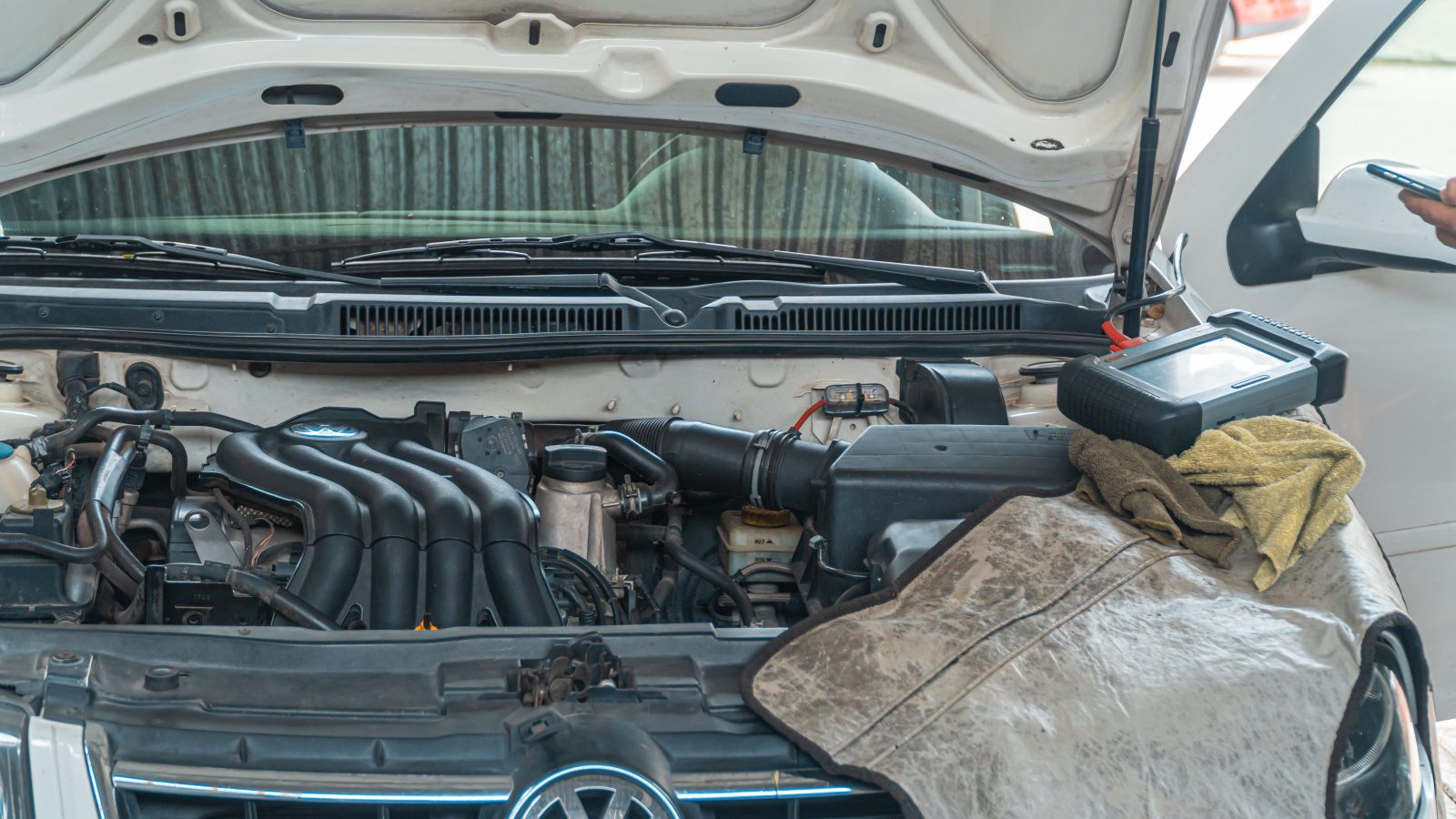
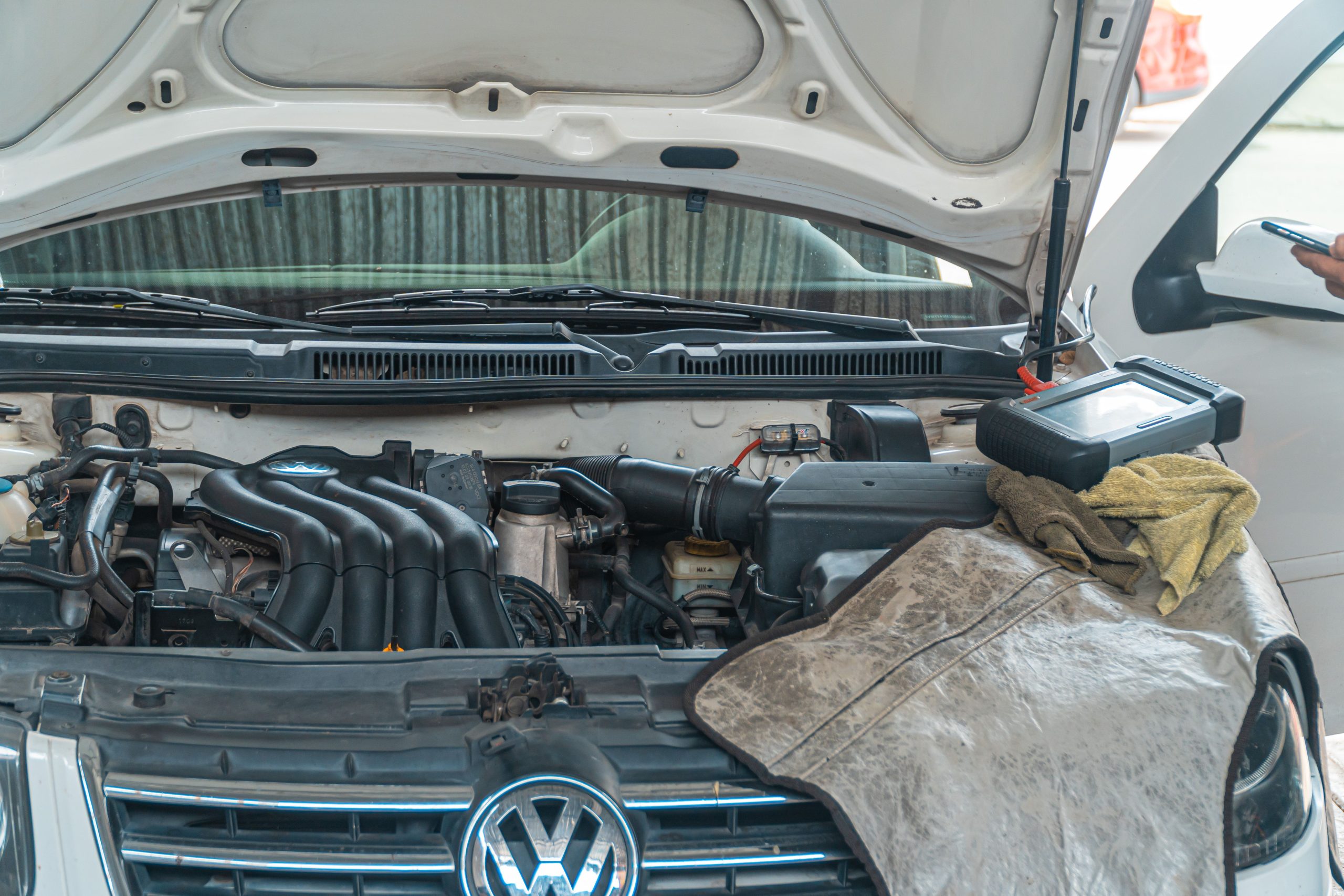
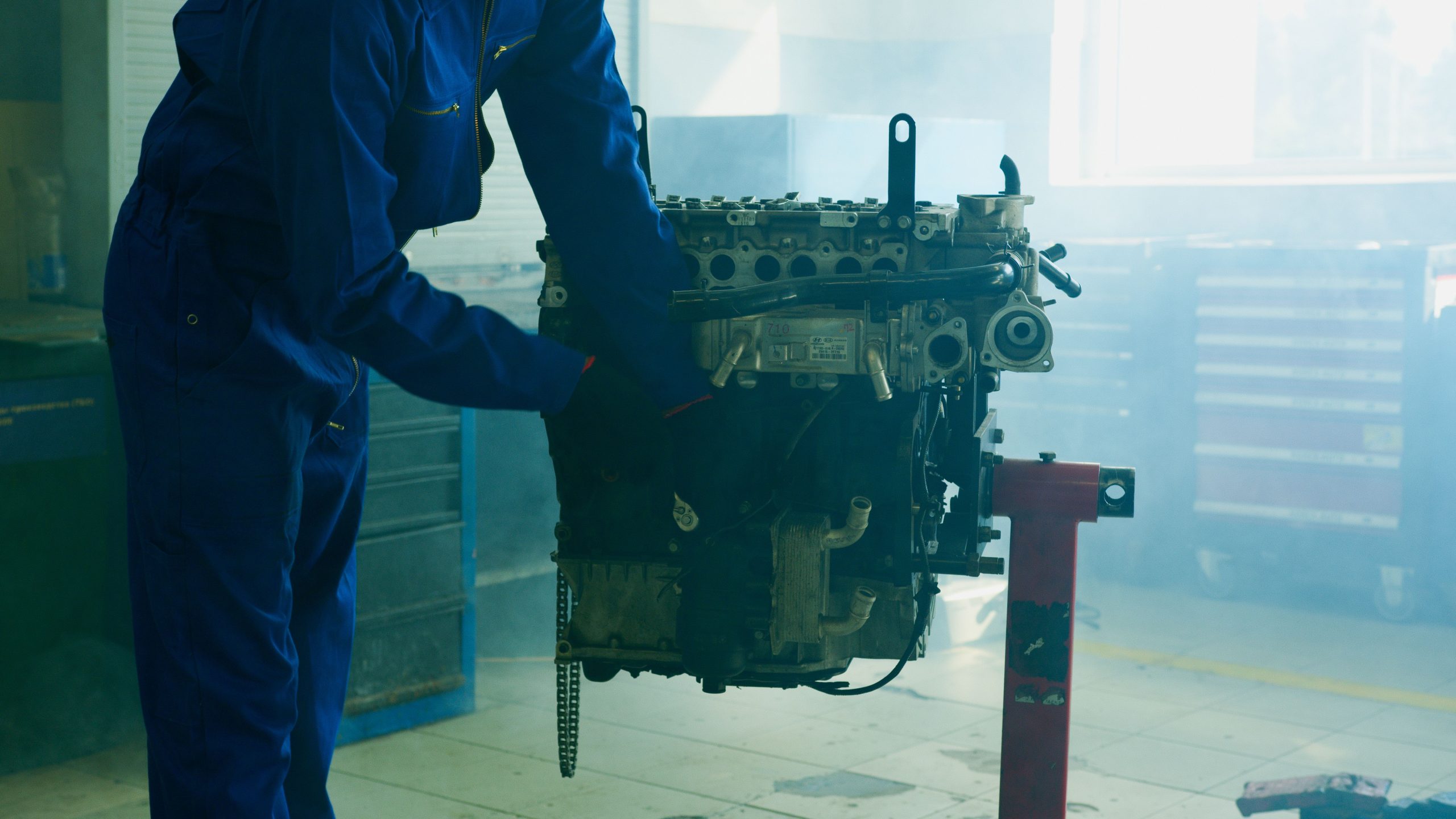
A head gasket sits sandwiched between the cylinder head and the engine block, sealing coolant and oil passages along with the combustion chambers. To replace it, a shop has to remove the intake, exhaust manifolds, valve covers, timing components, and the head itself — often 8-15 hours of labor before the $30-$100 gasket ever goes in.
Once the head is off, most shops send it to a machine shop to be checked for warping and resurfaced flat, since a warped head won’t seal against a new gasket any better than the old one did. That adds another $200-$500 to the bill regardless of labor rate.
This is also why quotes vary so much between shops: a shop quoting 8 hours and one quoting 15 hours for the same engine can be $800-$1,000 apart before either has touched a part. Ask for the labor hours up front, not just the total, so you can tell whether a quote is reasonable.
Signs of a Blown Head Gasket
Two symptoms are the most reliable indicators — everything else is supporting evidence:
- Thick white exhaust smoke with a sweet smell that persists after the engine reaches full temperature, caused by coolant burning in the combustion chamber (CRC Industries).
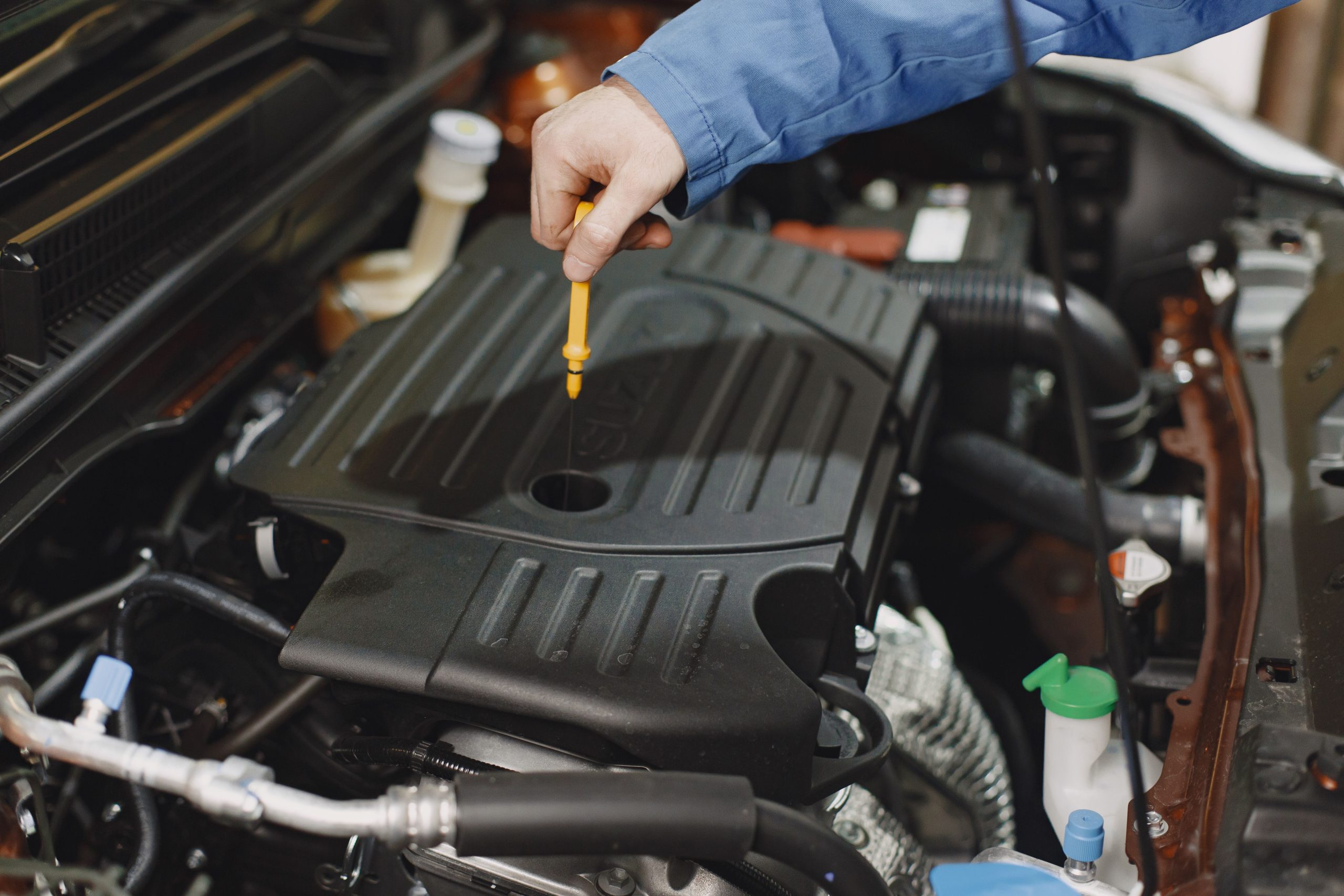
- Milky or frothy oil — check the dipstick or the underside of the oil filler cap for a “mayonnaise” residue, which means coolant has mixed into the oil.
- Overheating with no visible external coolant leak, since the coolant is escaping internally instead.
- Bubbles in the radiator or overflow tank with the engine running, from combustion gases leaking into the cooling system.
- Rough idle or misfires, since a blown gasket can drop compression in one or more cylinders.
Any one of these on its own is worth investigating. White smoke plus milky oil together is close to a confirmed diagnosis rather than a maybe. If all you’ve actually got is a spot on the driveway with no smoke and clean oil on the dipstick, that’s more likely a simple oil leak than a head gasket problem — a much cheaper fix.
Can You Fix It Without Replacing It?
Head gasket sealer additives like BlueDevil or K-Seal cost $40-$60 a bottle and pour directly into the radiator, no teardown required. For a minor, recently developed leak, they can work — enough drivers report success on small leaks that they’re worth trying before committing to a full repair.
The honest limits: results are inconsistent on anything beyond a minor leak, and they aren’t a fix for a head that’s already warped or a gasket that’s badly failed. Application also isn’t quite “pour and drive” — the BlueDevil process, for example, calls for flushing the cooling system, pulling the thermostat, and idling the engine for roughly 50 minutes to circulate the sealant properly (Glenn Said). Treat a sealer as a $40-$60, 1-hour bet worth making on a fresh, minor leak — not a substitute for the real repair once symptoms are severe or have been present for a while.
Not to be confused with the job itself: a leaking valve cover gasket is a completely different, far cheaper repair — see our valve cover gasket replacement cost guide if your symptom is an oil leak or smell rather than white smoke and overheating.
Is It Worth Repairing?
This is really a math question, and there’s a widely used rule of thumb: repair is generally worth it if the quote is under about half your car’s resale value, or put another way, the car should be worth at least double the repair cost to justify fixing it (headgasketrepaircost.com, retrieved July 2026).
If the head gasket failure has already damaged the block or the engine has high mileage on top of it, compare the repair quote against your other options:
A used engine swap ($2,500-$4,500) or a rebuilt engine ($3,000-$6,000) sometimes lands close enough to a severe head gasket quote that it’s worth comparing directly, especially if the car needs other work anyway. A new engine, at $5,000-$10,000+, rarely makes sense unless the vehicle itself is worth significantly more than that.
Frequently Asked Questions
Can I still drive with a blown head gasket?
Not for long, and not far. Driving on a blown head gasket risks overheating the engine and warping the cylinder head, which turns a $1,200-$3,500 repair into a much larger one. If you’re seeing white smoke or the temperature gauge climbing, get the car to a shop rather than continuing to drive it.
How long does a head gasket replacement take?
Most shops need one to three full days, since the job involves 8-15 hours of hands-on labor plus time for the head to be machined at a separate shop and for fluids and gaskets to cure properly before startup.
Will insurance cover a head gasket repair?
Almost never. Standard auto insurance covers collision and comprehensive damage, not mechanical wear-and-tear failures. A head gasket claim is only covered if it’s tied to something insurance does cover, like overheating damage from a covered collision — an extended warranty or mechanical breakdown policy is the more relevant coverage type here.
What causes a head gasket to blow in the first place?
Overheating is the most common root cause — the metal expands unevenly and the gasket fails at its weakest point. Other causes include a pre-existing cooling system problem left unaddressed (including a snapped serpentine belt, which stops the water pump and lets the engine overheat within minutes), an improperly torqued head from a previous repair, or simply age and heat-cycle wear on higher-mileage engines. See our full breakdown of head gasket failure causes for the complete list, including detonation and pre-ignition.
The Bottom Line
Budget $1,200-$3,500 for a straightforward head gasket replacement, and up to $6,000+ on a harder-to-access V6 or aluminum-block engine — almost all of it labor and machine shop time rather than the part itself. Before committing, run the math: if the quote is under half your car’s resale value, repair usually makes sense; if it’s close to or above the car’s value, a used or rebuilt engine is worth pricing out too.
If what’s actually bothering you is a vibration or clunk rather than smoke or overheating, that’s a different job entirely — see our engine mount replacement cost guide instead.
Seeing white smoke or milky oil and not sure what you’re actually dealing with? Contact San Diego Bumper and Collision for a diagnosis before you spend money guessing.