Wheel bearing replacement costs $250 to $600 per wheel for most vehicles, with front bearings usually running $250-$500 and rear $350-$500. Higher-end and luxury vehicles push that to $400-$800 per wheel, and jobs complicated by seized hardware or damaged sensors can top $1,000+.
This guide covers the full cost breakdown, the humming noise that gives a bad bearing away, why you shouldn’t wait to fix one, and what separates an easy DIY hub swap from a job that needs a press.
Key Takeaways
- Typical cost: $250-$600 per wheel, $400-$800 on higher-end vehicles, $1,000+ for complex or seized jobs.
- A humming or growling noise that changes with speed and turning is the signature symptom — it usually starts around 30-40 mph.
- Once noise starts, the bearing is already deteriorating — don’t plan on driving more than a few days once you’ve confirmed it.
- Modern hub assemblies are often bolt-on and DIY-friendly; older press-in bearings almost always need a shop’s press.
Wheel Bearing Replacement Cost Breakdown
| Scenario | Typical cost per wheel | Notes |
|---|---|---|
| Front wheel | $250-$500 | Most common repair |
| Rear wheel | $350-$500 | Access varies more by vehicle |
| Higher-end / luxury vehicle | $400-$800 | Pricier hub assemblies, sometimes more labor |
| Complex / seized job | $1,000+ | Corroded hardware, ABS sensor or hub damage |
Figures compiled from 2026 cost guides (Detroit Axle; RepairPal; AutoAssist, retrieved July 2026). In most cases, labor makes up the bigger share of the bill rather than the part itself, especially once a press or specialty tools are involved.
Signs of a Bad Wheel Bearing
- A humming, growling, or rumbling noise that changes with vehicle speed — usually starting around 30-40 mph and getting louder at highway speed.
- The noise shifts when you turn — typically louder when turning away from the bad side (loading that bearing) and quieter turning toward it.
- Grinding or grating, which signals more advanced wear than a simple hum.
- Vibration through the steering wheel or floor that tracks with speed.
- Looseness or play in the wheel when a shop checks it on a lift, similar to how a ball joint is checked.
A wheel bearing that’s already making noise has already started deteriorating internally — it’s not a sound that fixes itself or plateaus (Meineke).
How Long Can You Drive on a Bad Wheel Bearing?
Not long, and this is genuinely one of the more urgent suspension repairs. A bearing making noise may only last a few hundred to a few thousand miles depending on how far the internal wear has progressed, and once grinding or vibration shows up, that’s an immediate repair situation rather than a scheduling decision (Maxi’s Mechanics).
The worst-case failure mode is real: a bearing that fails completely can cause the wheel to lock up or separate from the hub, with loss of steering control in either case. A faint hum might buy you a short trip to a shop; grinding or noticeable vibration means stop driving and get it towed instead of risking the drive.
Wheel Hub Assembly vs. Press-In Bearing
This distinction matters more for cost and DIY difficulty than almost anything else in this guide. A hub assembly bundles the bearing, hub, and often the ABS sensor into one bolt-on unit — remove a handful of bolts behind the steering knuckle and the whole thing comes off and on. A press-in bearing is a separate component that has to be pressed out of the knuckle and a new one pressed back in squarely, which needs a hydraulic press or a bearing removal kit most driveways don’t have (Detroit Axle).
Many modern hub assemblies also house the ABS sensor or a magnetic encoder ring. Damage the sensor wiring during a rough removal, or press a magnetic-encoder bearing in backward, and you can end up chasing an ABS warning light on top of the original repair.
Is DIY Worth It?
If your vehicle uses a bolt-on hub assembly, yes — this is a manageable job for a comfortable DIYer with a jack, stands, and basic hand tools, no press required. If your vehicle uses a traditional press-in bearing, most DIYers are better off doing the teardown themselves and having a shop handle the actual pressing step, or just handing off the whole job (T1A Auto).
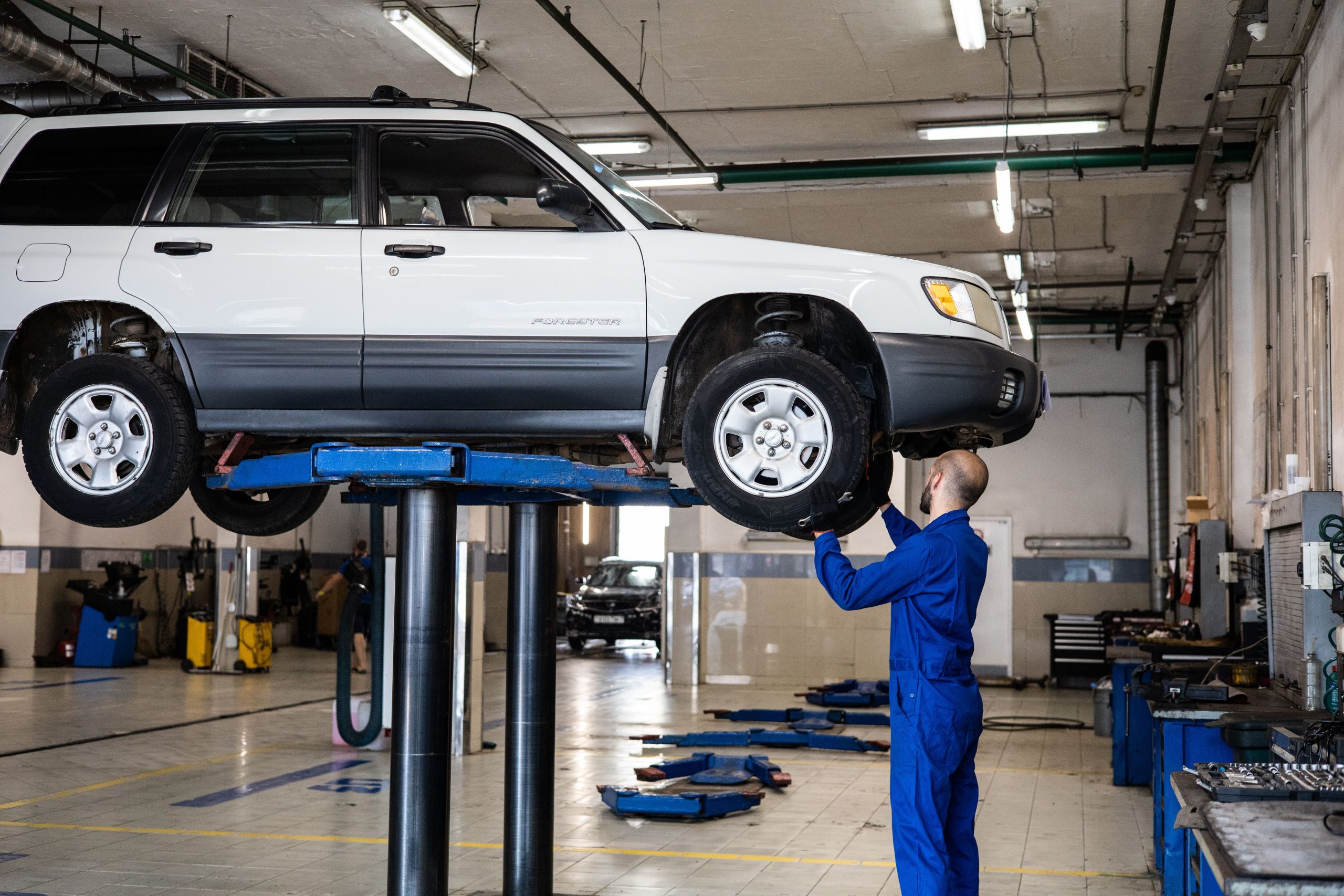
Check which type your car uses before committing to a DIY plan. Getting a press-in bearing seated slightly crooked isn’t a cosmetic issue — it causes premature failure and can damage the knuckle bore, turning a bearing job into a much more expensive one.
Frequently Asked Questions
Is a wheel bearing noise the same as a CV axle click?
No, and the sound is a good way to tell them apart. A bad CV axle typically clicks or pops specifically when turning, while a bad wheel bearing hums or growls continuously and changes with speed rather than steering input alone. Both can happen on the same vehicle, so a shop inspection is worth it if you’re not sure.
Can a bad wheel bearing cause a wobble?
Yes, especially as wear progresses — you may feel vibration or a slight wobble through the steering wheel or floor that increases with speed. This differs from a tie rod or control arm wobble, which tends to come with looser, wandering steering rather than a speed-tracking vibration.
Will a bad wheel bearing throw a check engine or ABS light?
It can, particularly on vehicles where the ABS sensor is integrated into the hub assembly. A failing bearing can disrupt the sensor’s signal or damage it directly, which triggers an ABS warning even though the root cause is mechanical, not electrical.
How long does a wheel bearing replacement take?
A bolt-on hub assembly is often a 1-2 hour job per wheel. A press-in bearing that requires knuckle removal and pressing can take longer, especially if corrosion has seized the hardware.
The Bottom Line
Budget $250-$600 per wheel for most vehicles, more for luxury models or a job complicated by seized hardware. A humming noise that grows with speed and shifts with turning is the signature symptom — treat it as a near-term repair, not something to monitor for months, since a noisy bearing is already failing and the worst-case outcome is a locked or separated wheel.
Hearing a hum or growl and not sure if it’s the bearing, a strut, or something else? Contact San Diego Bumper and Collision for an inspection before the noise turns into a bigger repair.