Clean and protect leather car seats by vacuuming first, wiping gently with a pH-balanced leather cleaner in circular motions, then applying a leather conditioner every 3-6 months while the leather is still slightly damp from cleaning — it absorbs conditioner better this way than bone dry. Finish with a UV protectant to prevent the sun exposure that speeds oil evaporation and causes fading, dryness, and eventual cracking. Never use household cleaners, ammonia, or bleach — these cause irreversible damage to leather.
Here’s the full process, why UV exposure is the real long-term threat to leather condition, and the conditioning schedule that actually prevents cracking.
Key Takeaways
- Condition leather every 3-6 months to maintain suppleness and prevent the drying that leads to cracking.
- Apply conditioner while leather is still slightly damp from cleaning — it absorbs significantly better than on bone-dry leather.
- UV exposure speeds oil evaporation, weakening leather’s protective finish and causing fading, dryness, and early surface breakdown.
- Never use ammonia, bleach, or household cleaners — these cause damage that’s genuinely difficult or impossible to reverse.
The Cleaning Process
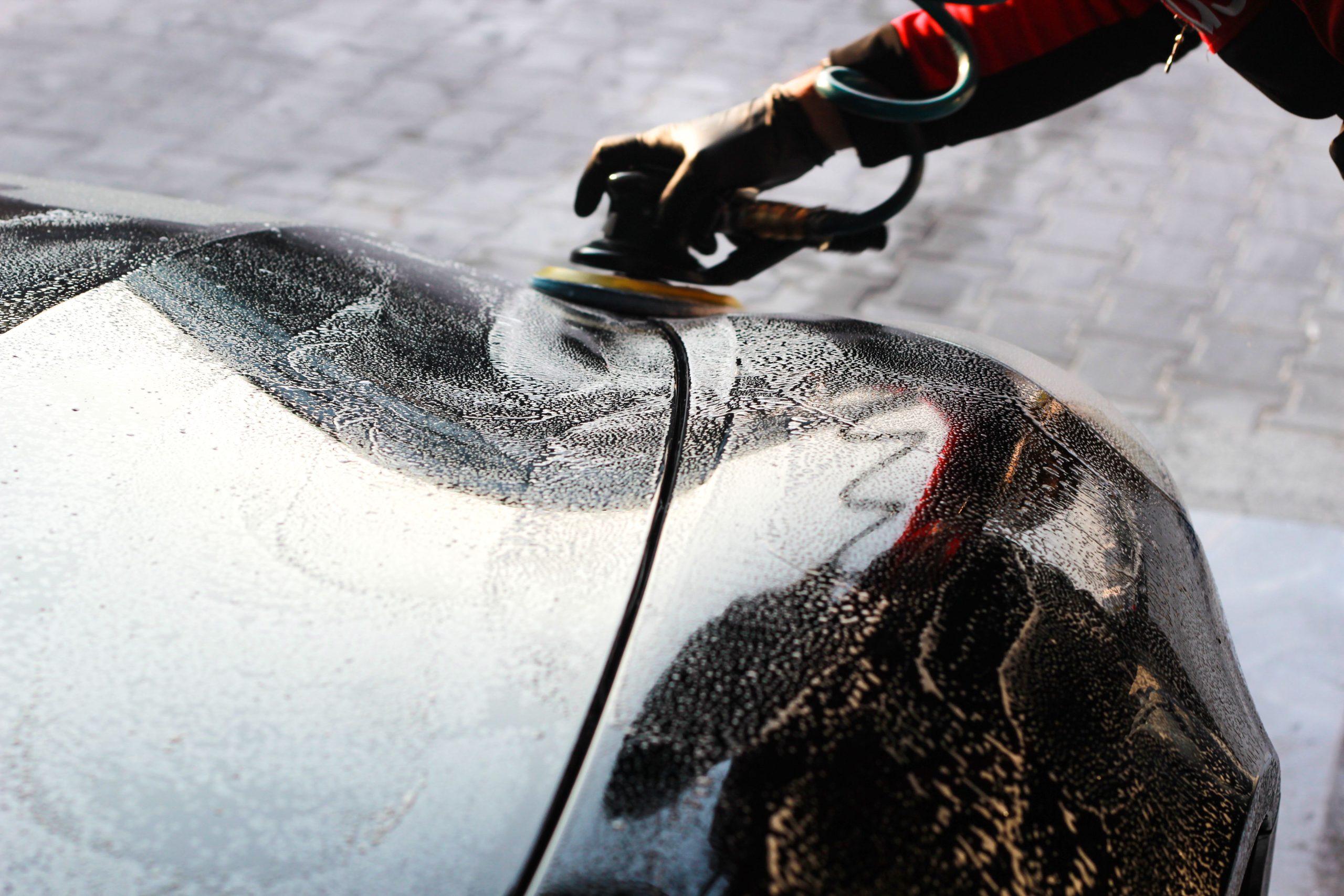
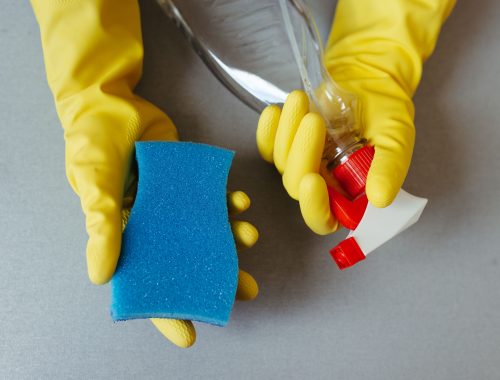
Start by vacuuming to remove dirt and debris, then use a pH-balanced leather cleaner with a soft microfiber cloth, wiping gently in circular motions (Motorist Assurance Program). Agitate gently with a soft brush for more heavily soiled areas, then remove any residue with a clean, damp cloth. Don’t use household cleaners, ammonia, or bleach on leather — these cause irreversible damage, stripping the leather’s natural oils and finish in ways that no amount of subsequent conditioning can fully reverse.
If you’re cleaning both fabric and leather surfaces in the same vehicle, our guide on cleaning car seats (fabric and leather) covers the broader process across both material types; this guide goes deeper specifically on leather’s conditioning and protection needs.
Conditioning: The Step That Prevents Cracking
Apply a leather conditioner every 3-6 months to maintain suppleness and prevent cracking — leather absorbs conditioner significantly better when applied slightly damp after cleaning rather than bone dry (The Seat Shop). Give the conditioner 10-15 minutes to absorb, then buff off any excess with a clean towel. This timing detail — conditioning while still damp — is easy to overlook but meaningfully improves how well the product actually penetrates and works, rather than just sitting on the surface of already-dry leather.
Why UV Exposure Is the Real Long-Term Enemy
Direct sunlight reaching the seats through the windows raises interior temperature and exposes leather to UV rays, which speeds up oil evaporation and weakens the leather’s protective finish — causing fading, dryness, and early signs of surface breakdown (Fresh Layer). This is the underlying mechanism behind most cracking that owners eventually notice: it’s not a sudden failure, but a gradual, cumulative process of UV-driven moisture loss that conditioning alone can’t fully offset if sun exposure remains unmanaged.
Protect leather from UV damage using quality protectant products that include UV blockers, and combine that with practical measures — parking in shaded areas, using a windshield sunshade, and considering UV-blocking window tint. During summer specifically, using a UV protectant helps prevent discoloration during the season when sun exposure is most intense. If window tint is part of your protection strategy, our guide on removing window tint covers the reverse process should you ever need to replace or remove existing tint.
Frequently Asked Questions
How do I know if my seats are real leather or a synthetic alternative?
Check your vehicle’s specifications or interior trim tags — genuine leather typically has a natural, slightly irregular grain pattern, while synthetic leather often shows a more uniform, repetitive texture, and each requires somewhat different care products.
Can cracked leather be repaired, or does it need replacement?
Minor surface cracking can often be improved with dedicated leather repair products and intensive conditioning, but deep, structural cracking generally requires professional leather repair or reupholstering to fully address.
Is it worth conditioning leather that already looks fine?
Yes — conditioning is preventive maintenance, not just a fix for visible problems, and waiting until leather already shows dryness or cracking means addressing damage that’s already occurred rather than preventing it in the first place.
Does leather care differ between light and dark colored seats?
The cleaning and conditioning process is similar, but UV damage and fading tend to be more visually obvious on darker leather, while lighter leather shows staining more readily — both benefit equally from consistent UV protection regardless of color.
The Bottom Line
Leather car seats need a specific care rhythm: gentle pH-balanced cleaning, conditioning every 3-6 months while the leather is still slightly damp, and consistent UV protection to slow the sun-driven oil evaporation that ultimately causes cracking. Skipping conditioning or ignoring UV exposure are the two most common reasons leather that started in great condition ends up dry and cracked years earlier than it should.
Dealing with damaged, cracked, or torn leather seats? Contact San Diego Bumper and Collision for an assessment.