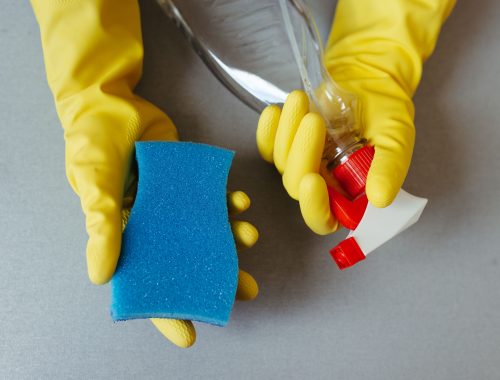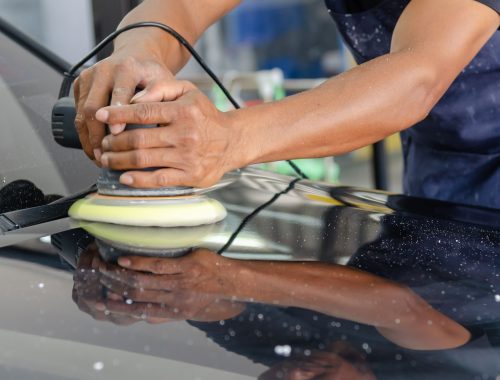

Remove bad odors from your car’s interior by first finding where the smell actually lives rather than guessing — a spill, a clogged AC evaporator drain, smoke residue, or a forgotten item each needs a different fix, so locating the source before treating it matters more than any single cleaning product. Once identified, general techniques like baking soda, activated charcoal, or coffee grounds pull odors out of the air and fabric, while airing out the cabin and treating the HVAC system address odors that keep circulating rather than staying put.
Here’s how to systematically diagnose an odor’s actual source, the general techniques that work across most odor types, and where to go for specific odor problems that need a more targeted fix.
Key Takeaways
- Locate the smell’s source before treating it — a spill, clogged AC drain, smoke, or pet residue each needs a different specific fix.
- Most bad smells come from organic sources in soft surfaces — carpet and upholstery — or hidden mildew in air vents.
- Baking soda, activated charcoal, and coffee grounds absorb odor from the air and fabric rather than just masking it.
- A musty cabin air filter or wet AC evaporator causes a smell that returns every time the HVAC runs, regardless of how much you clean the cabin itself.
Step 1: Diagnose the Actual Source
The trick is to stop guessing and find where the odor actually lives, then match the fix to that source — a spill, a clogged AC evaporator drain, smoke, or a pet each needs a genuinely different fix (Chemical Guys). Look in seat crevices, side pockets, under seats, and the trunk for lost food, forgotten items, or anything that might have spilled — small leftovers can spark surprisingly large smells. Most bad smells inside a car come from organic sources within soft surfaces, particularly carpeting and upholstery, though they can also come from hidden sources like mildew in the air vents that isn’t visible during a normal inspection.
General Odor-Removal Techniques
Baking soda, activated charcoal, and white vinegar pull odors out of the air instead of just covering them up (Oh So Spotless). Sprinkle baking soda on carpets or upholstery, let it sit for a few hours, then vacuum to lift odors while absorbing leftover moisture at the same time. A vinegar-and-water mist with a few drops of essential oil is another option — the vinegar smell itself vanishes quickly, taking the underlying odor with it. Placing an open container of dry coffee grounds in the car overnight is a simple, low-cost method that absorbs unpleasant odors, leaving behind a subtle coffee scent rather than the original problem.
Addressing HVAC-Sourced Odors
If the odor cycles noticeably with the fan or AC system, that points specifically toward a musty cabin air filter or a wet AC evaporator rather than a fabric or carpet problem. Replace a musty cabin air filter, and run the fan with the AC off before you park to help dry the evaporator, preventing the damp environment that breeds the mold and mildew responsible for this specific type of recurring smell (AutoZone).
When You Need a More Specific Guide
General techniques handle a lot of cases, but some odor sources genuinely benefit from a more targeted approach. If the smell is specifically gasoline, our guide on getting gas smell out of your car covers the safety considerations and specific removal steps that apply to fuel odor. If it’s smoke residue, our guide on getting smoke smell out of a car covers the deep-clean and cabin air filter process specific to that stubborn odor type. And if you’ve identified visible mold or a persistent musty smell tied to moisture, our guide on getting rid of mold in your car’s interior covers the moisture-source-first approach that mold specifically requires.
Frequently Asked Questions
How long should I try general techniques before assuming it needs a specialist fix?
If baking soda, ventilation, and a thorough interior cleaning haven’t meaningfully improved the smell within a few days of consistent treatment, it’s a sign the odor source needs more targeted diagnosis rather than continuing general methods indefinitely.
Can professional ozone treatment resolve odors that home methods can’t?
Yes, often — ozonating the interior, along with shampooing carpet and treating HVAC ducts professionally, addresses odor sources embedded more deeply than surface-level home treatments can reach.
Does air freshener actually solve the problem or just mask it?
It masks it — relying on air freshener alone without addressing the underlying source means the actual odor-causing material or moisture remains present, likely to become noticeable again once the fragrance fades.
Is a persistent bad smell ever a sign of a mechanical problem rather than just cleanliness?
Yes — certain smells, like a strong gas odor or a sweet, syrupy smell, can indicate an actual fluid leak or mechanical issue rather than a cleaning problem, which is why identifying the source matters even beyond just resolving the smell itself.
The Bottom Line
Removing bad odors from a car interior starts with genuinely locating the source — a spill, HVAC issue, smoke, or organic buildup — rather than reaching for a generic fix first. General techniques like baking soda, activated charcoal, and proper HVAC maintenance handle a wide range of cases, while specific odor types like gas, smoke, or mold benefit from a more targeted approach matched to that particular source.
Dealing with a persistent odor you can’t identify or resolve yourself? Contact San Diego Bumper and Collision for a professional assessment.