
Get smoke smell out of a car by removing everything loose from the interior, vacuuming and deep-cleaning every fabric surface, treating carpet and upholstery with baking soda overnight, and replacing the cabin air filter — since a smoke-saturated filter keeps reintroducing the odor every time the HVAC system runs no matter how clean the rest of the interior gets. For smell that’s deeply embedded, professional ozone treatment is usually the last step that finishes the job.
Here’s the full removal process from DIY basics to professional treatment, and what it costs at each level.
Key Takeaways
- Deep-clean fabric first — smoke odor clings to carpet, upholstery, and headliner fabric more than any hard surface.
- Replace the cabin air filter, or the HVAC system will keep recirculating trapped smoke odor indefinitely.
- Baking soda left overnight is genuinely effective as a natural odor absorbent, not just a placebo step.
- Professional ozone treatment runs $80-$150 and works at the molecular level for odor that DIY methods can’t fully remove.
Start With a Full Interior Clean-Out
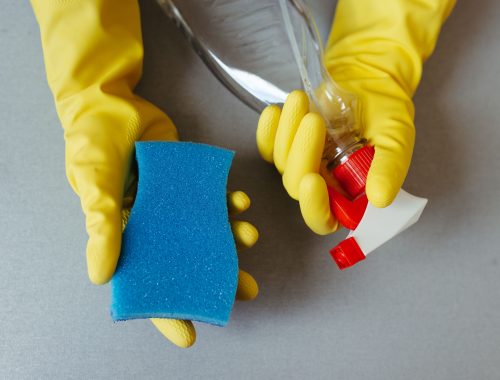
Remove everything loose from the car first — items in door pockets, under the seats, the glove box, and the trunk can all be holding onto trapped smoke odor even after the visible interior looks clean. Pull the floor mats and any removable seat covers out and clean them separately with soap and water (Chemical Guys).
Then vacuum every fabric surface thoroughly — floor mats, carpet, upholstery, and headliner all absorb smoke odor, not just the seats. For odor that’s genuinely worked its way in, renting a carpet cleaner and running the hand attachment over the interior fabric gets meaningfully deeper than a standard vacuum alone (Capital One).

Baking Soda: The Free Step That Actually Works
Sprinkle baking soda generously on the carpet and upholstery, let it sit for at least 15-20 minutes — overnight is better for stubborn odor — then vacuum it up. It’s a genuine natural absorbent, not just a folk remedy, and leaving an open box on the dash between deep cleanings helps keep new odor from building back up (Chemical Guys).
Dryer sheets wiped across seats, carpet, and seatbelts work as a similar low-cost odor absorber, and a small bowl of coffee grounds or activated charcoal left in the car overnight can pull out additional lingering odor between cleanings.
Don’t Skip the Cabin Air Filter
Replacing the cabin air filter is one of the most commonly overlooked steps — a smoke-saturated filter continually reintroduces odor into the interior every time the HVAC system circulates air, no matter how thoroughly the rest of the car has been cleaned. After replacing it, running an odor eliminator machine or spraying a neutralizing treatment into the HVAC intake while the system cycles air helps distribute the treatment throughout the ductwork, not just the visible cabin.
DIY vs. Professional Ozone Treatment
For odor that survives a thorough DIY effort, professional ozone treatment typically runs $80-$150 and takes 30-90 minutes. Ozone generators work at the molecular level, chemically breaking down odor molecules, mold spores, and bacteria rather than just masking them the way an air freshener does (Angi).
Important safety note: ozone treatment is done in a sealed, unoccupied vehicle only. Ozone gas removes oxygen from the air and can irritate the lungs — never run a generator while anyone is inside the car, and ventilate thoroughly before driving it afterward.
Not the Same as a Burning Smell From Under the Hood
Lingering cigarette or smoke odor is a cosmetic problem in the cabin fabric and ventilation system — it’s not the same thing as an actual burning smell coming from the engine bay or from underneath the car, which usually signals a mechanical or electrical issue instead. If what you’re noticing is closer to a burning smell paired with a fluid leak, that’s worth checking against symptoms like those covered in our rack and pinion symptoms guide or our power steering pump guide, both of which can produce a burning smell from overheated fluid.
A burning smell paired with the car actually losing power or stalling is a different situation entirely — see our guide on a car turning off while driving if that’s part of what you’re experiencing, since that points toward an electrical or fuel system fault rather than lingering interior odor.
Frequently Asked Questions
How long does it take to fully remove smoke smell from a car?
A single thorough DIY cleaning plus baking soda treatment can noticeably reduce fresh odor within a day or two. Deeply embedded, long-term smoke odor often takes multiple cleaning sessions plus a cabin air filter change, and sometimes professional ozone treatment, to fully resolve.
Do air fresheners actually remove smoke smell?
No — air fresheners mask odor rather than eliminate it, and relying on them alone without addressing the fabric and HVAC system means the underlying smell is still there, just temporarily covered up.
Can smoke smell affect a car’s resale value?
Yes, noticeably. Smoke odor is one of the more common reasons buyers walk away from an otherwise good used car, and it’s worth fully addressing before selling rather than hoping a quick air freshener pass will be enough.
Is ozone treatment safe for the car’s interior materials?
When done correctly by a professional, yes — it doesn’t damage upholstery, plastic, or electronics. The main safety concern is exposure to people and pets during treatment, not damage to the vehicle itself.
The Bottom Line
Removing smoke smell from a car is a layered process: clean out and deep-clean every fabric surface, treat with baking soda, and replace the cabin air filter so the HVAC system stops reintroducing the odor. For smell that survives all of that, professional ozone treatment at $80-$150 finishes the job at a molecular level rather than just masking it.
Dealing with an odor or smell issue you’re not sure how to tackle? Contact San Diego Bumper and Collision for advice on interior detailing or a diagnostic if it might be mechanical instead.