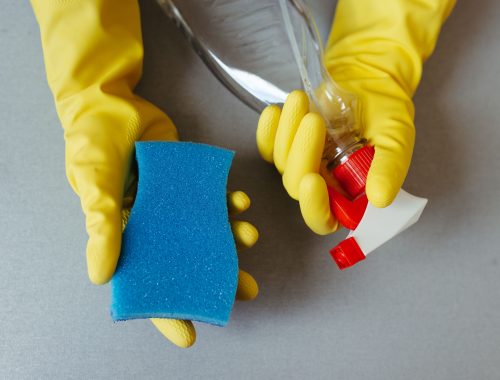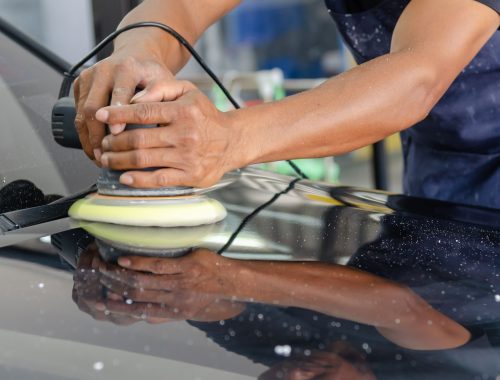

Properly clean car wheels by starting with a full rinse before applying any product to flush away loose dirt and grit that would otherwise scratch the finish during scrubbing. Spray a wheel-specific cleaner over the rim, lug nuts, and spokes, let it dwell for 30-60 seconds to break down brake dust, then scrub gently with a soft-bristle brush — using a long-handled brush to reach the inner barrel — before rinsing thoroughly. Always clean wheels first, before the rest of the car, so brake dust never transfers onto freshly washed paint.
Here’s the full step-by-step process, why wheel temperature and product dwell time matter, and how often this should realistically happen.
Key Takeaways
- Rinse first, always — flushing loose grit before scrubbing prevents that grit from scratching the wheel finish.
- Wheels should be cool to the touch before applying cleaner, since heat can cause product to dry too fast and streak.
- Let cleaner dwell 30-60 seconds before scrubbing to actually break down brake dust rather than just smearing it.
- Clean wheels before the rest of the car — they’re the dirtiest surface, and washing them last risks contaminating clean paint.
The Full Wheel-Cleaning Process
Start by rinsing the wheels with a hose or pressure washer to remove loose dirt and debris, heavily rinsing the wheel well first, then the wheel and tire itself, keeping the pressure washer stream a safe distance away from sensitive surfaces (Chemical Guys). Spray a wheel-specific cleaner onto each wheel, coating the rim, lug nuts, and spokes, then let it sit for 30-60 seconds so the chemical can actually loosen grime and brake dust rather than just sitting on the surface. Use a soft-bristle brush or microfiber mitt to gently scrub, focusing on tough spots where dirt accumulates, and use a long-handled brush to reach into the inner barrel where hidden grime tends to build up unnoticed. Rinse the wheel down again once you’re finished, then move to the next one.
Why Wheel Temperature Matters
Make sure your wheels are cool to the touch before you begin — putting cleaner on hot rims can cause the product to dry too fast, leaving streaks or stains on the metal (Adam’s Polishes). This is a genuinely common mistake after a drive, when brake heat is still radiating off the rims; waiting even 15-20 minutes in the shade before starting avoids the streaking problem entirely.
Wheel Order and Why It Matters

Always clean your wheels before washing the rest of the car, since they’re the dirtiest part of the vehicle and you don’t want to transfer brake dust onto freshly washed paint (Capital One Auto Navigator). If you’re following our broader car washing guide, wheels belong at the very start of that sequence, before the pre-rinse of the body even begins.
Wheel finish also changes the approach somewhat — if your wheels have a black or matte finish specifically, our guide on properly cleaning black wheels covers the product and technique adjustments that finish requires to avoid dulling or damaging the coating. And once your wheels are clean, our guide on protecting your car wheels covers the sealant and coating options that keep them cleaner for longer between washes.
How Often to Clean Wheels
Car owners should clean their wheels at least once every two weeks, or more frequently if they drive in harsh conditions — heavy braking, dirt roads, or road salt all accelerate how quickly brake dust and grime build back up (AutoZone). Waiting longer between cleanings lets brake dust bond more stubbornly to the wheel surface, which can eventually require a stronger cleaner or more aggressive scrubbing to remove.
Frequently Asked Questions
Can I use dish soap instead of a dedicated wheel cleaner?
It’s better to use a wheel-specific cleaner formulated for brake dust and road grime — dish soap can work in a pinch for light dirt but generally won’t break down bonded brake dust as effectively, and some formulations can be harsh on certain wheel coatings.
Is it safe to use a pressure washer directly on the wheels?
Yes for the rinse steps, as long as you keep a safe distance and avoid concentrating the stream directly on sensitive components like wheel bearings or brake calipers at close range.
What’s the best brush for the inner barrel?
A long-handled, angled wheel brush designed specifically to reach into the inner barrel — this area collects some of the heaviest brake dust buildup and is easy to neglect with a standard short-handled brush.
Do all four wheels need the same amount of cleaning attention?
Generally the front wheels accumulate more brake dust than the rear on most vehicles, due to how braking force is distributed, so they may need slightly more scrubbing attention during a typical wash.
The Bottom Line
Properly cleaning car wheels comes down to rinsing first, applying a dedicated cleaner with enough dwell time to work, scrubbing gently including the inner barrel, and rinsing thoroughly — done first, before the rest of the car, and roughly every two weeks under normal driving conditions. Getting the sequence and timing right protects both the wheel finish and the rest of your freshly washed paint.
Want your wheels professionally detailed and protected? Contact San Diego Bumper and Collision for a quote.